

No items found.




1961
Start of work:
16 Dec 2016
Complete Restoration
In Progress
The Maserati 3500 GTi (1963) is an classic Italian grand tourer, renowned for its elegant design and performance. Introduced in the late 1950s and refined through the early 1960s, the 3500 GTi features a sleek, timeless body styled by Carrozzeria Touring and boasts a 3.5-liter race-pedigree straight-six engine with fuel injection, delivering smooth power and refined driving dynamics. It combines top class luxury, craftsmanship, and sporty handling, making it one of Maserati’s most iconic and collectible models of the era and highly sought after by collectors today.
Restoration of these cars is not for faint-hearted, it can be challenging and expensive.
The car has so called Superleggera body construction by Carozzeria Touring in MiIlan and its coachbuilt steel substructure with aluminum outer anels demand precise craftsmanship for proper restoration, skills that only few workshops in Europe really have.
The fuel-injected engine, ZF gearbox, English-origin suspension, English-italian mix of brake parts and complex electrical systems require expert care. Some mechanical components are rare or require custom fabrication. Body panels and parts are non-existent and require extensive restoration.
Interior is made of very premium materials like specially tanned Connolly- leather and Wilton-carpets. Also chrome parts are hard to locate or they are very expensive.
Labor cost is extensive for full restoration as it commonly exceeds 3500 hours or even more, depending of the cars condition. Also parts (if available) can bevery high-priced, so the cost of restoration is often largely exceeding restoration costs of more common classic cars.
In short, the Maserati 3500 GTi is a rewarding but demanding project, best suited for very experienced restorers or collectors willing to invest significant time and resources.
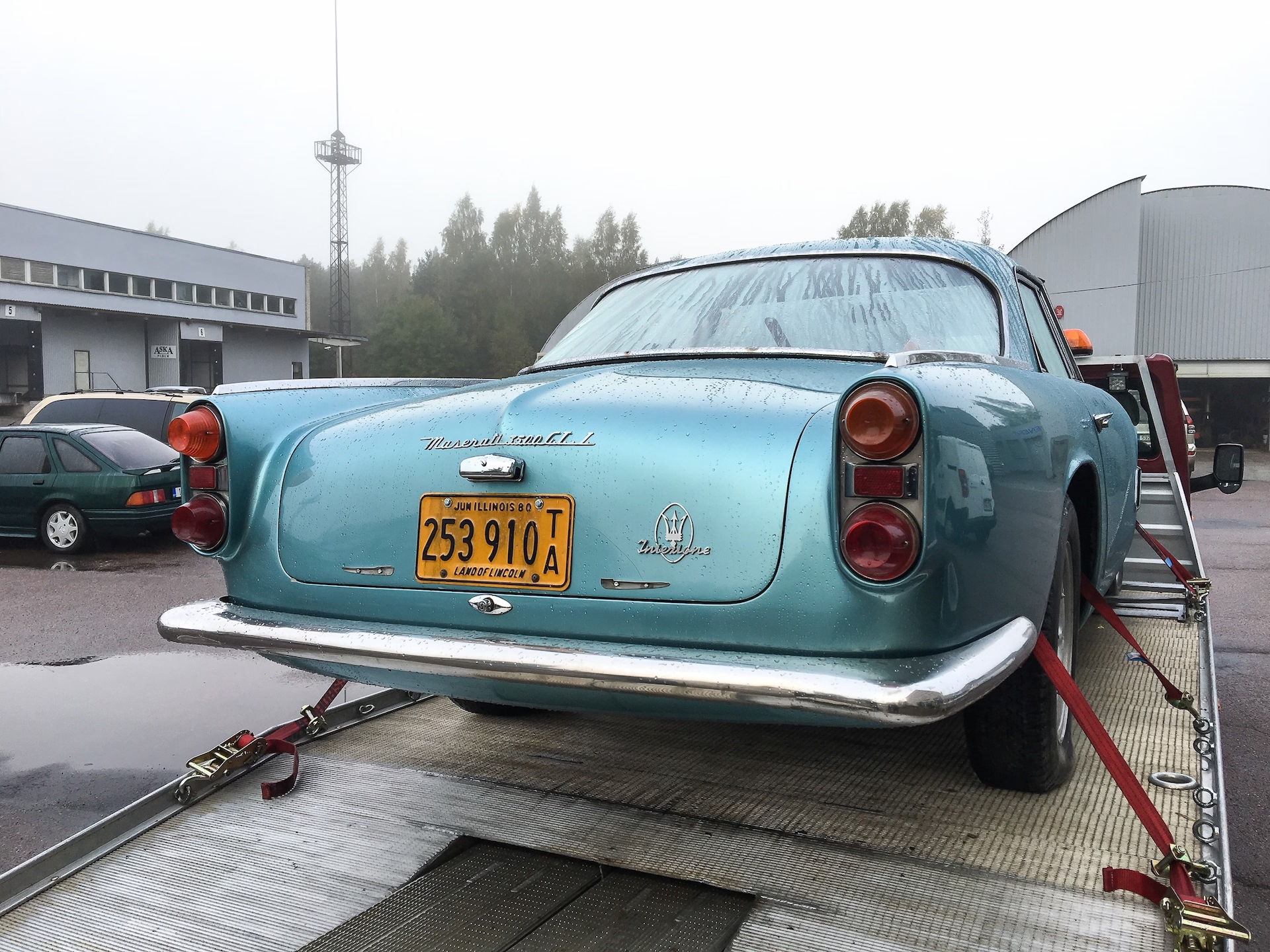
Our car was bought by its current owner online without seeing it in person, which had serious consequences.
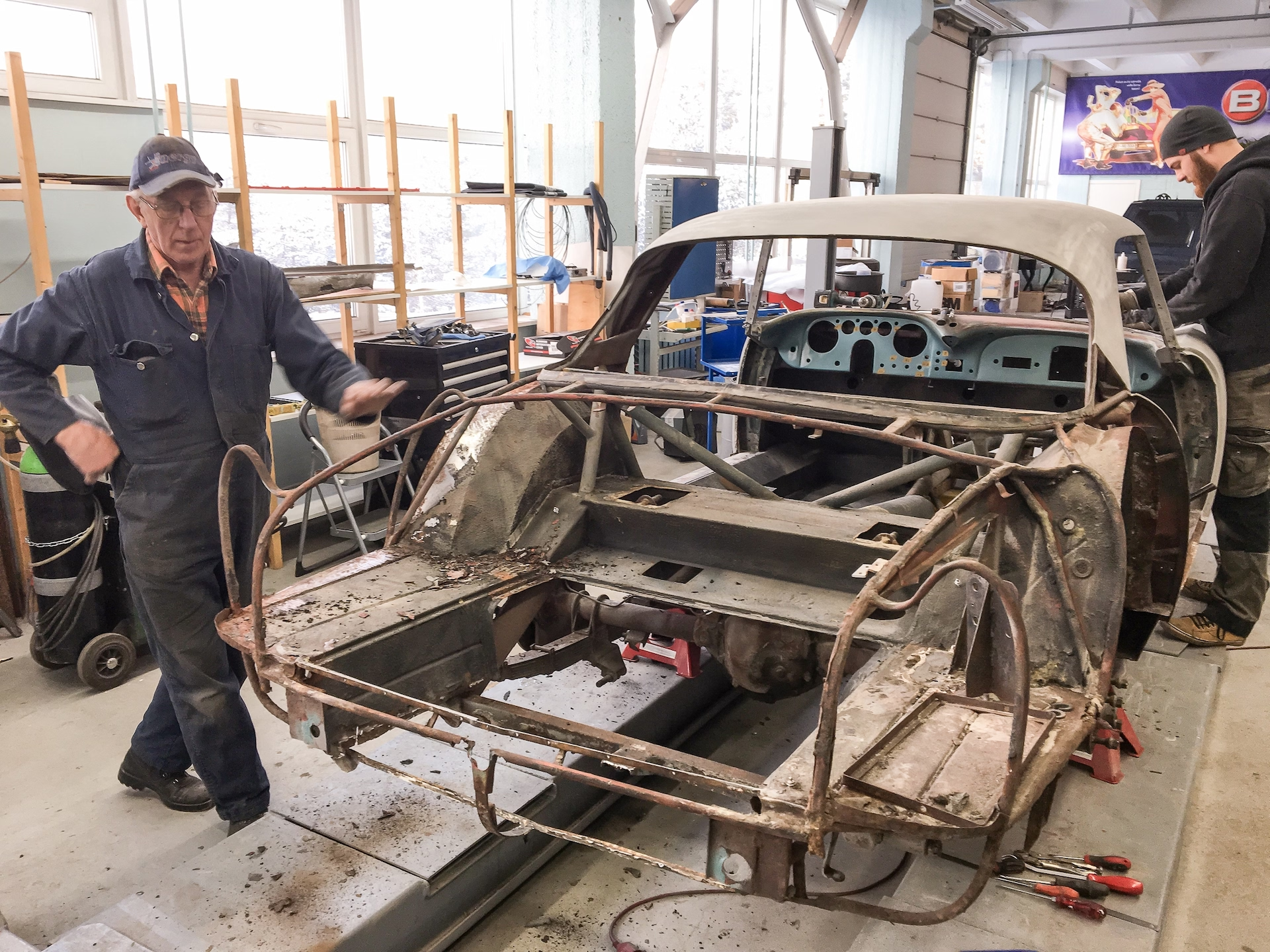
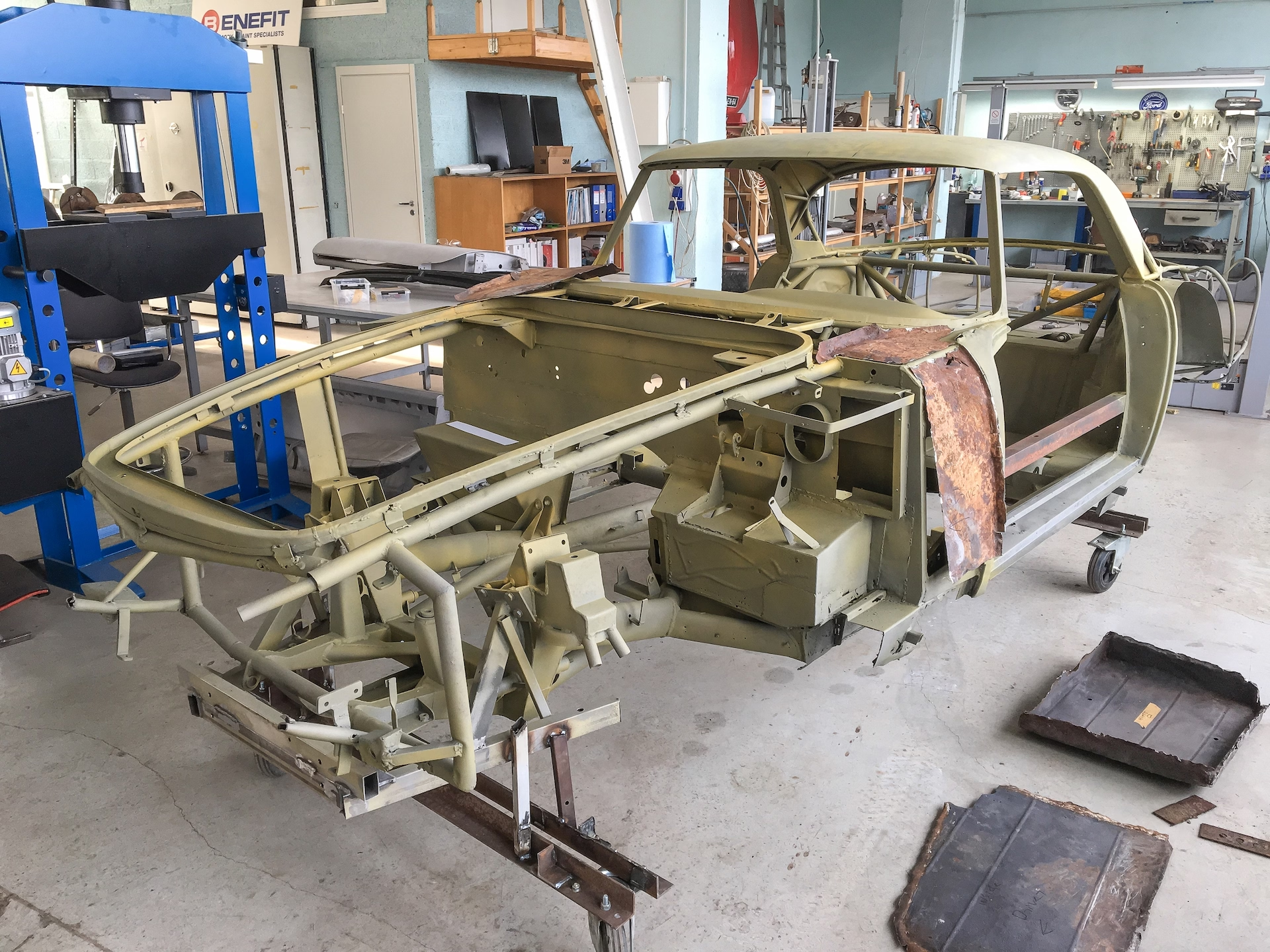
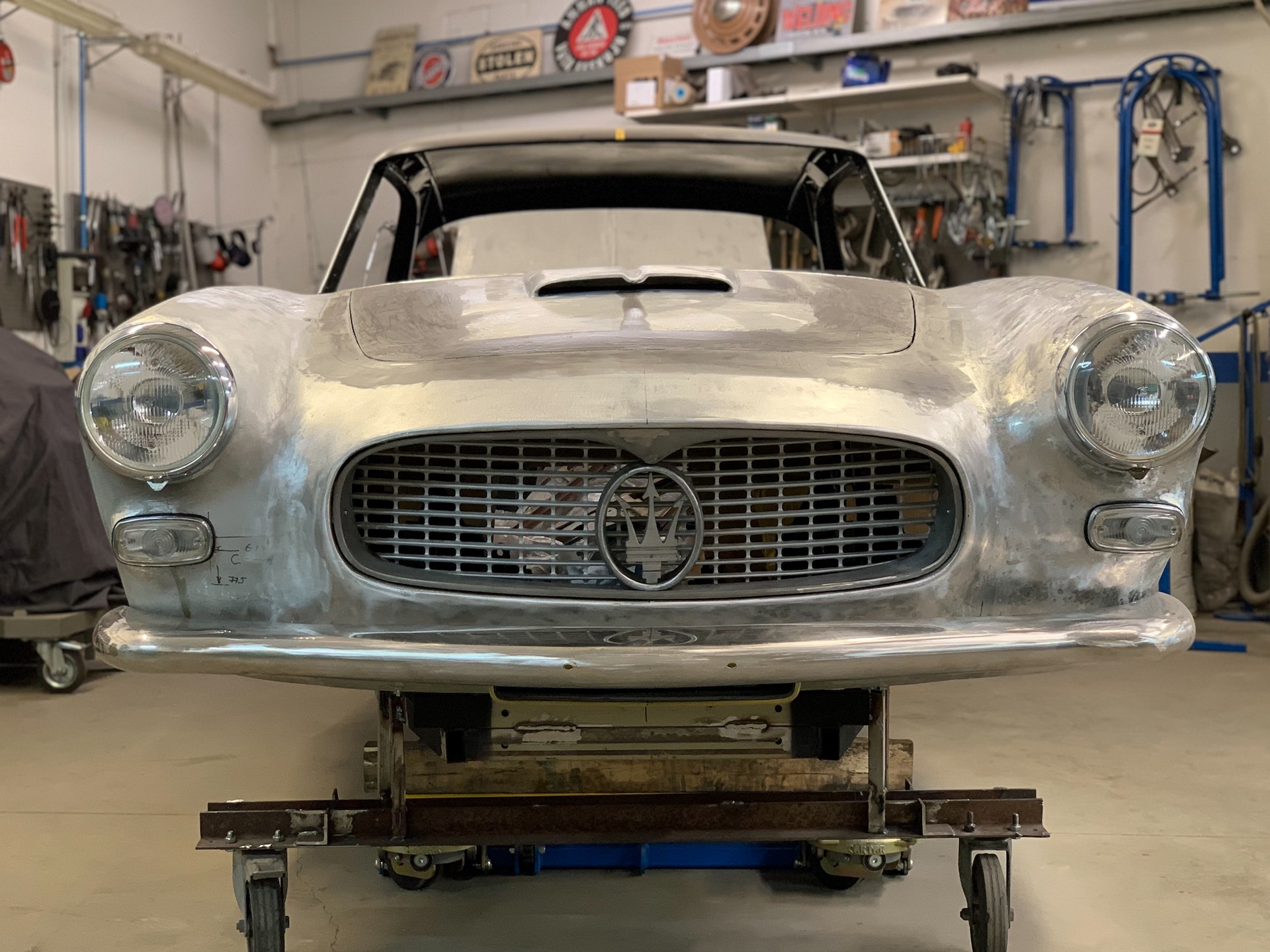
Body was in extremely bad condition with front end warped in an accident and having layers of bad repairs, resulting heavy corrosion. Also, aluminium and steel together caused extensive electrolytic corrosion in the lower body area. Car was also mechanically in sad condition, with seized engine, useless brakes and numerous other issues. What was good is that it was mostly complete - so being a good start for demanding full restoration.
Before starting the work, our experts exemined the car thoroughly and action-plan was created. First – purchase of original spare-parts book and factory repair manual was scheduled, as we always do with new projects.
Next it was time to start dismantling of the car – engine and mechanical parts out, electrical parts out, interior out so that only bare bodyshell remains.
All parts were then sorted by sub-assemblies, photographed, and their condition assessed. Then the parts were packaged systematically into boxes and crates. Today, we use QR codes on crates to locate the parts afterwards.
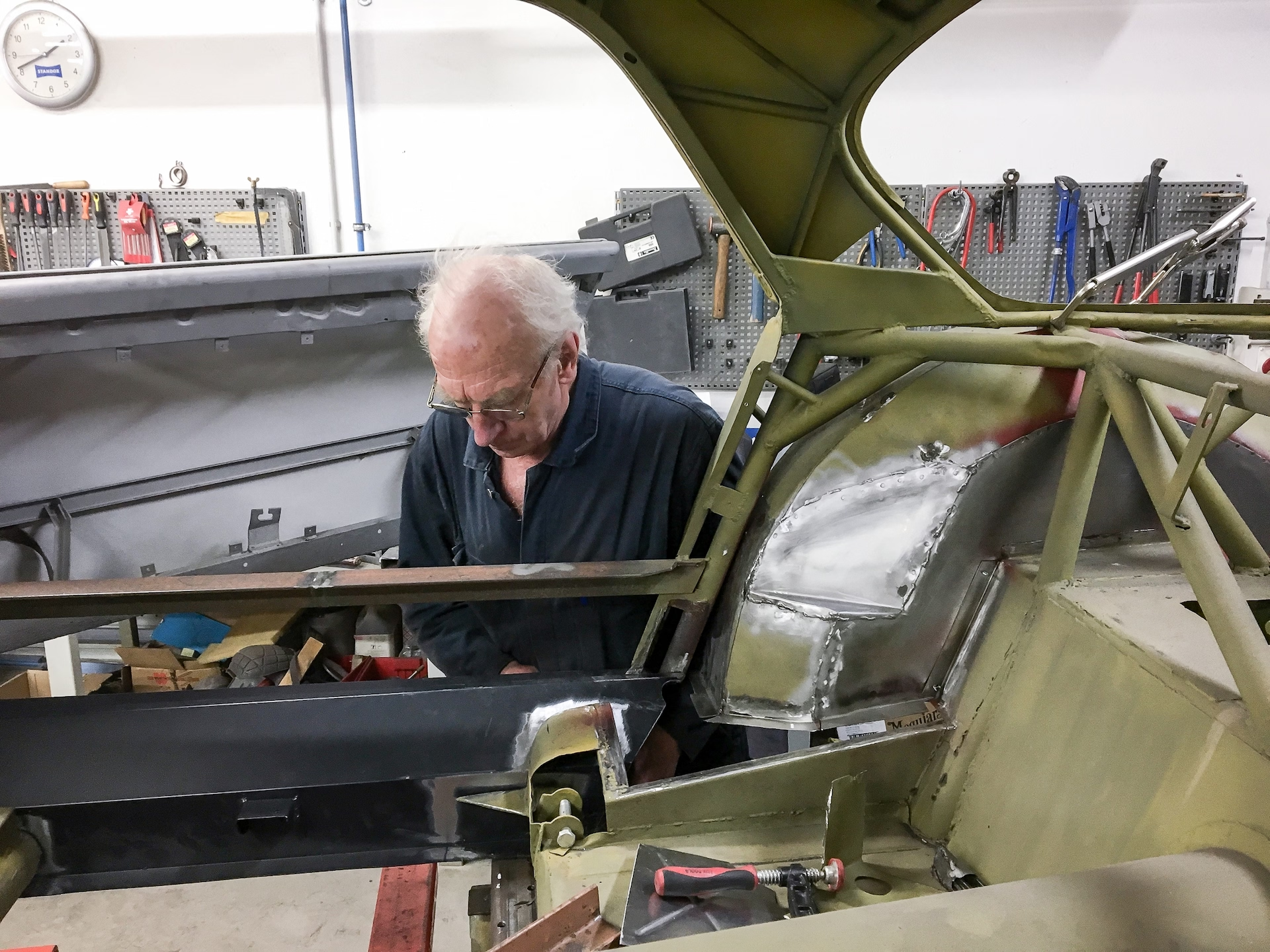
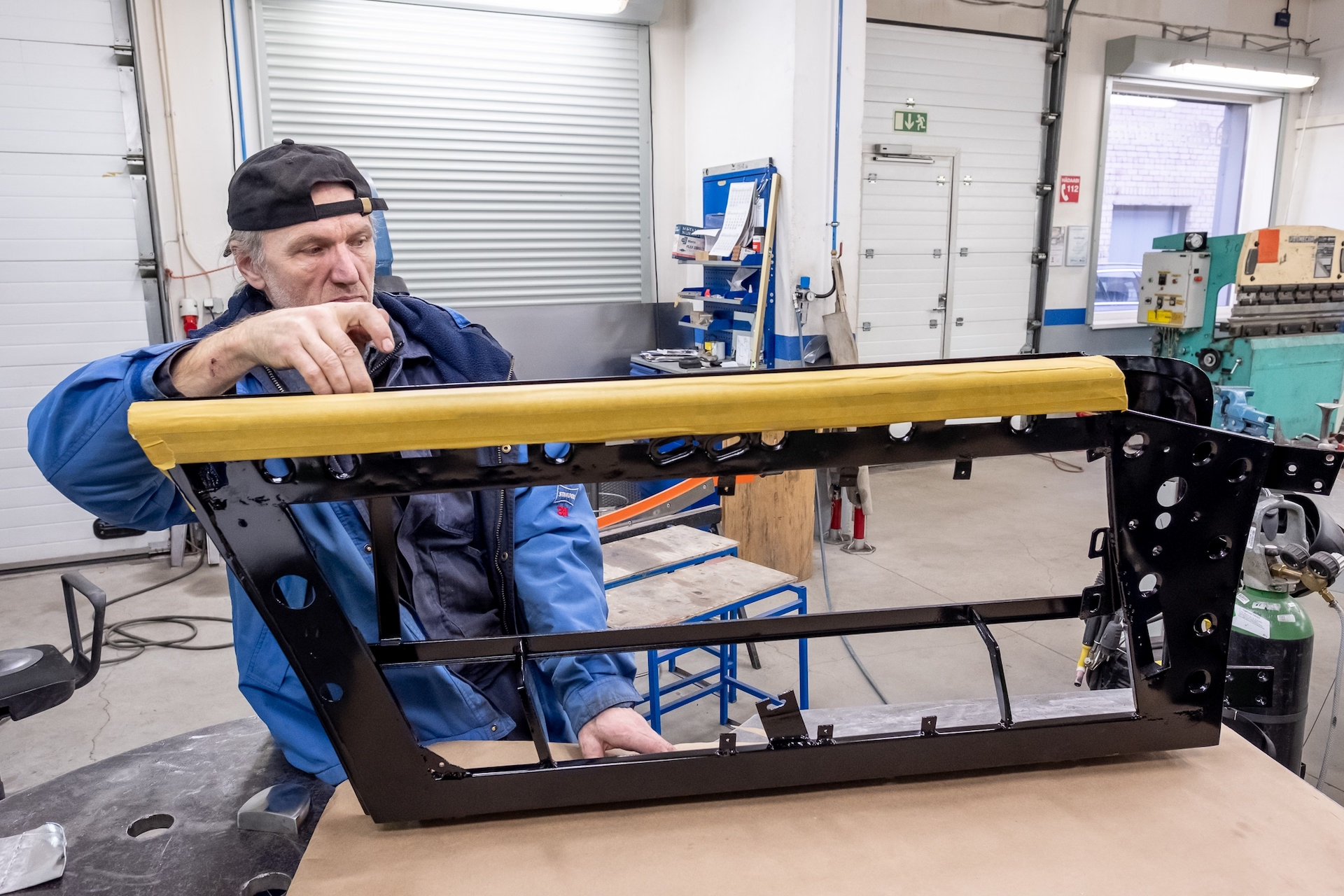
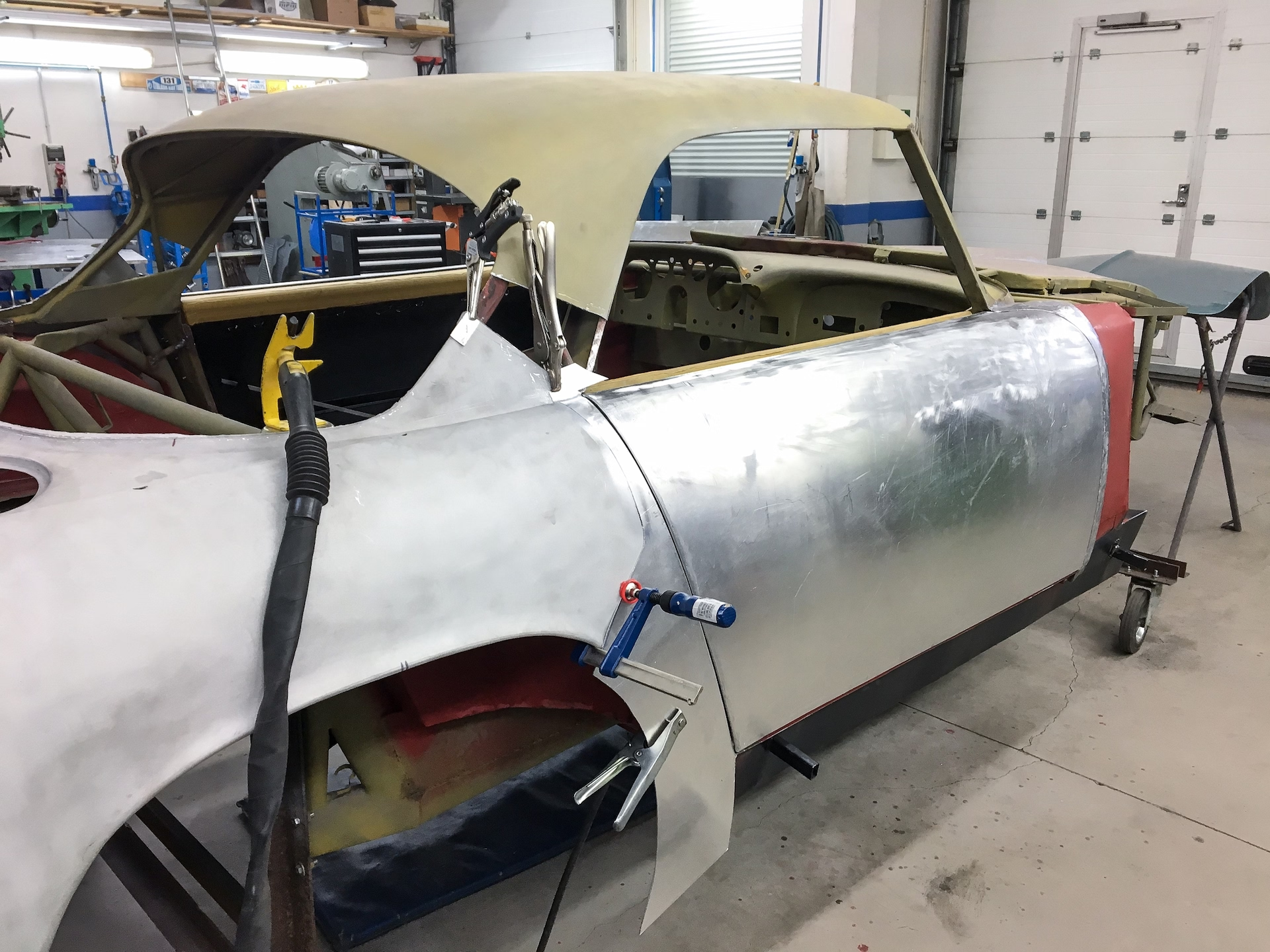
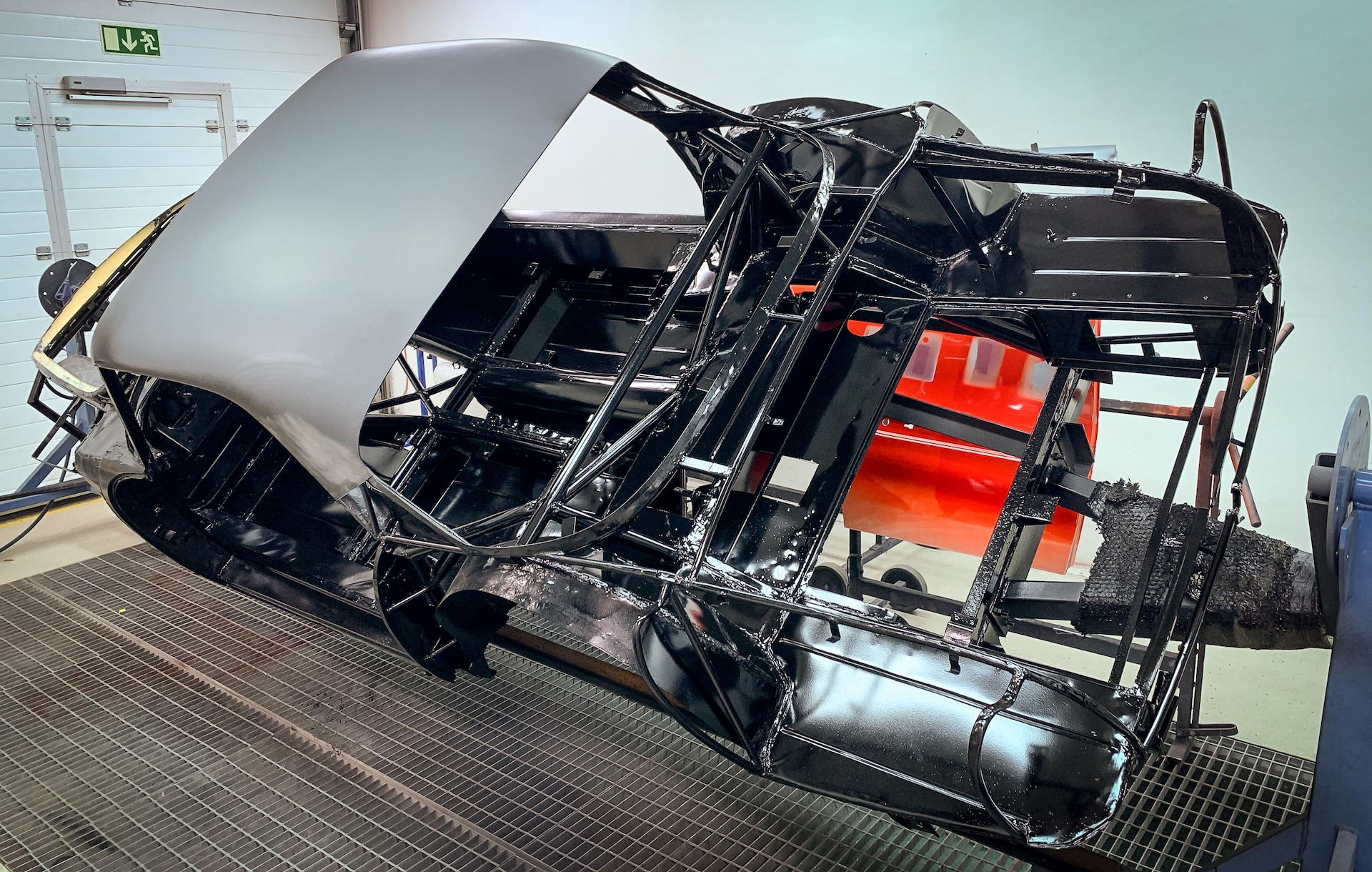
Next the body geometry was checked by Car-O-Liner electronic measurement system. Searching correct techique to start with body repair, we decided to remove front end and rear end clips as entire parts, leaving only roof panel intact. That proved to be a correct approach. Removal on major body parts revealed extensive corrosion on all steel parts so we had to fabricate all new inner and outer sills, new Superleggera tubing in lower parts, entire new front end steel construction and new floor panels. Also new inner wheelwells to the rear were needed, as well as new trunk inner panels. Our extensive experience and skills with structural repairs allowed us to restore the steel inner structures and panels without any major issues.
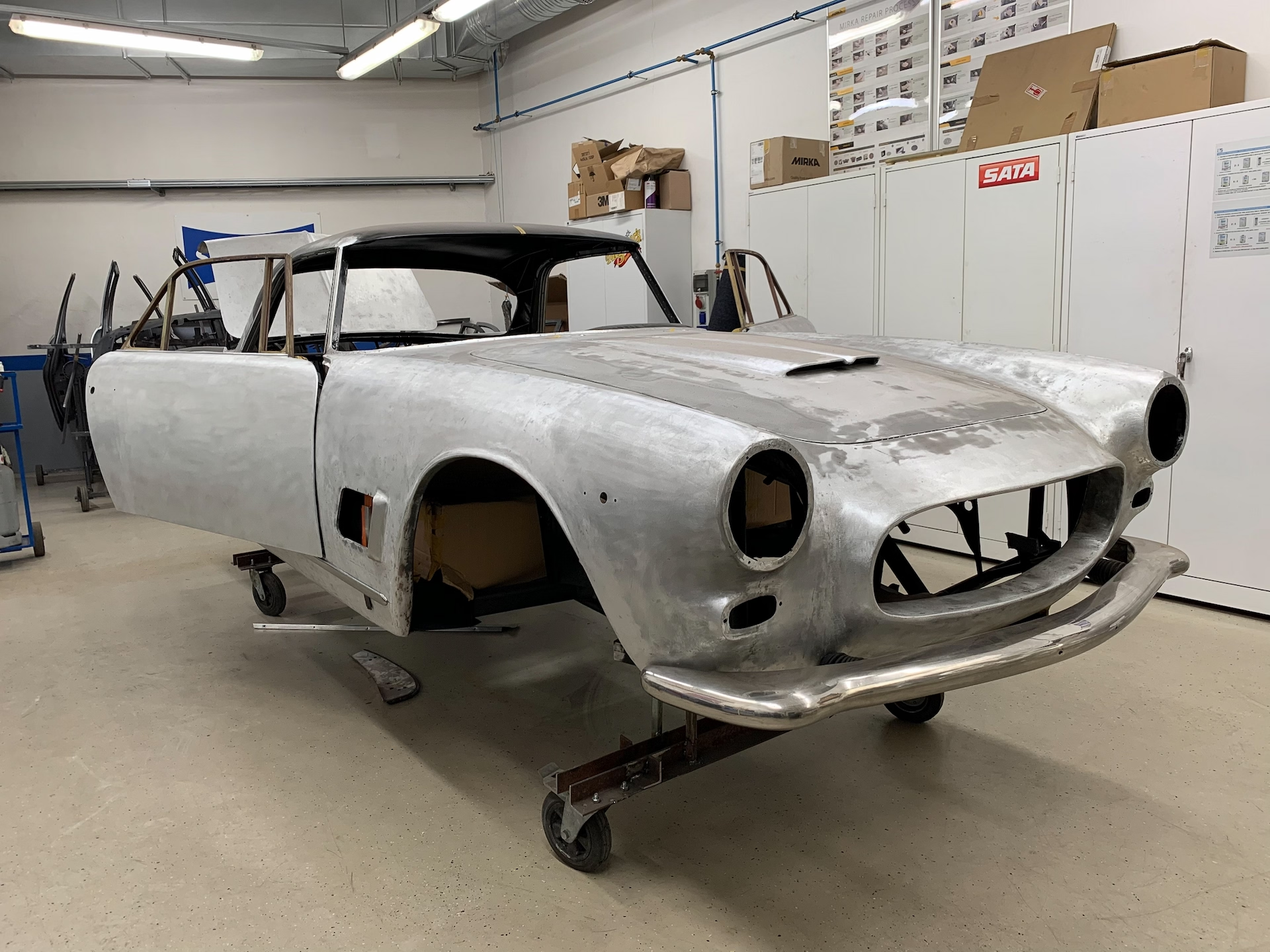
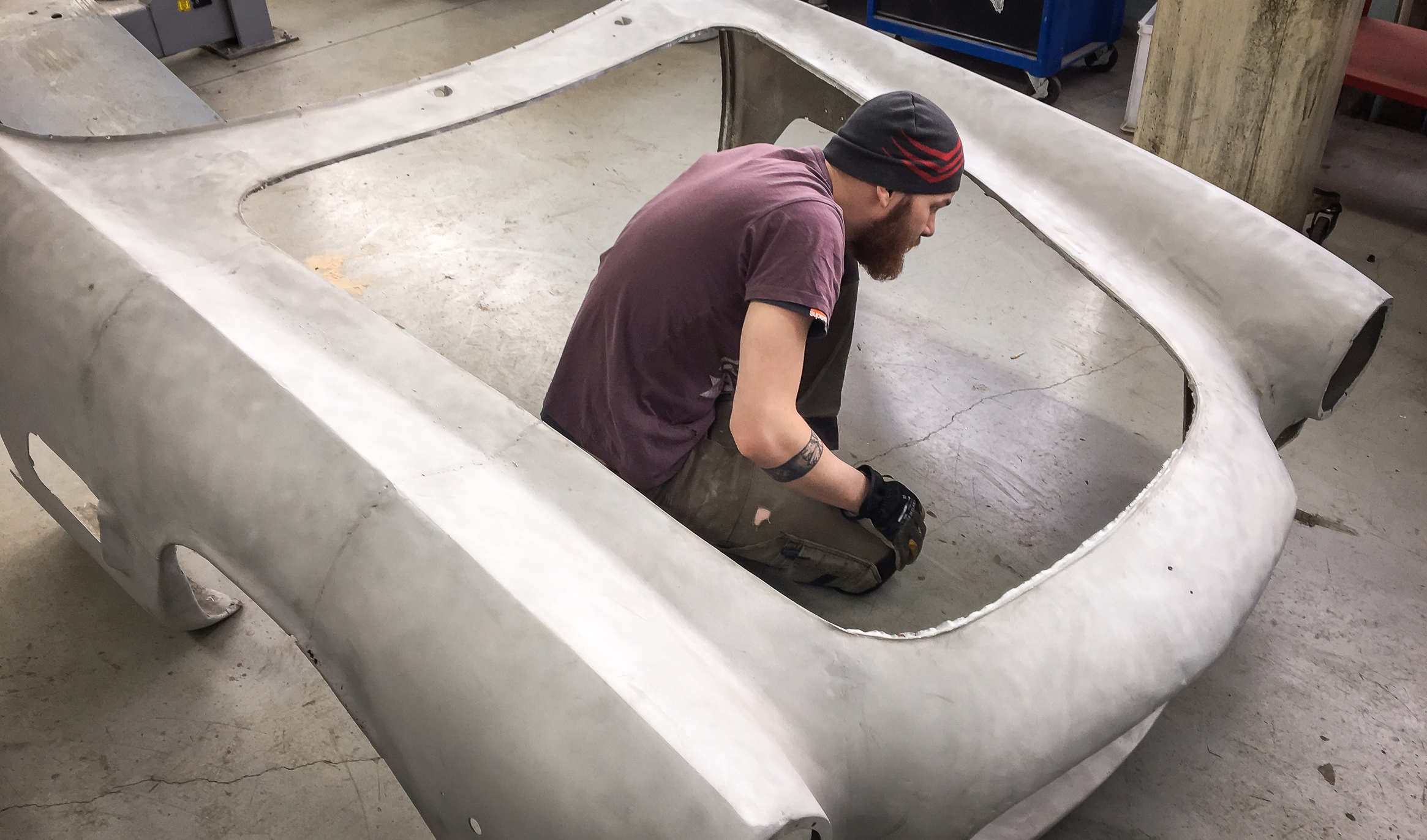
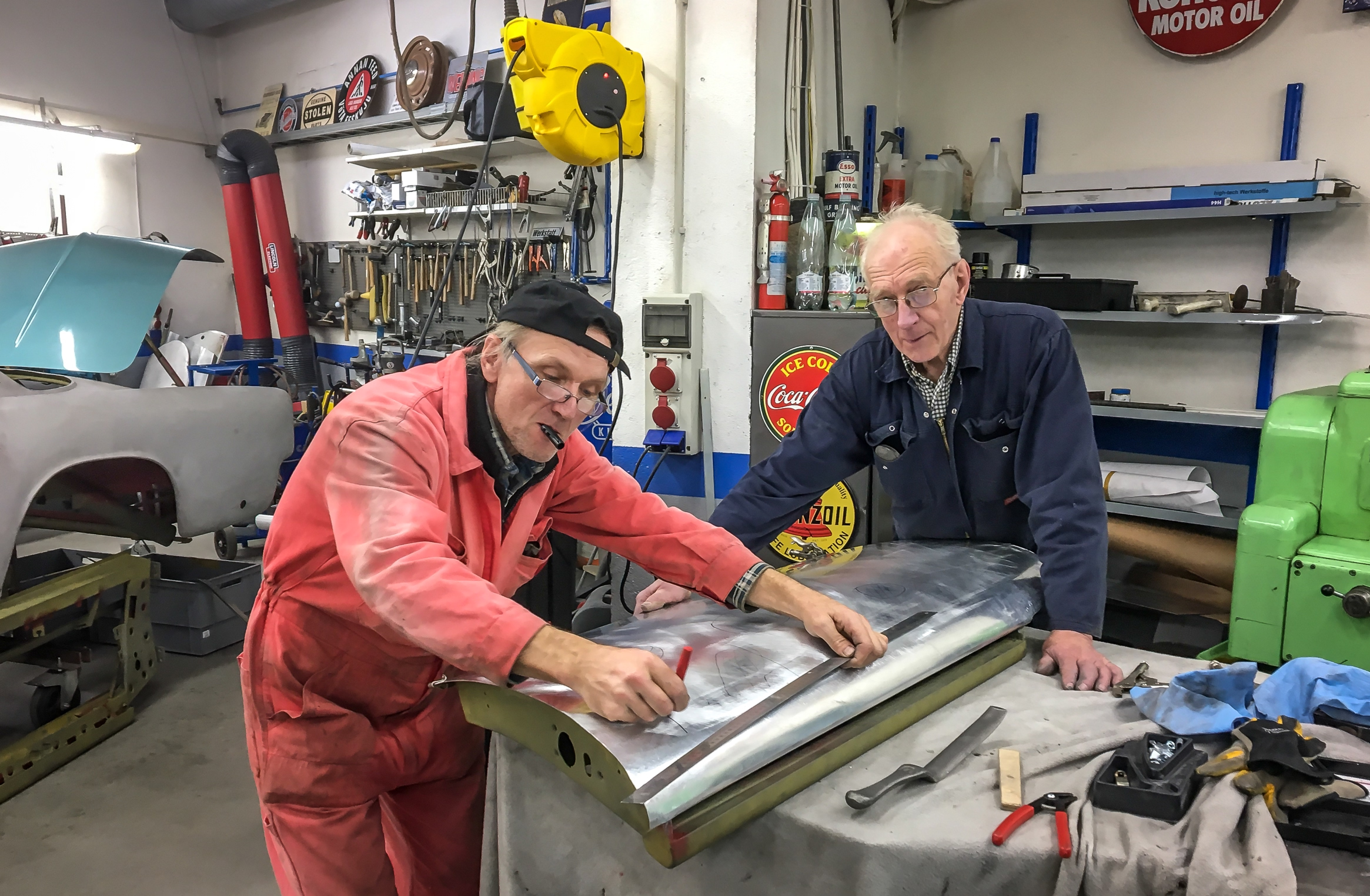
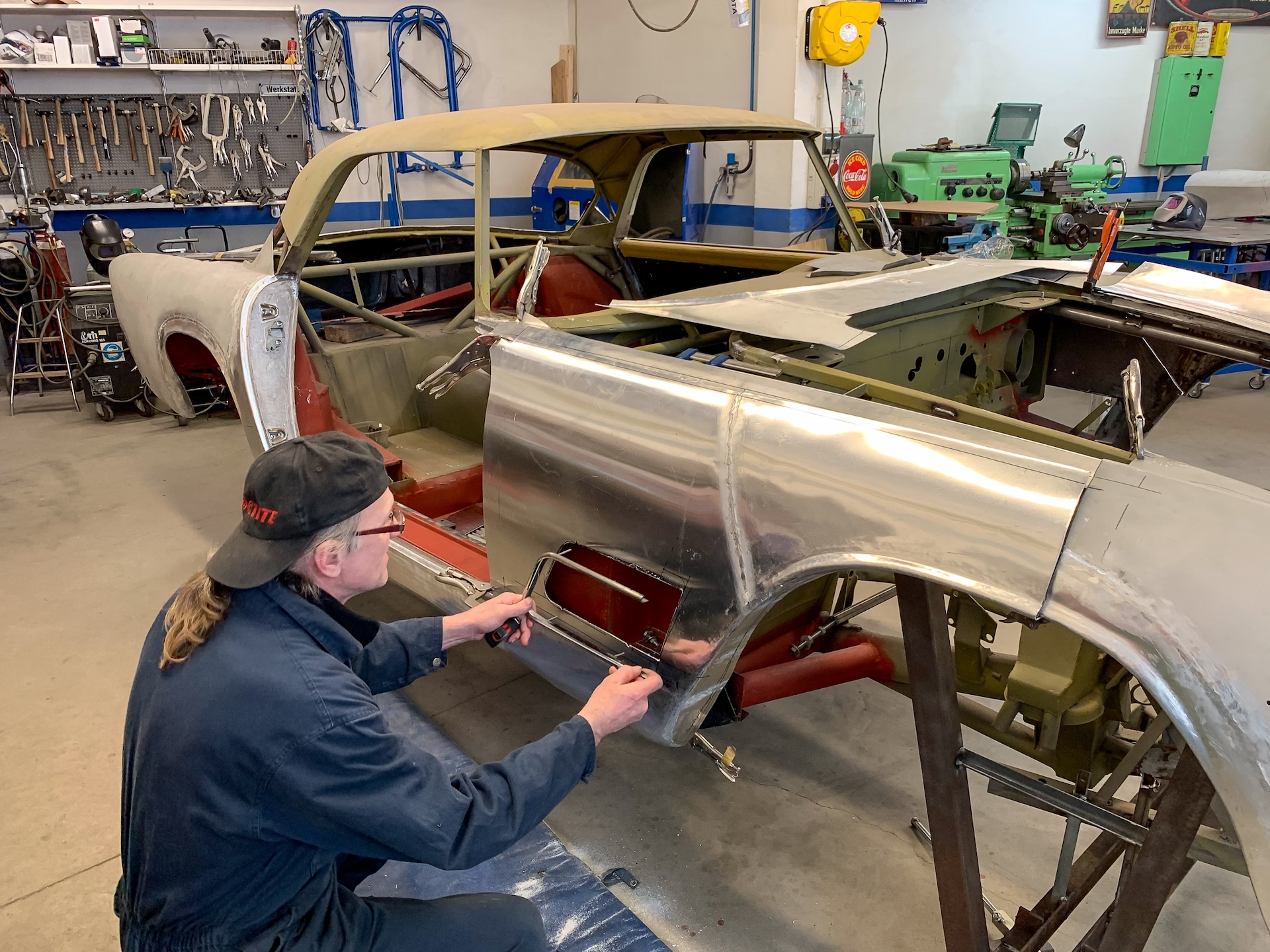
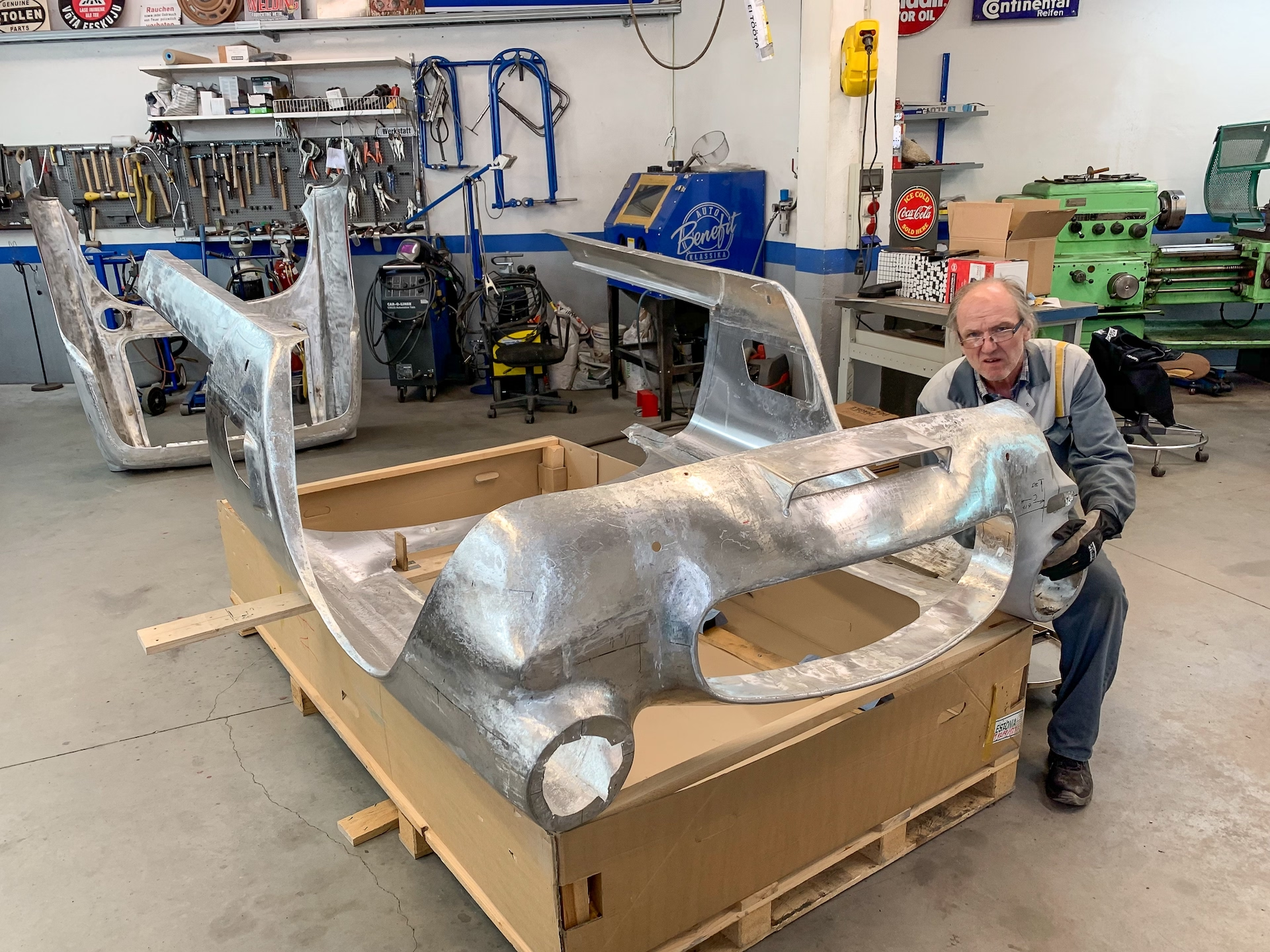
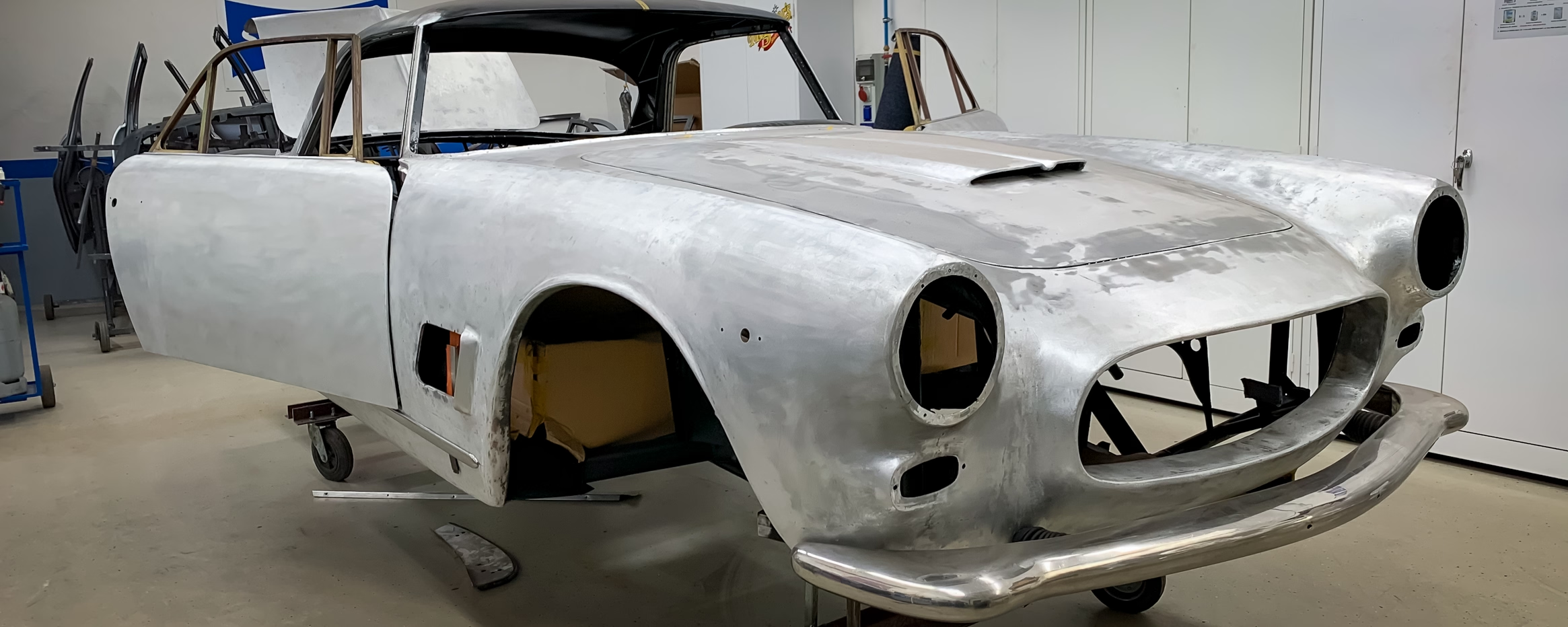
Repairing the aluminum exterior panels proved to be a much greater challenge. Due to accident damage, poorly executed previous repairs, and electrolytic corrosion, we had to fabricate an entirely new front end, door panels, outer sills, and a large portion of the rear fenders, using a combination of traditional techniques and modern technology.
Next, steel substructure, floorpan and aluminum assemblies were cleaned, primed and painted from the inside, after that aluminum panels were carefully reinstalled onto the car’s structure, avoiding direct contact between steel and aluminum. Installation and alignment of the doors, bonnet and decklid followed. After all major parts aligned, we assembled all body parts, glass, and trim pieces before painting, after which the entire body was disassembled again for final painting.
While the car body is in the painting process, we work on restoring the front and rear axles, brake system parts, steering system parts, cooling and heating system parts, as well as electrical components, and we source the missing parts. While suspension and brake system parts, as well as rubber seals, are relatively easy to obtain, it proved very difficult to find replacements for missing or badly damaged trim pieces and lights. We sourced a large portion from the Bologna fair in Italy and brought them back in our suitcase. Often, sellers don’t even have an email address, let alone a website, so the most important thing is to communicate with people face to face.
We will keep you updated on the progress of the work and provide the latest information once the car body has been painted!