No items found.




1951
Start of work:
19 May 2011
Partial Restoration
Finished
Who doesn't know the Volkswagen Beetle? The Beetle, officially designated the Volkswagen Type 1, was an economical small car produced by the German automaker Volkswagen from 1938 to 2003. With over 21 million examples produced in total, this air-cooled, rear-wheel-drive car was the longest-produced and highest-quantity manufactured single automobile model in the world. And it remains so today.
The Beetle was designed by Ferdinand Porsche in the early 1930s, initially commissioned by Zündapp.
In 1933, Adolf Hitler personally ordered the design and production of a “Car for Every German Citizen.” This is where the Beetle's story began.
Mass production was interrupted by the war, but it resumed with new vigor after the war and only ended in 2003 in Brazil. Over these long years, many changes were made, but the car's basic concept always remained the same.
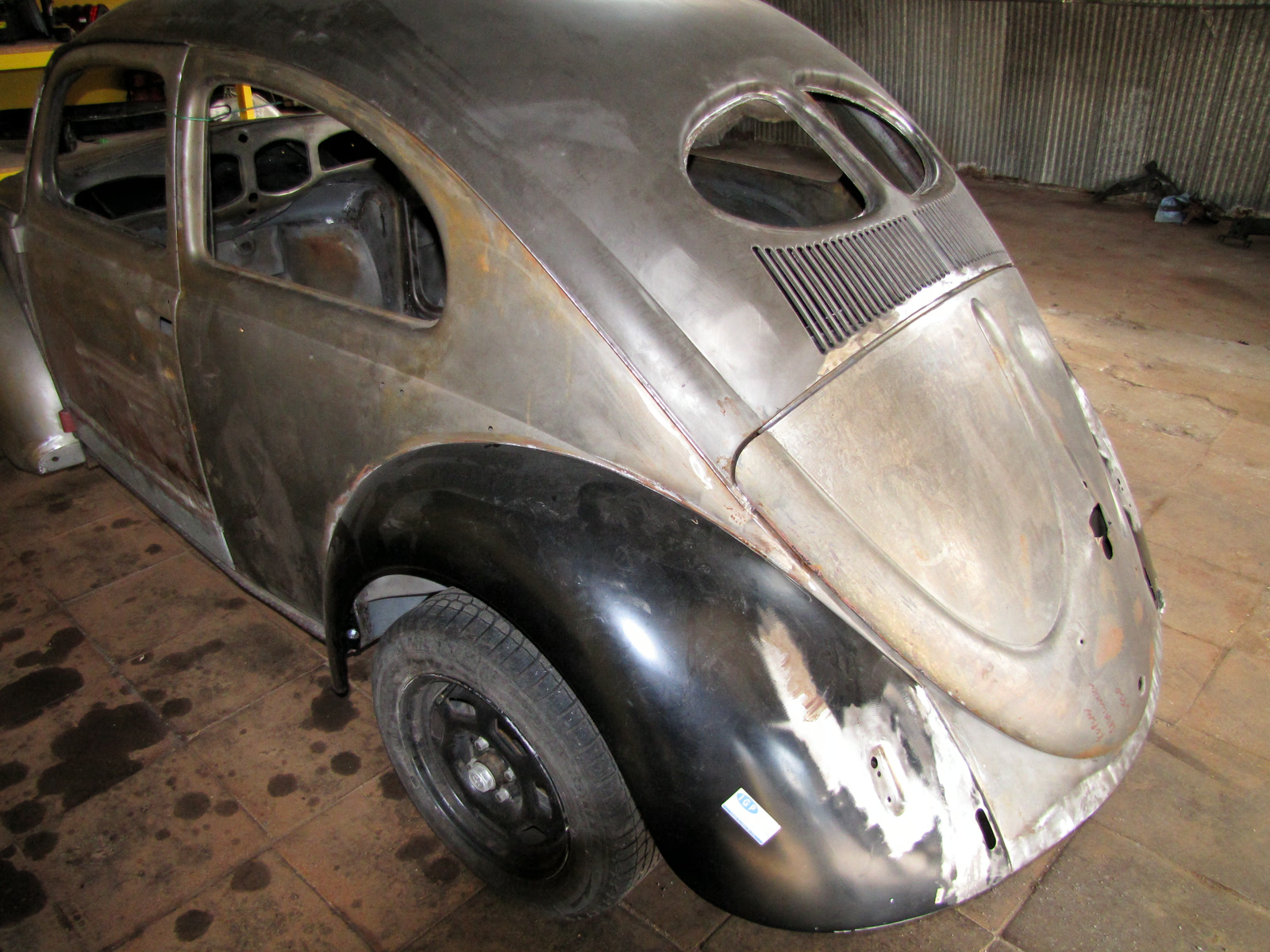
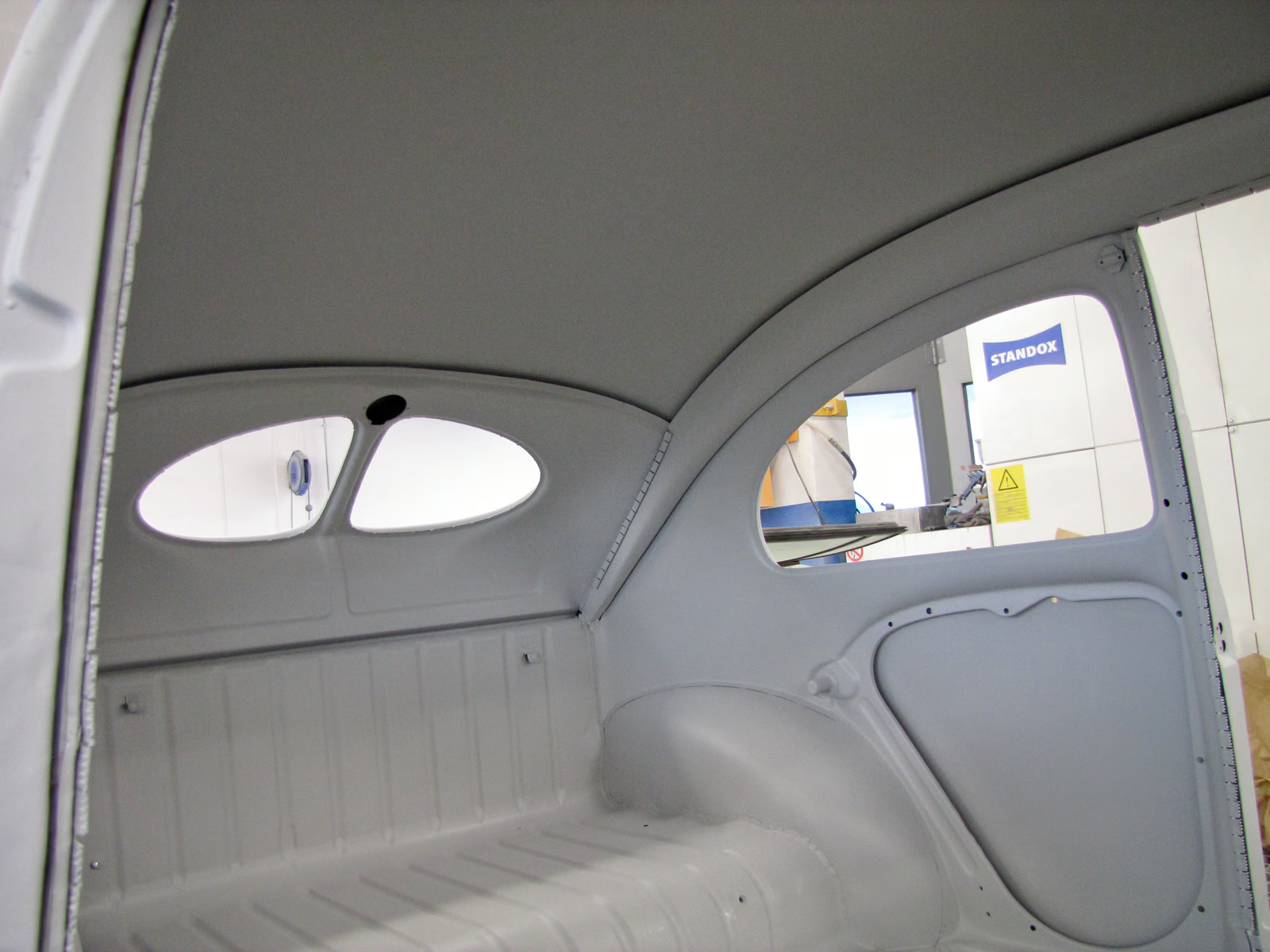
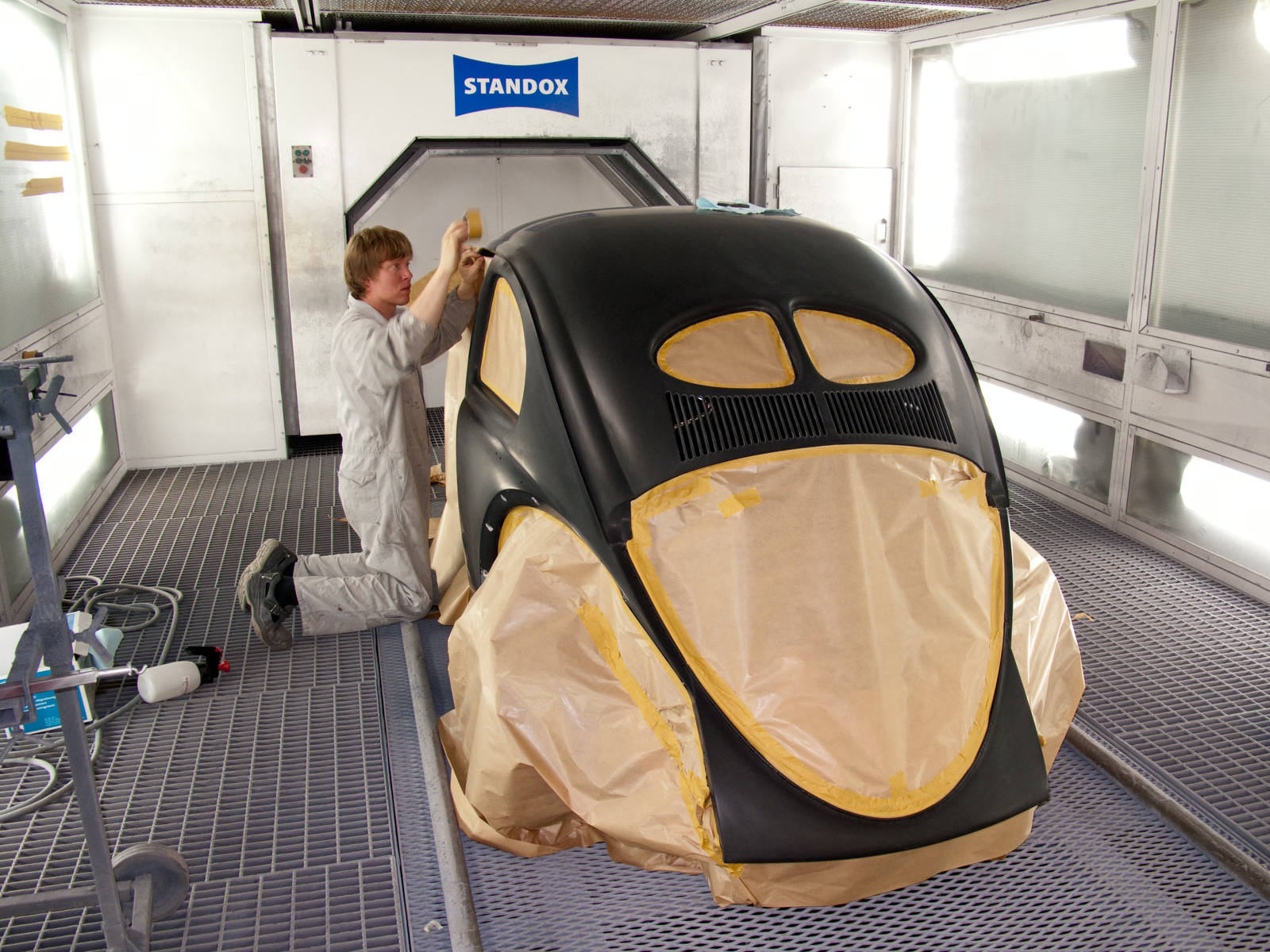
As late as 1951, the car was still in production practically as it was originally designed. The cars from the early years were characterized by a distinctive two-part rear window (Split-Window). You rarely encounter these on the streets anymore, primarily only in museums and classic car events.
These early Split-Window Beetles are highly sought-after cars in Germany today, thanks to their place in German and European automotive history, as well as their extreme reliability and durability.
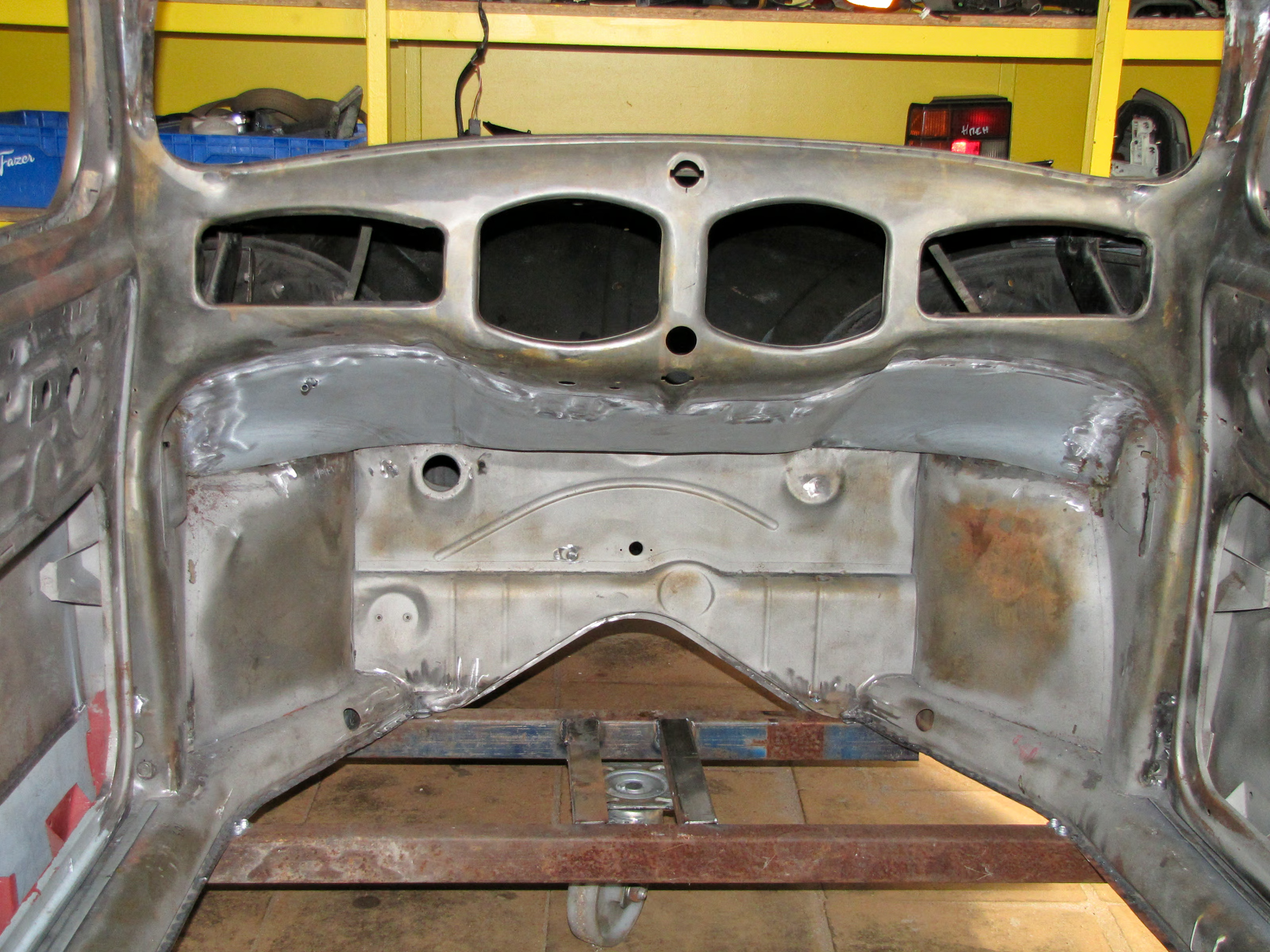
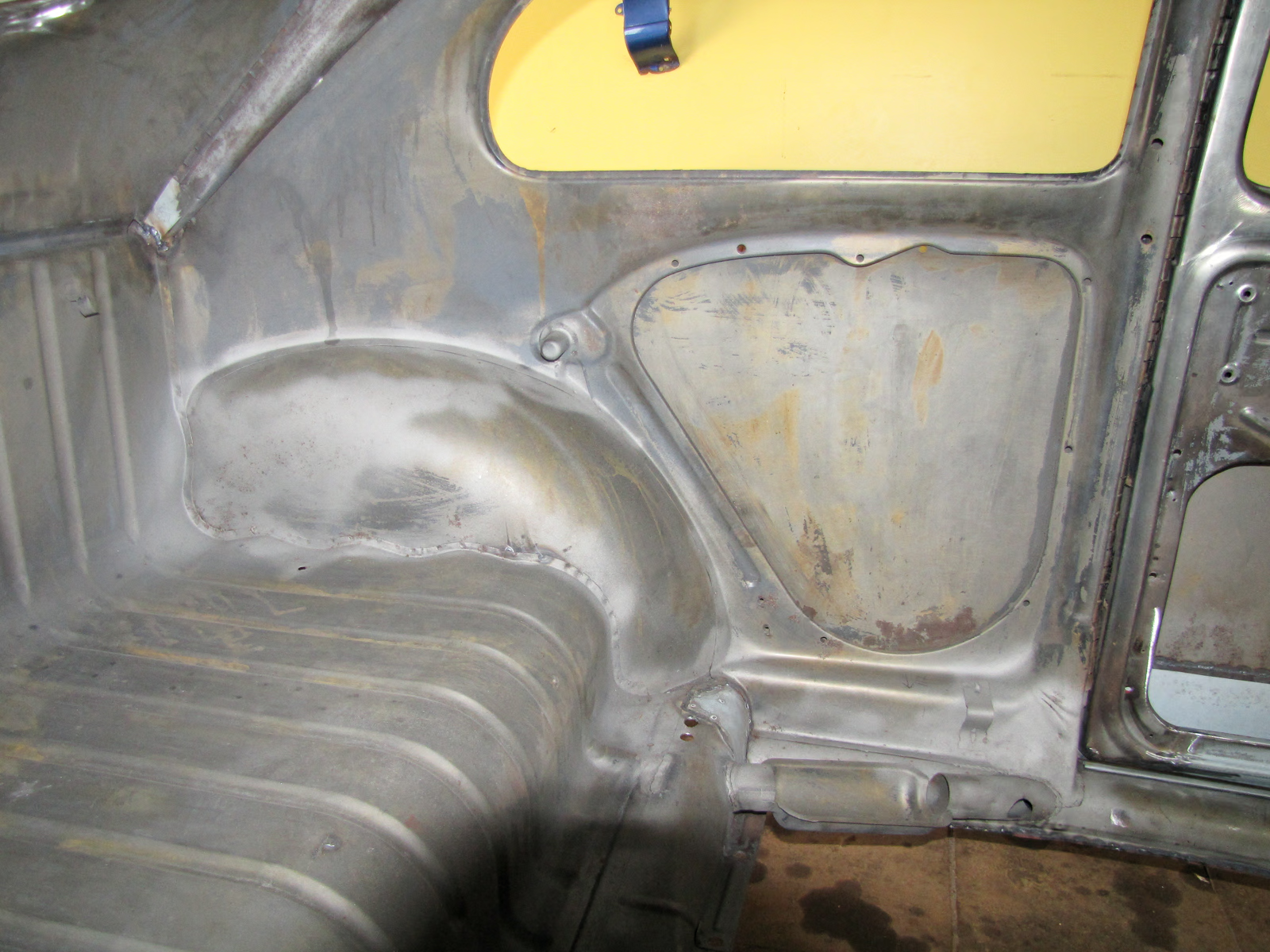
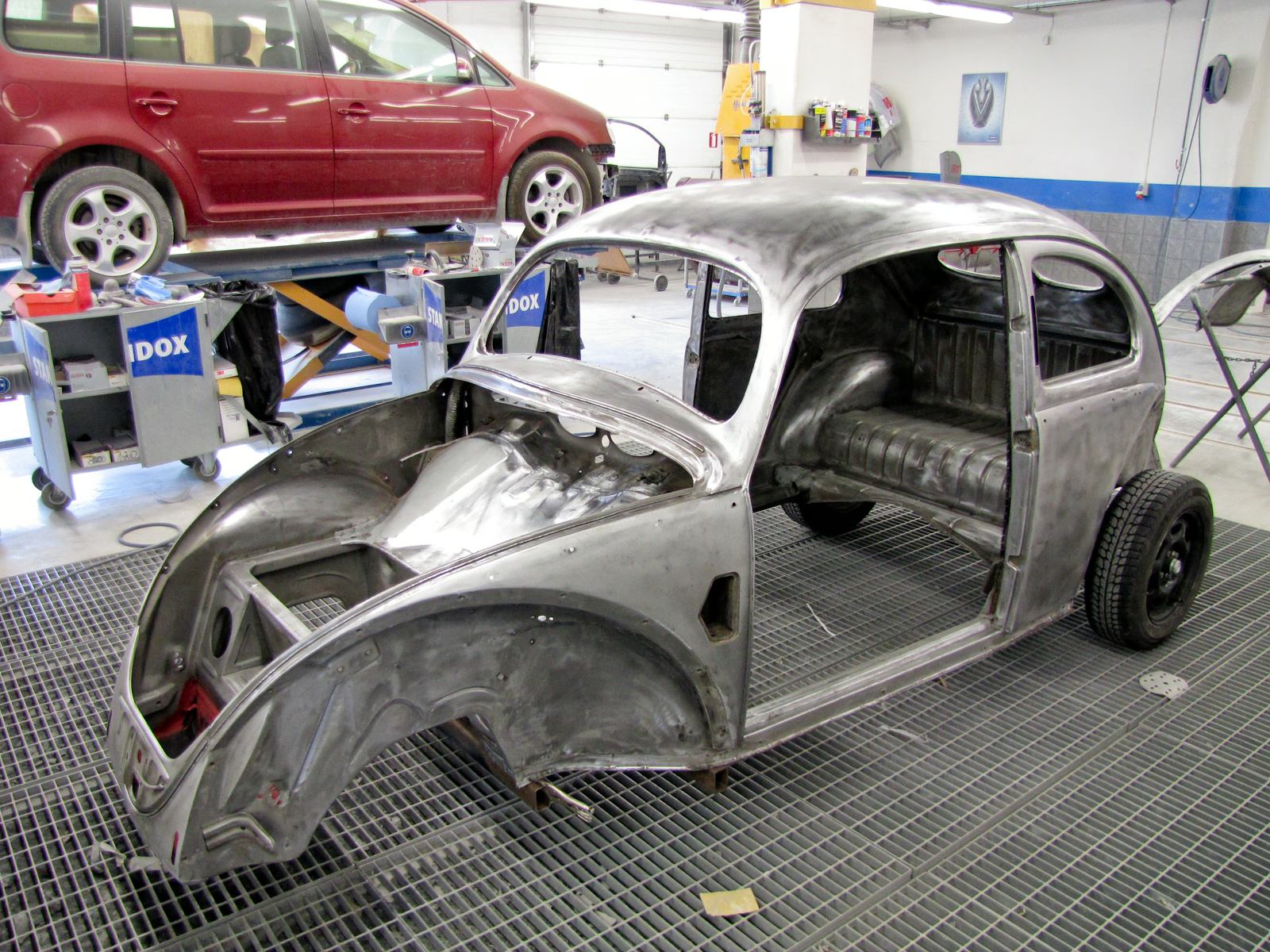
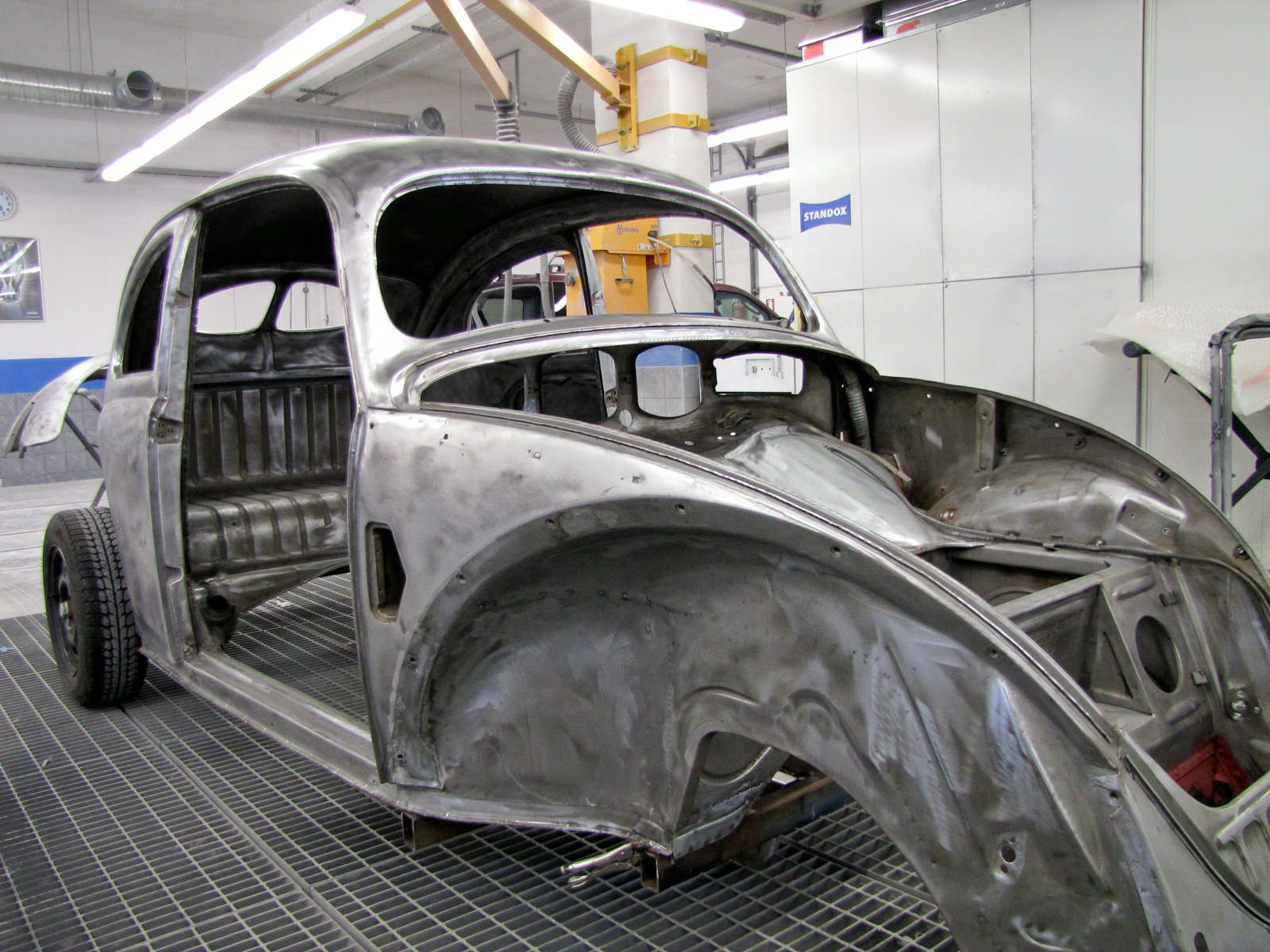
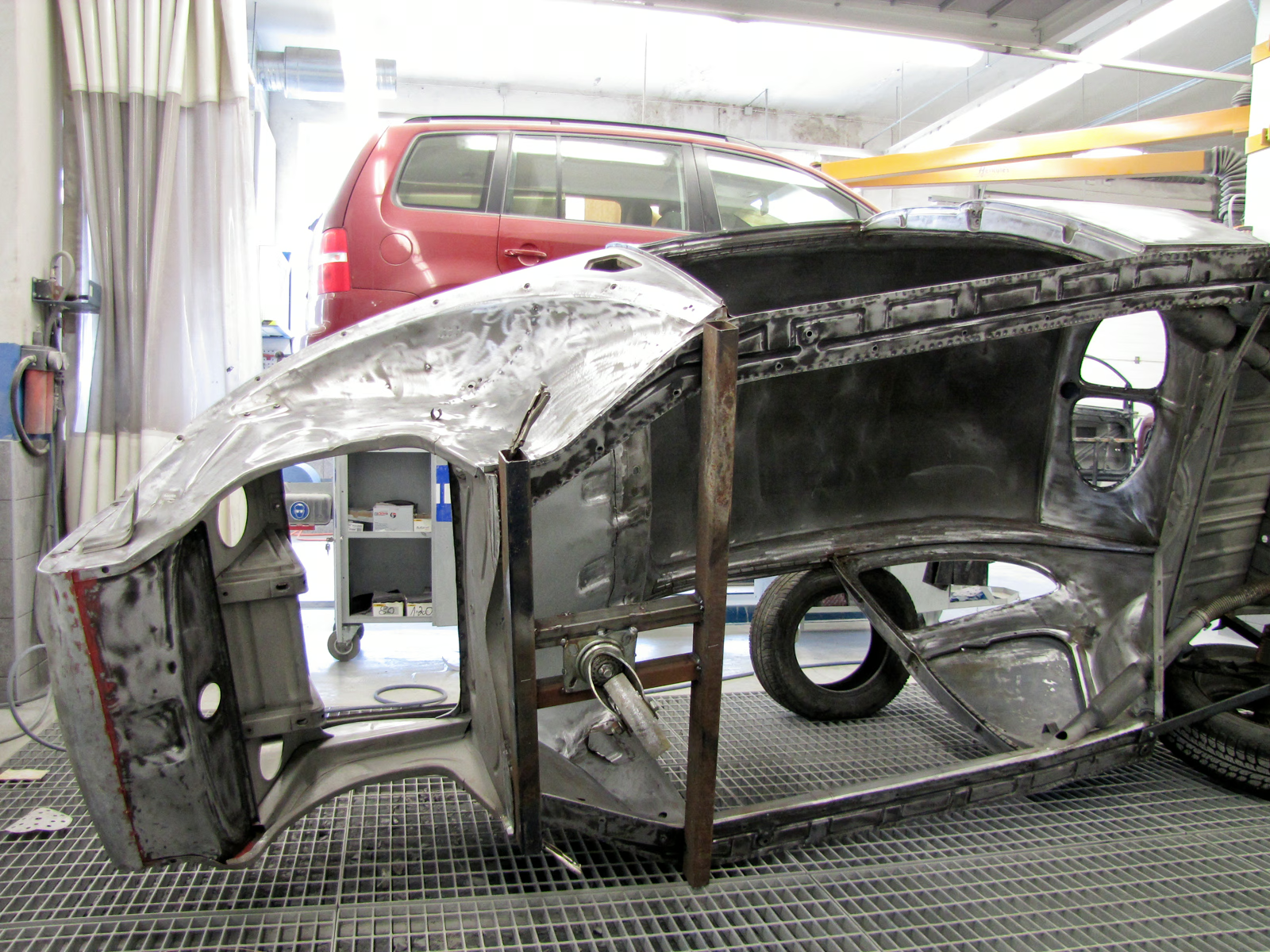
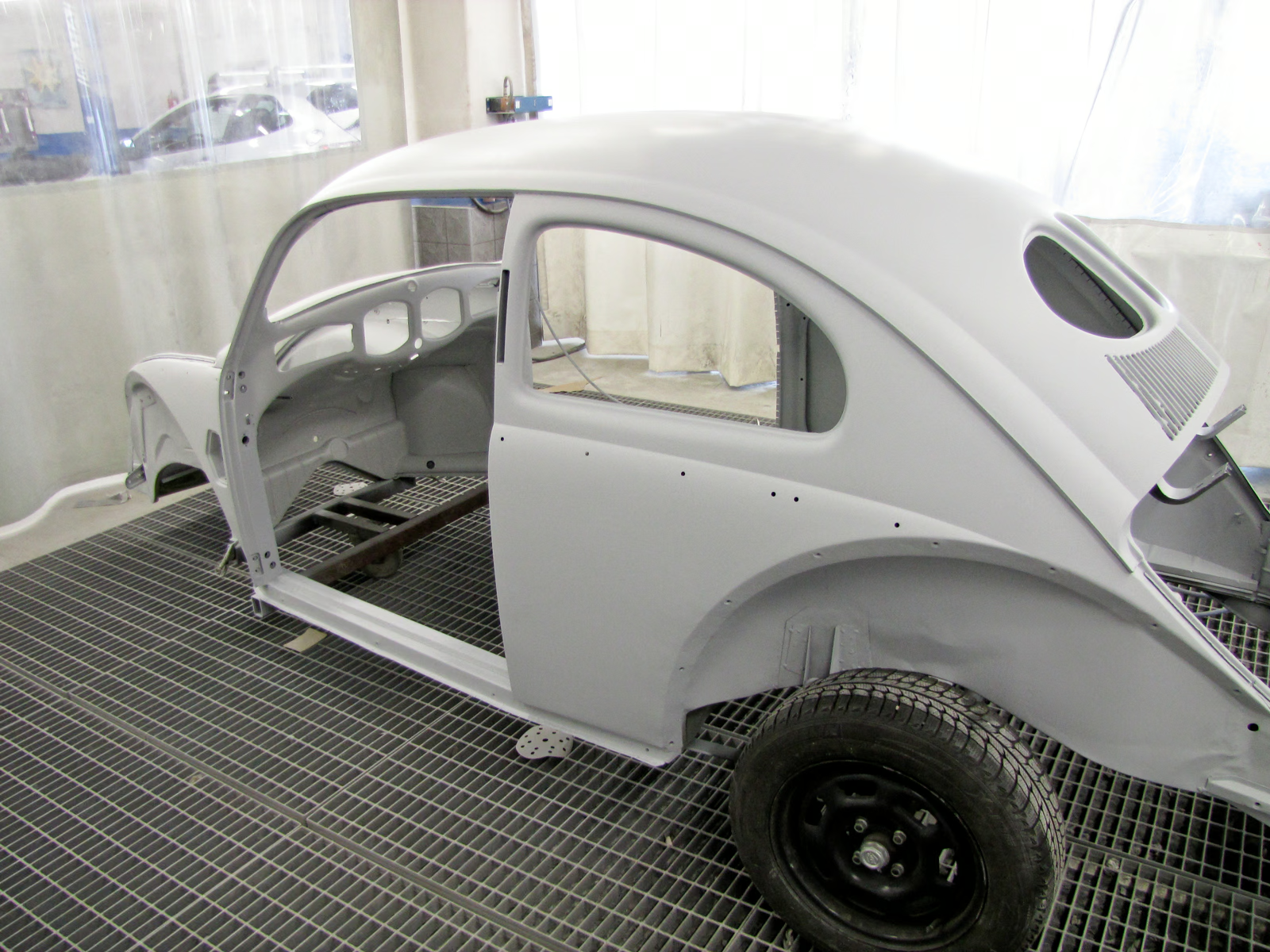
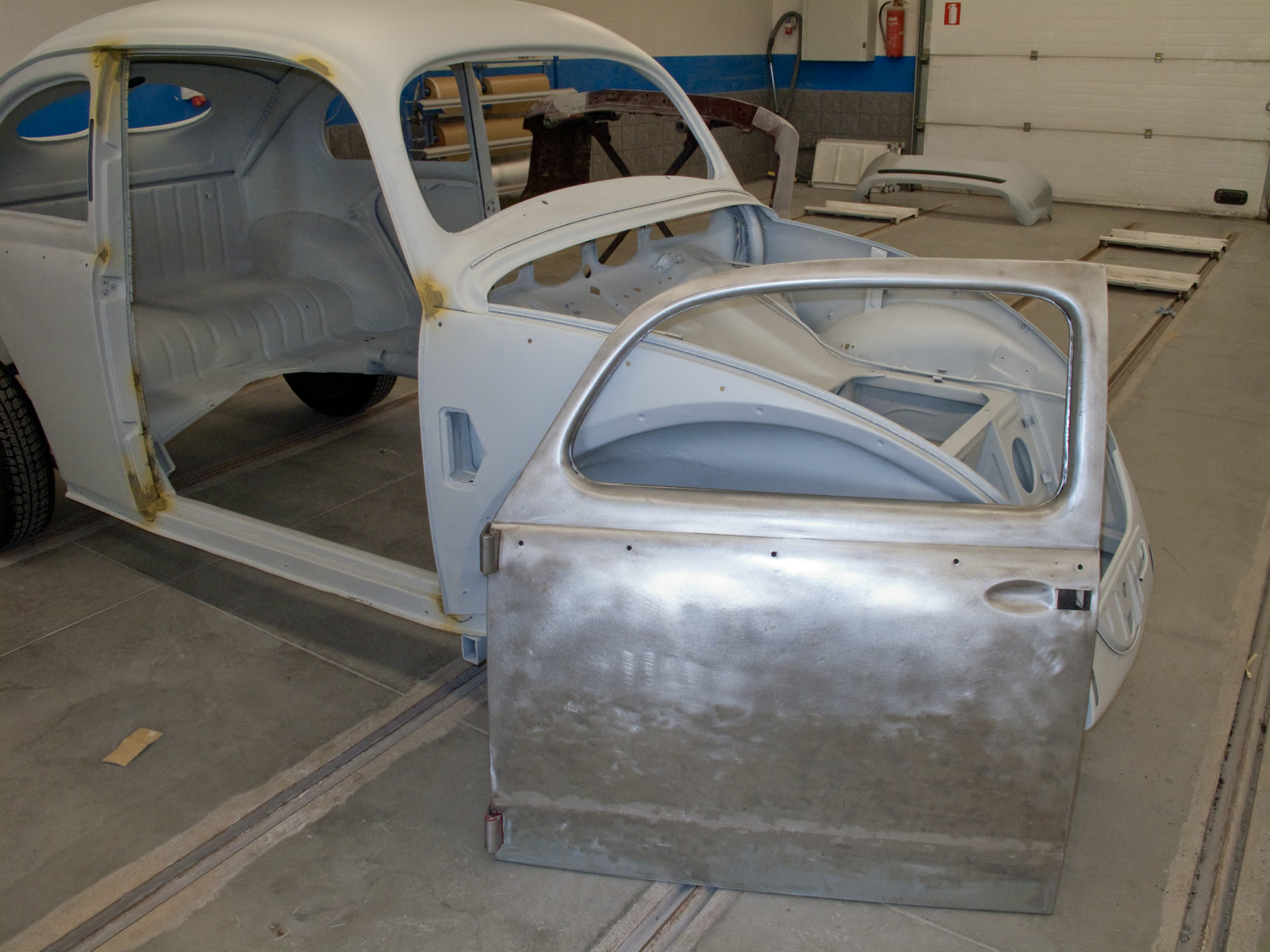
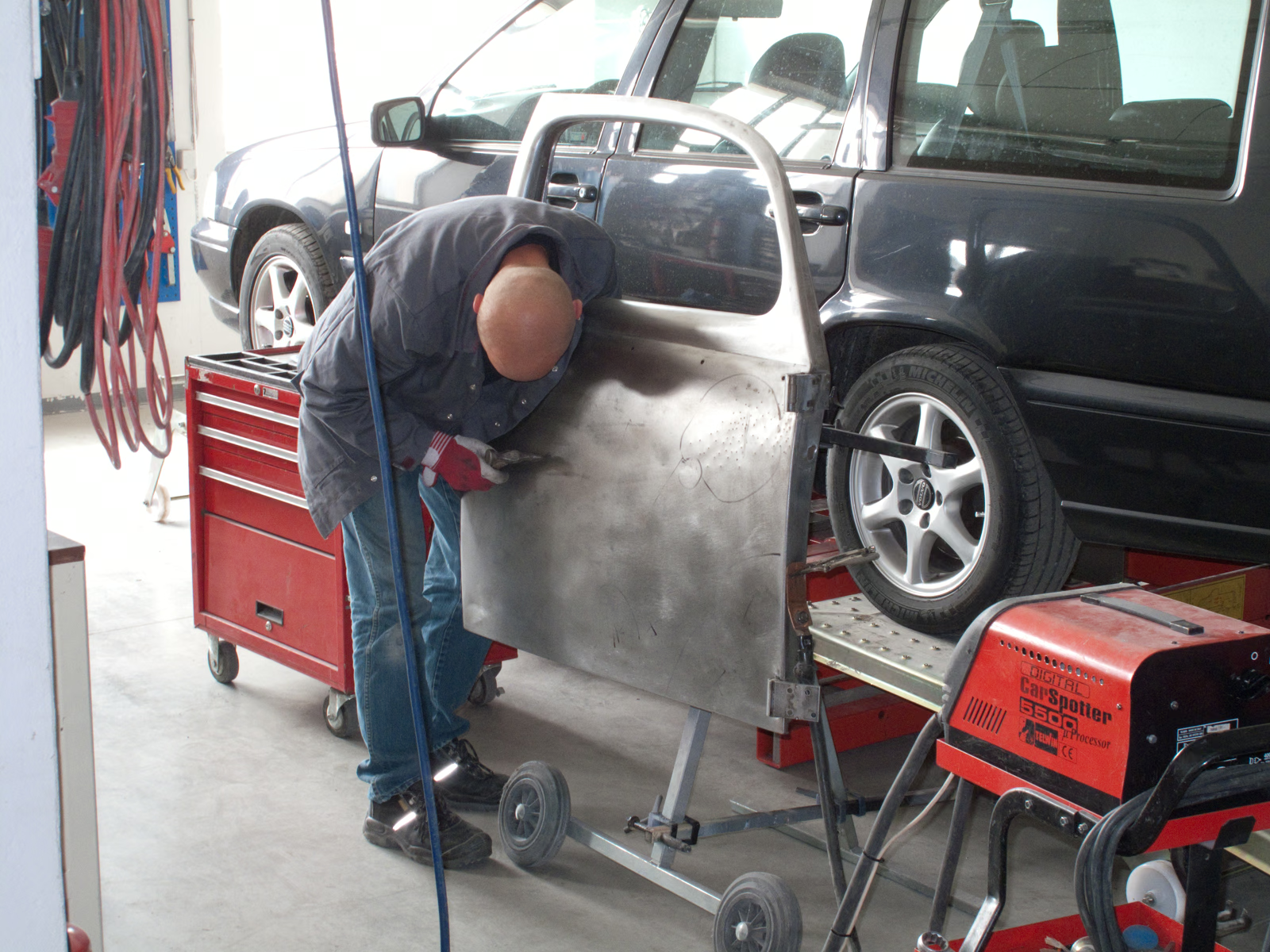
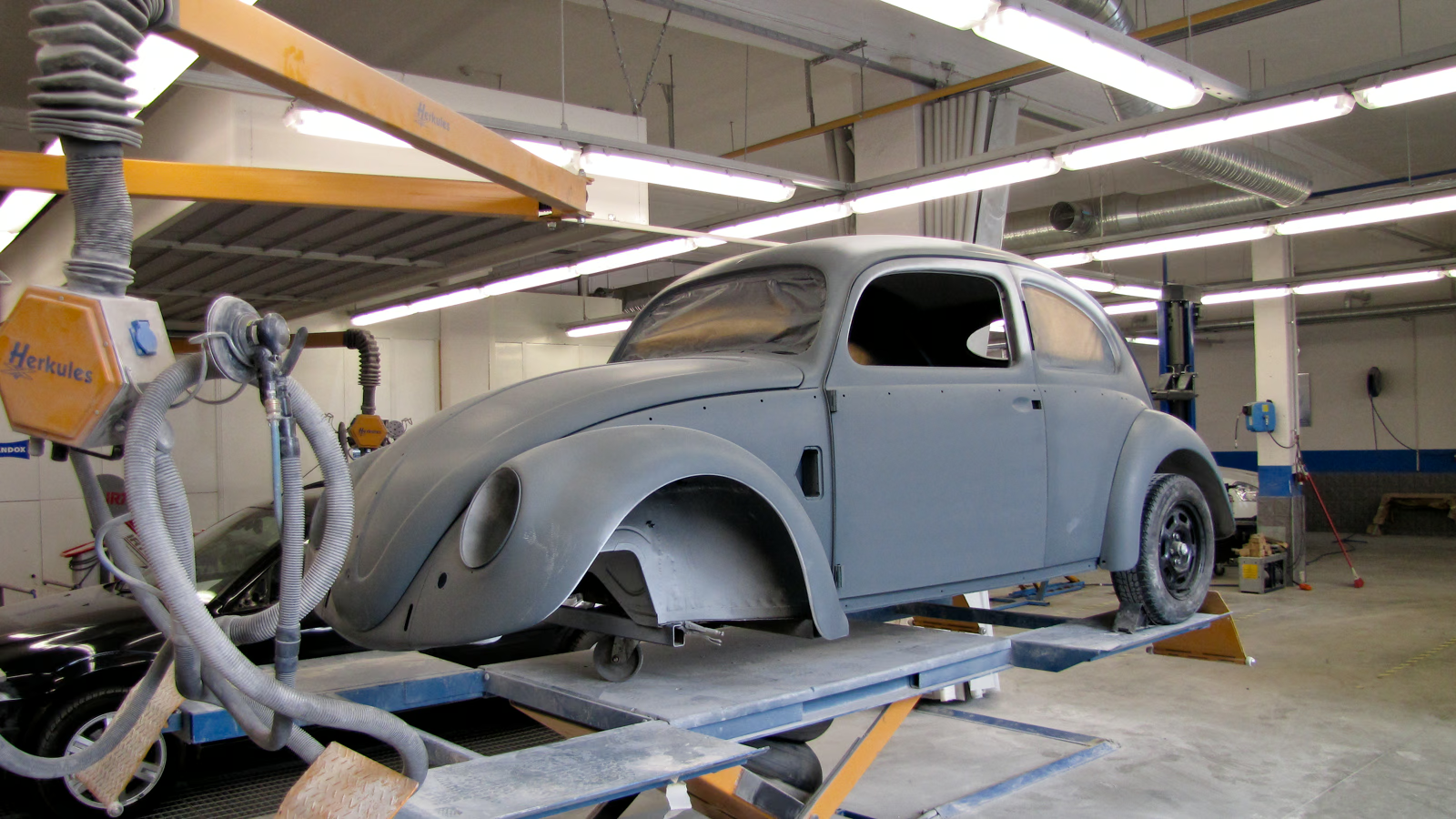
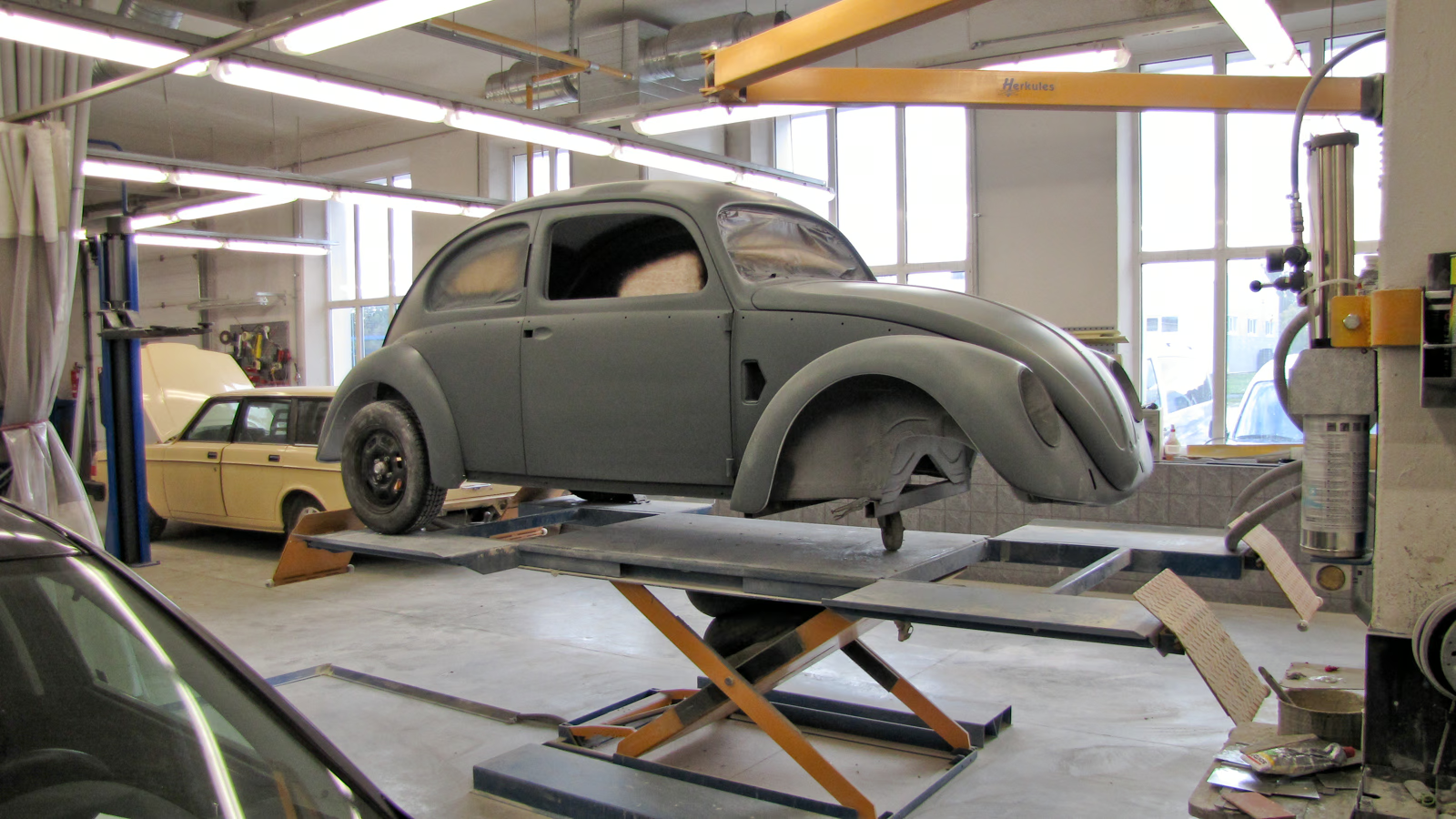
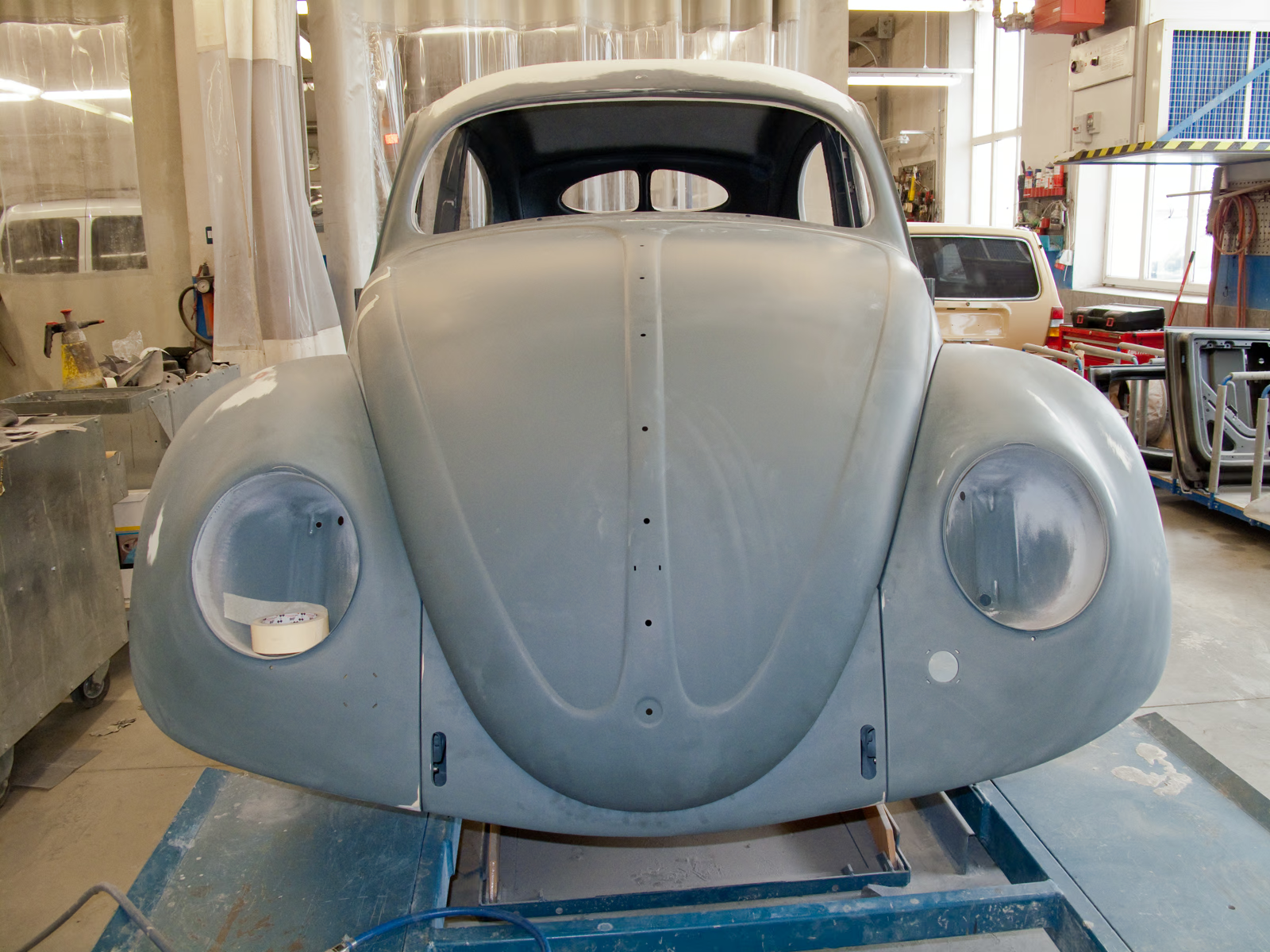
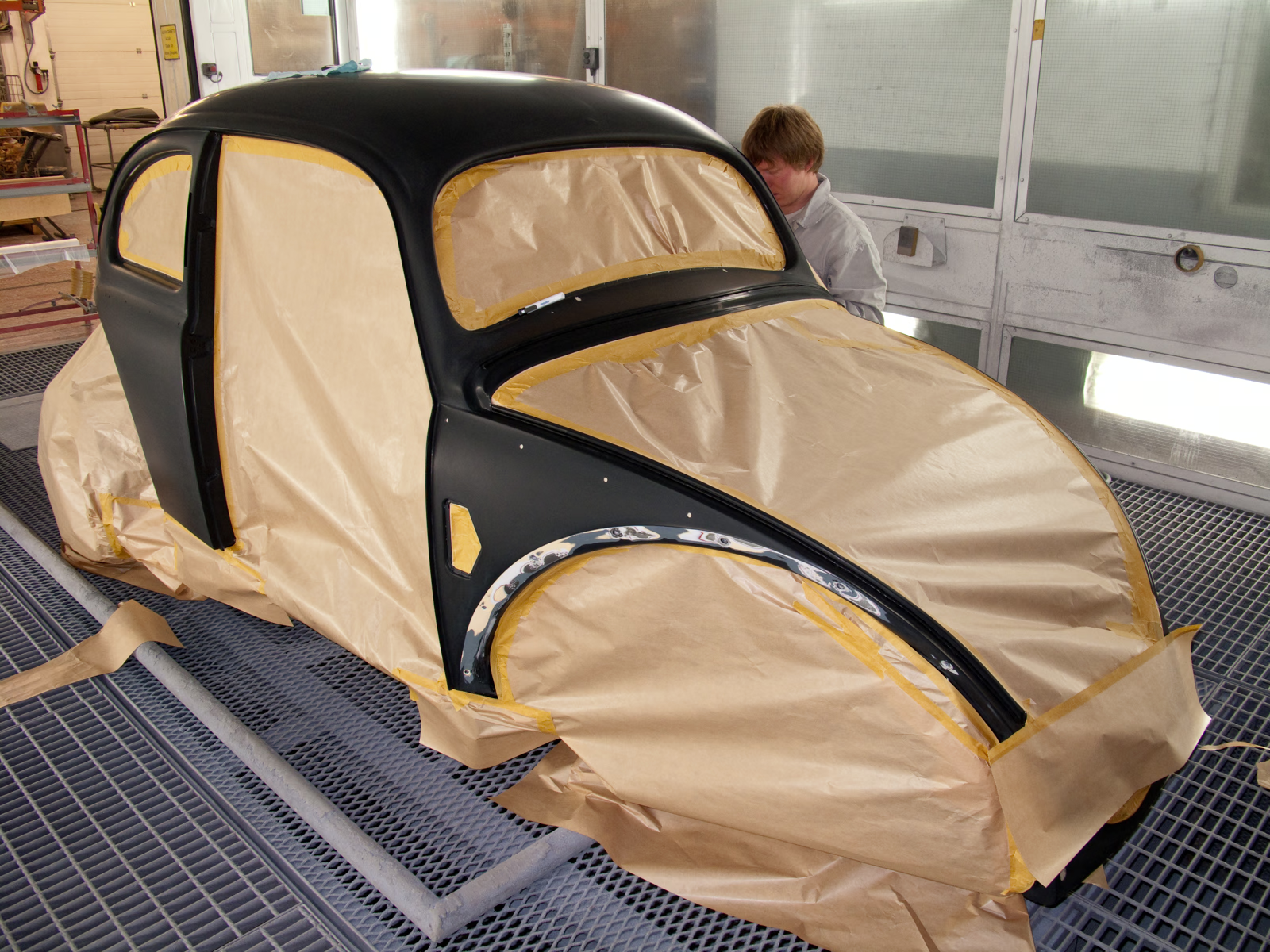
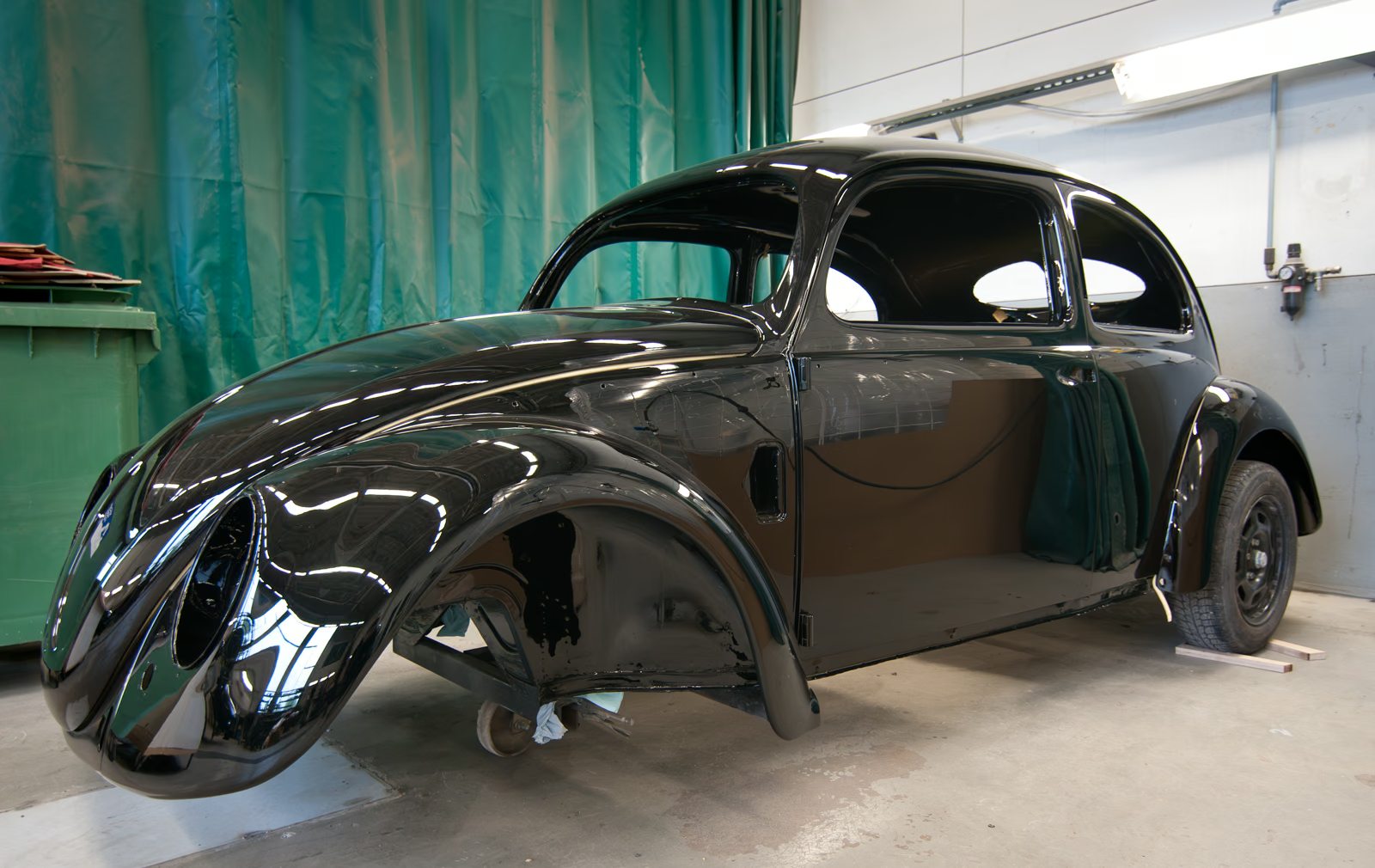
The car arrived with us as a disassembled rolling body, with the major sheet metal work already completed abroad. An unexpected problem arose with the mutual fit of the parts. Since the roof had been replaced, as well as several structural parts of the car, it took quite a while to fit the doors to the roof gutters and align the entire front end.
It seems we succeeded, and the workflow then followed the predetermined path.
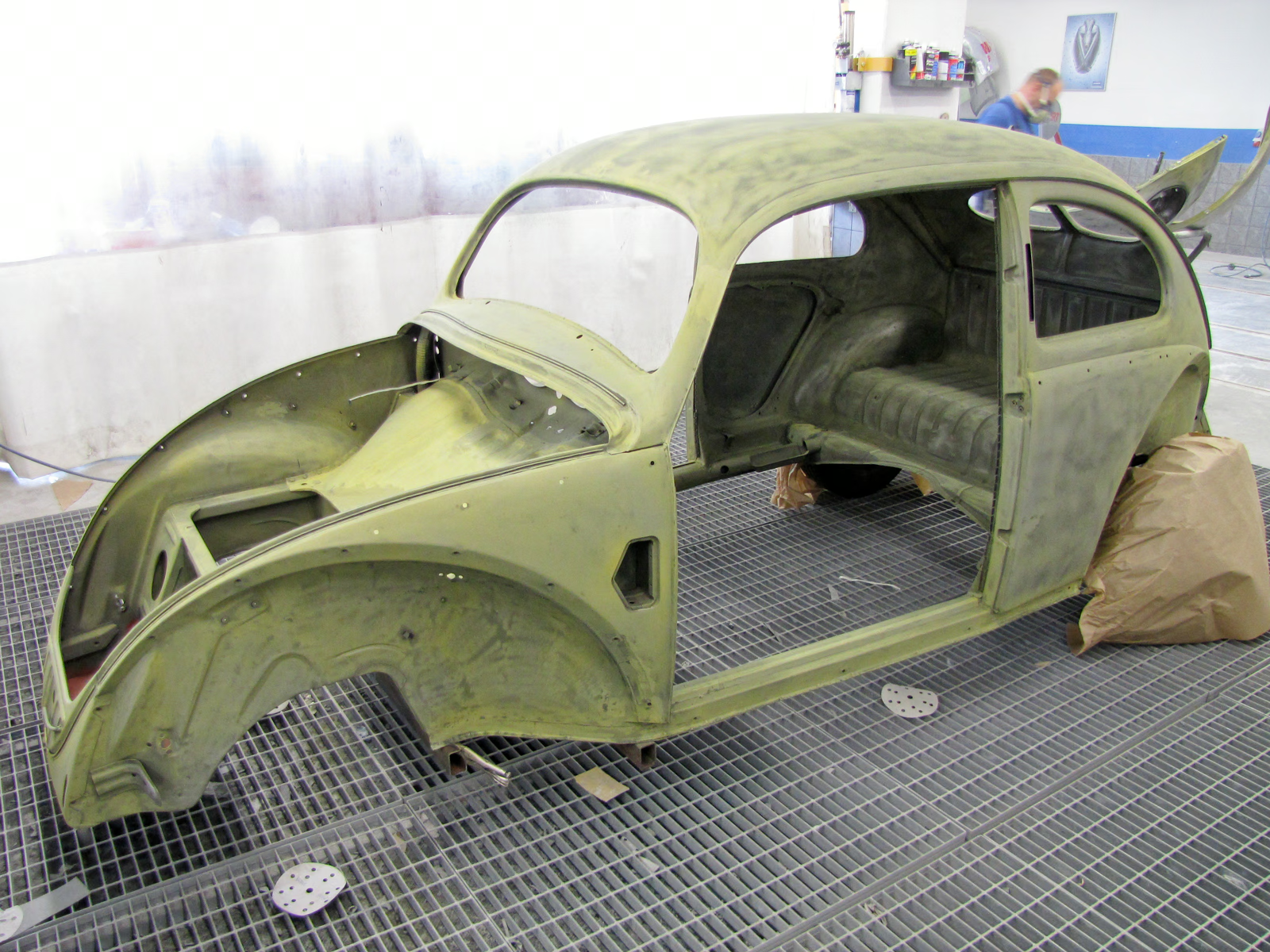
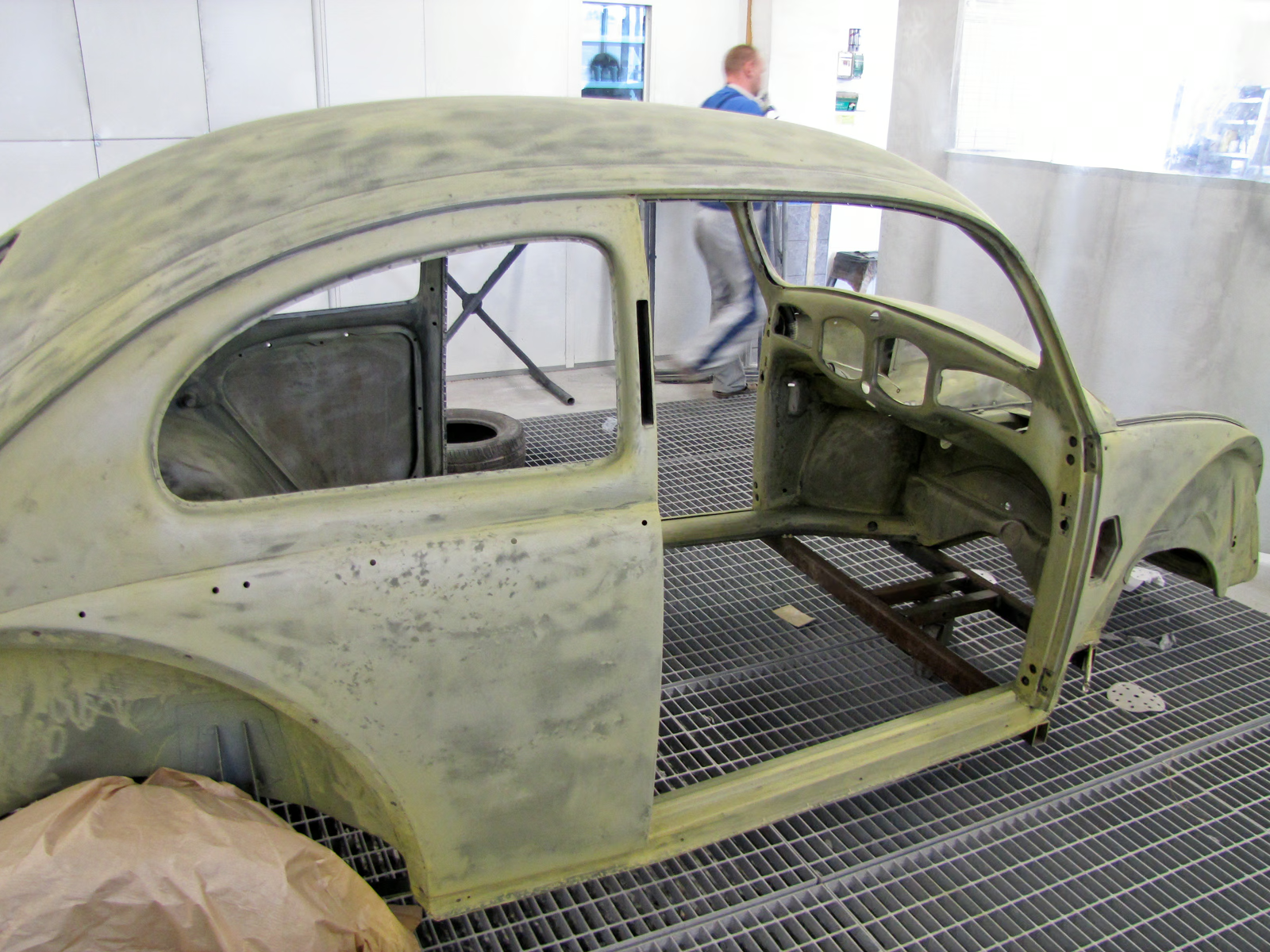
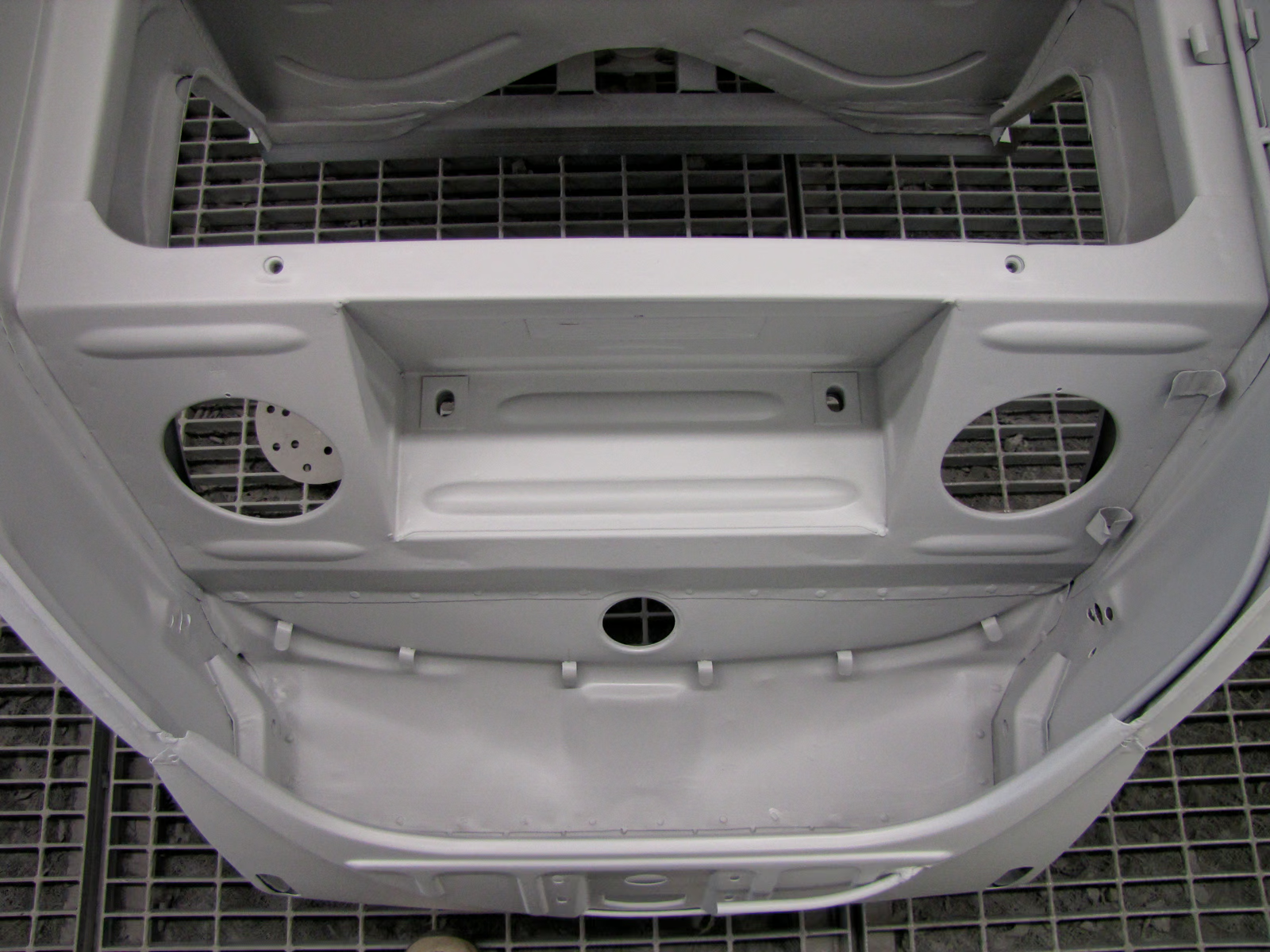
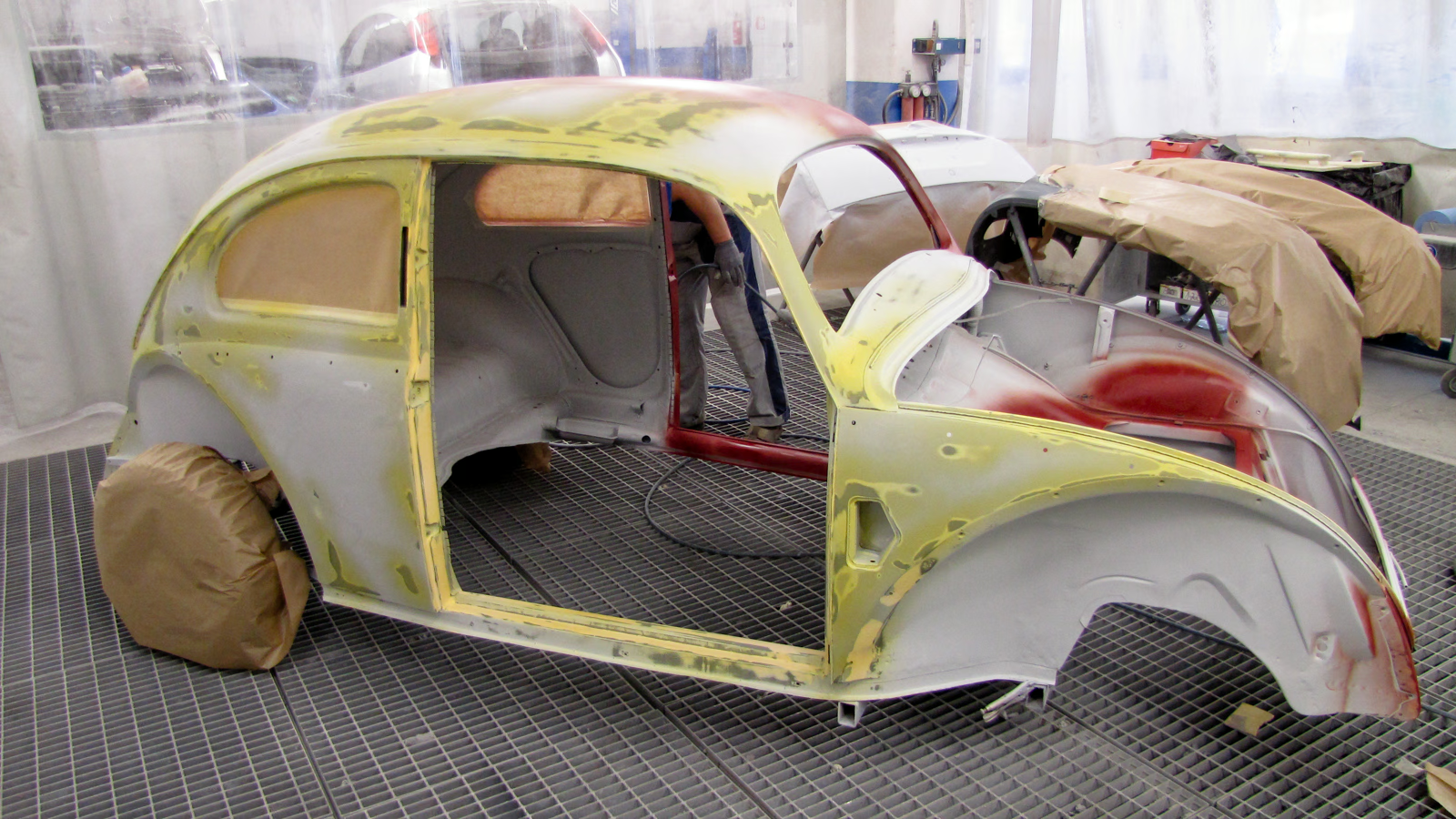
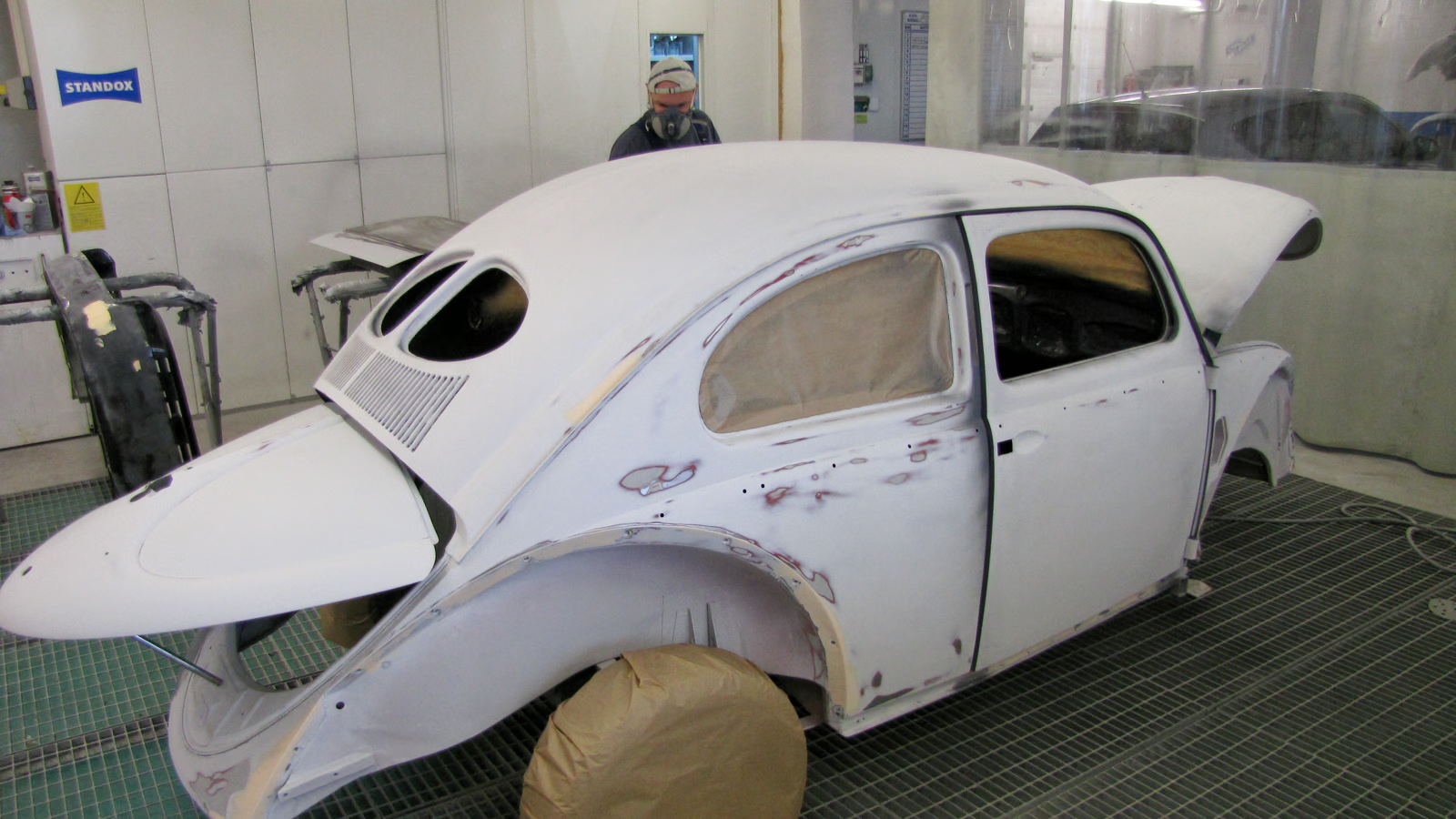
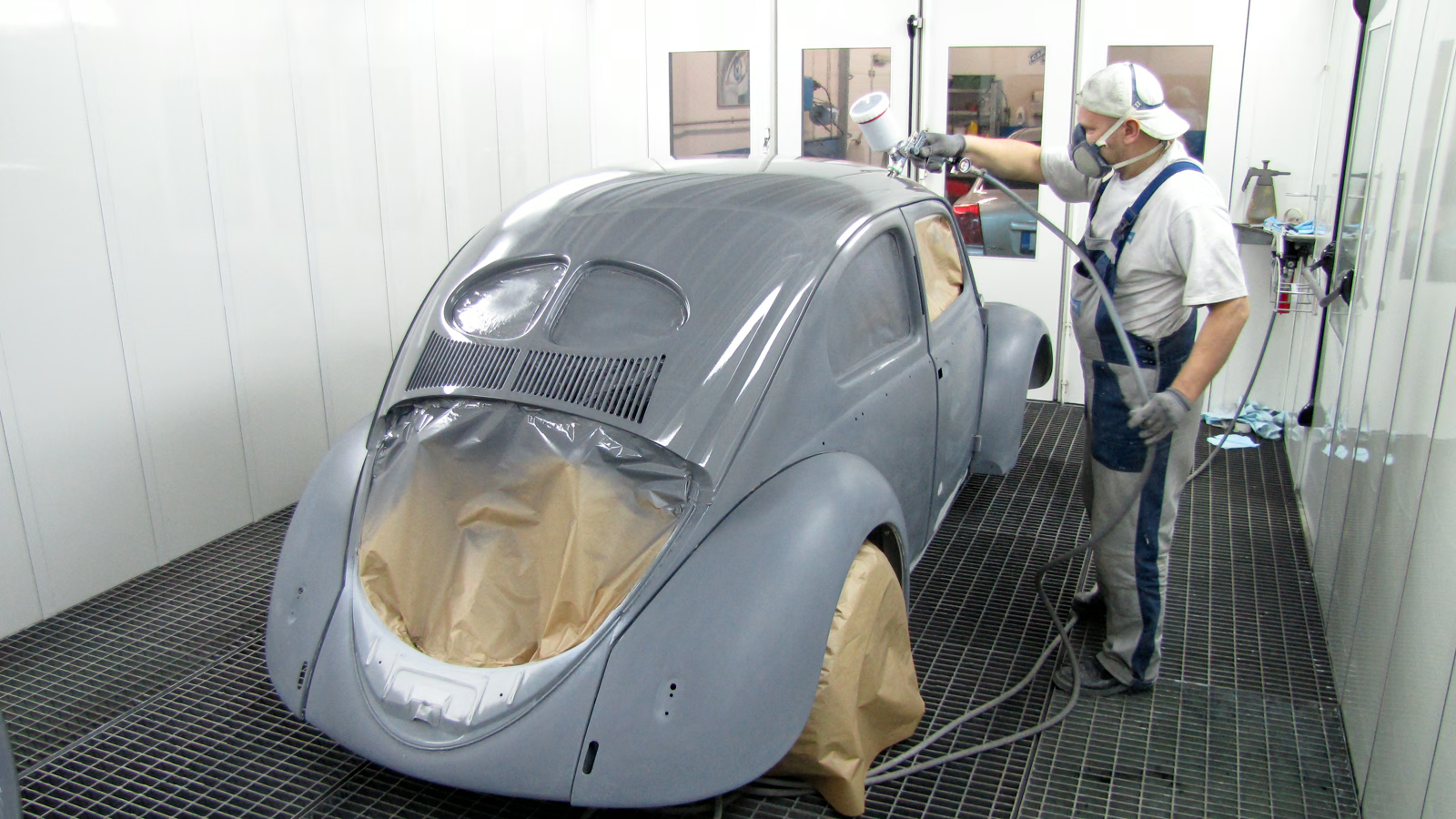
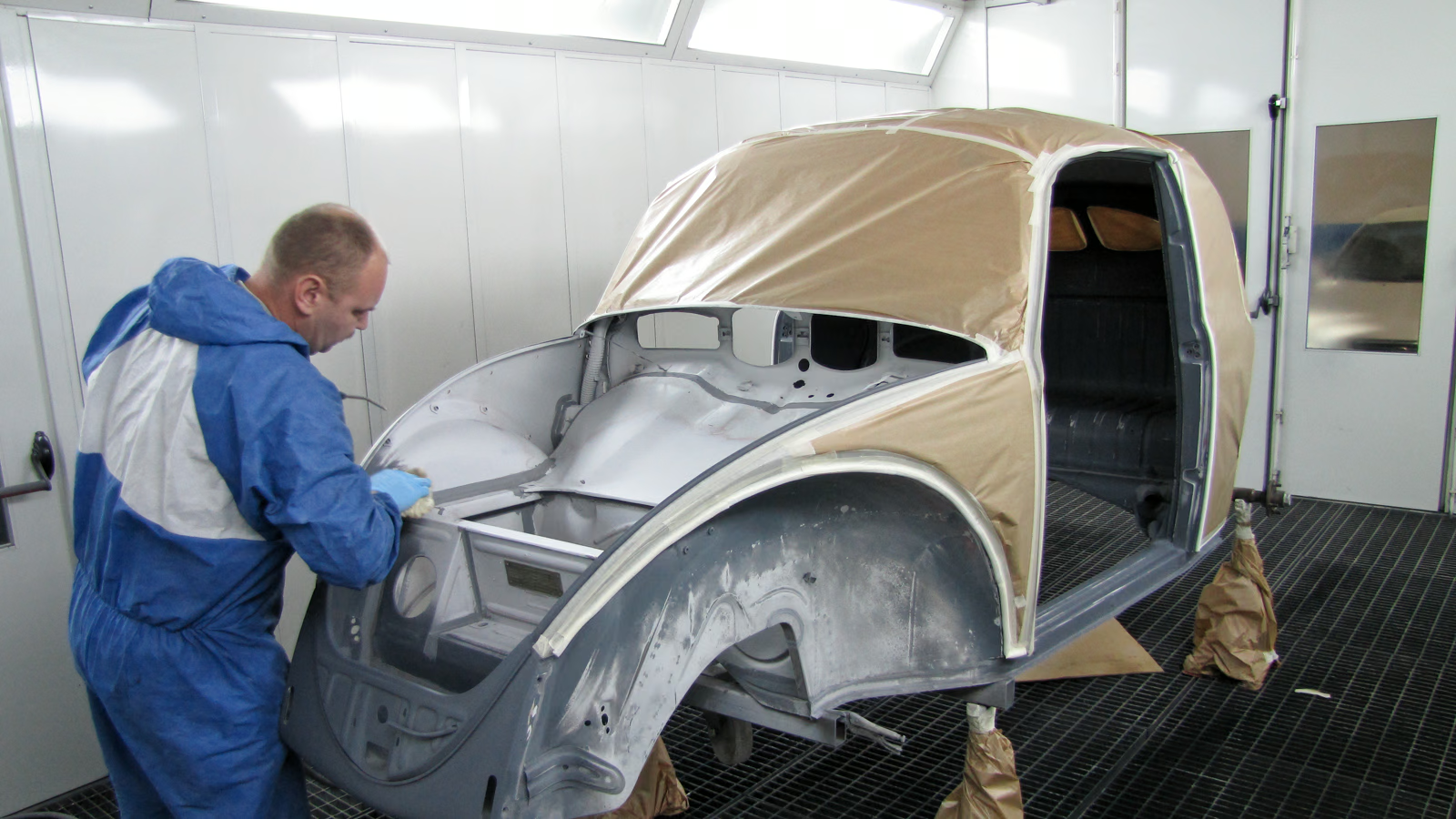
Once the body was completely cleaned, the entire car and its details, inside and out, were primed with Standox Washprimer 1:1 two-component acid primer. A wet-on-wet layer of Standox Non-Stop Füllprimer isolating-filler primer was applied over this. After the primer layers had thoroughly dried, the filler work could begin.
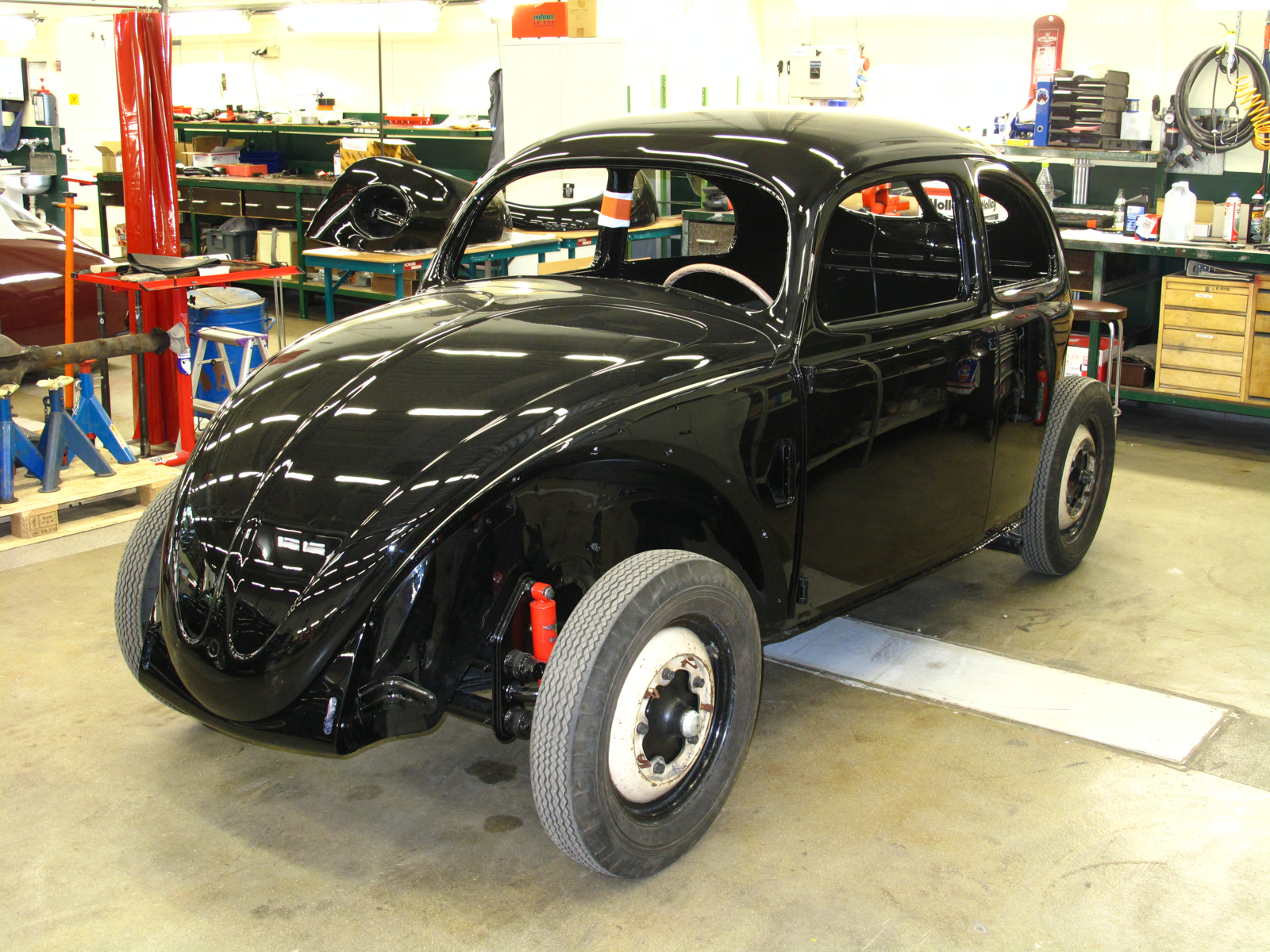
Because the car was destined to be gloss black and had to use topcoat paint, just like originally done at the factory, the demands on the preparation work were high. The slightest flaw is immediately visible on a deep black "piano" surface.
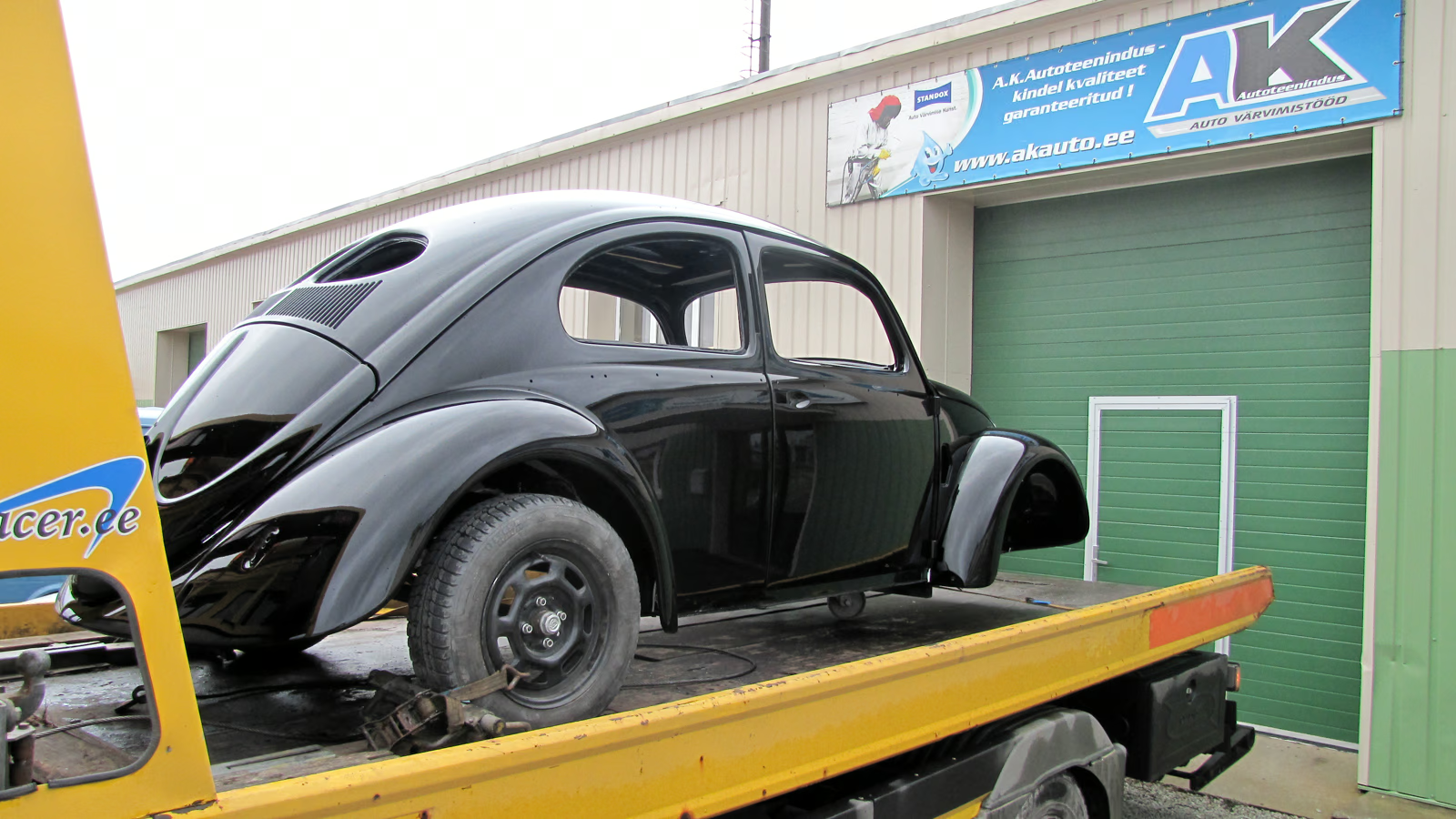
After the first test painting and removal of any defects, the car received its final topcoat in the form of Standocryl VOC topcoat. What emerged was a very handsome little shiny Beetle that should be driving today.