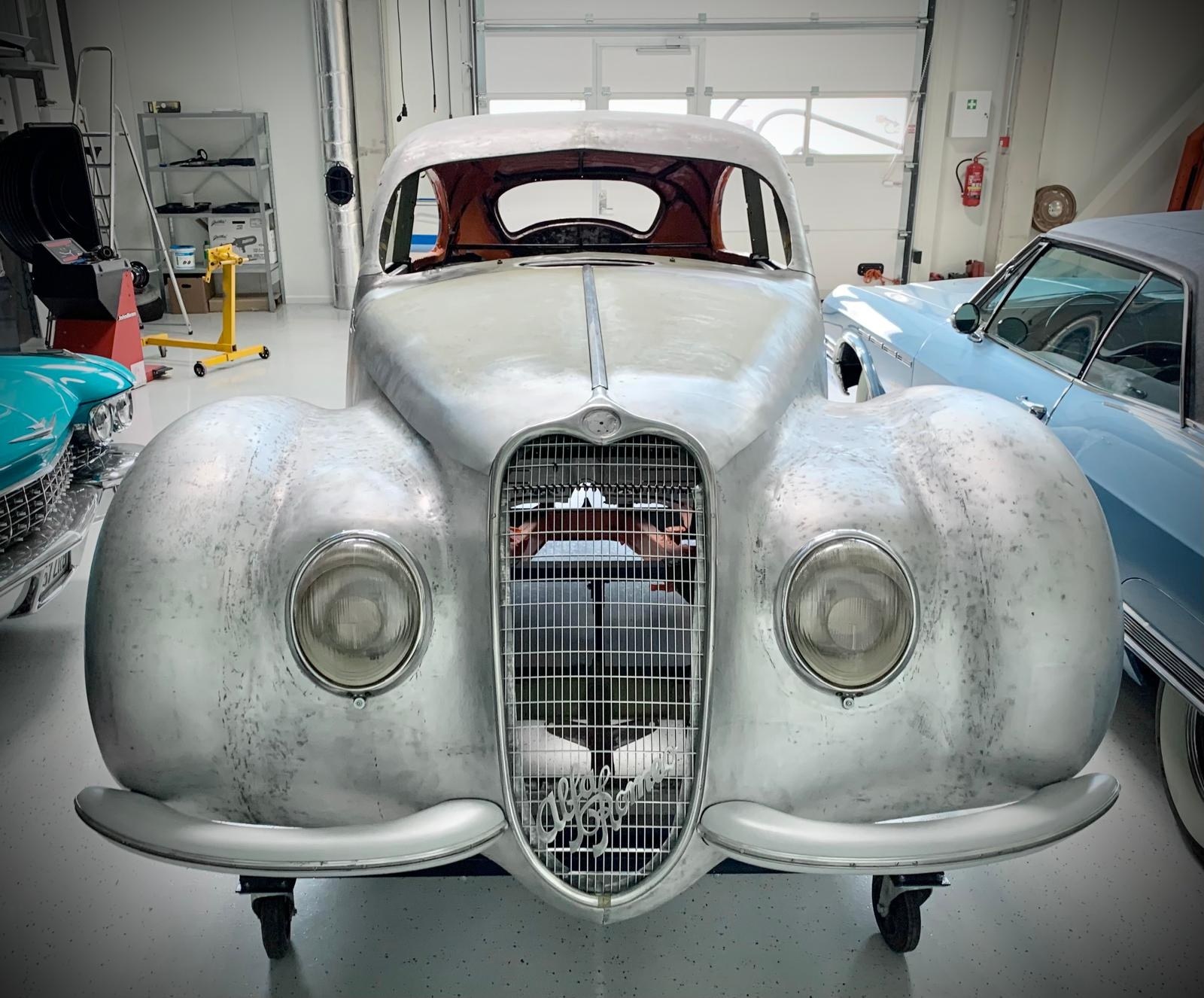



In Part 1 we followed the research, structural repairs and the rebuild of the Superleggera body of this 1940 Alfa Romeo 6C 2500 Sport Touring. Part 2 covers what came next - and a discovery that made the project even more special.
A one-off Alfa Romeo
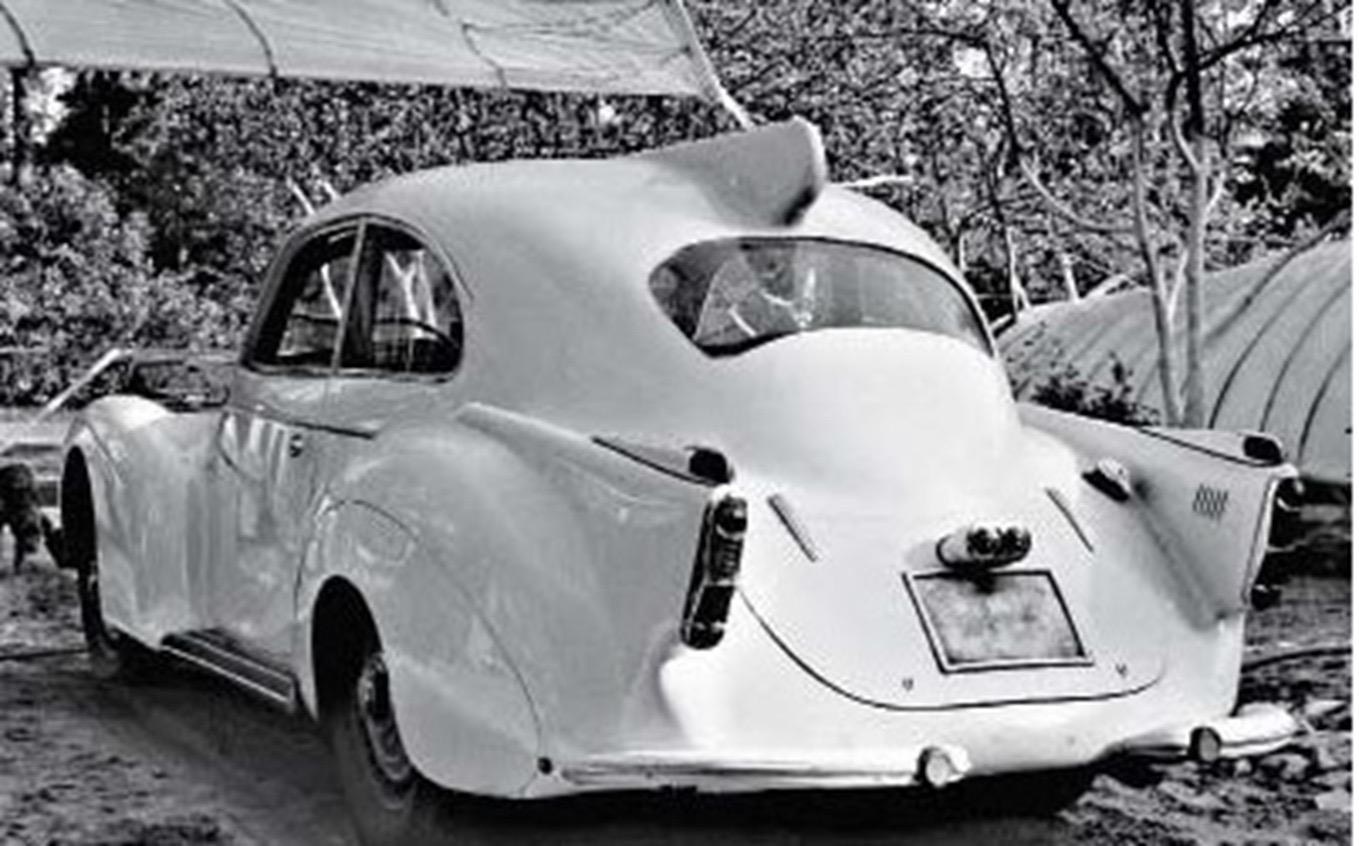
It turns out this car is not quite identical to the other cars built in the same small series. It is most likely a special-order one-off. Its body is about 60 mm longer than the other known cars, the curved Plexiglas rear window is larger and more curved than on the others, the boot opening is larger, and the doors have wind-up windows instead of sliding ones.
The historical photo in the gallery shows some of the "space-age" modifications made to the car after the war in Kharkiv by a well-known aeronautical engineer who had somehow come to own it. Reversing those changes and returning the car to its original form has been a big part of the work.
Stage 4: Body details, interior details and individual parts
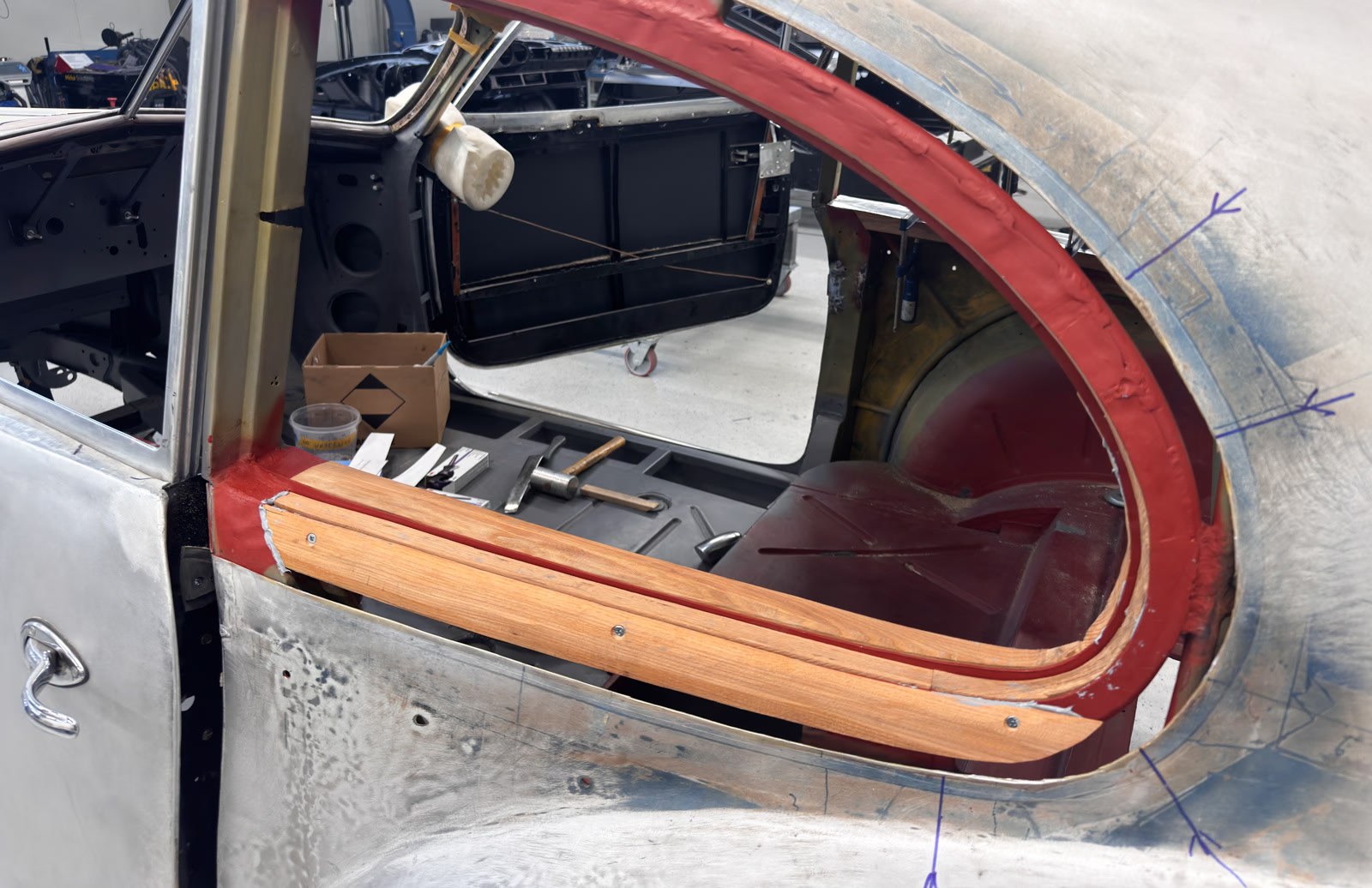
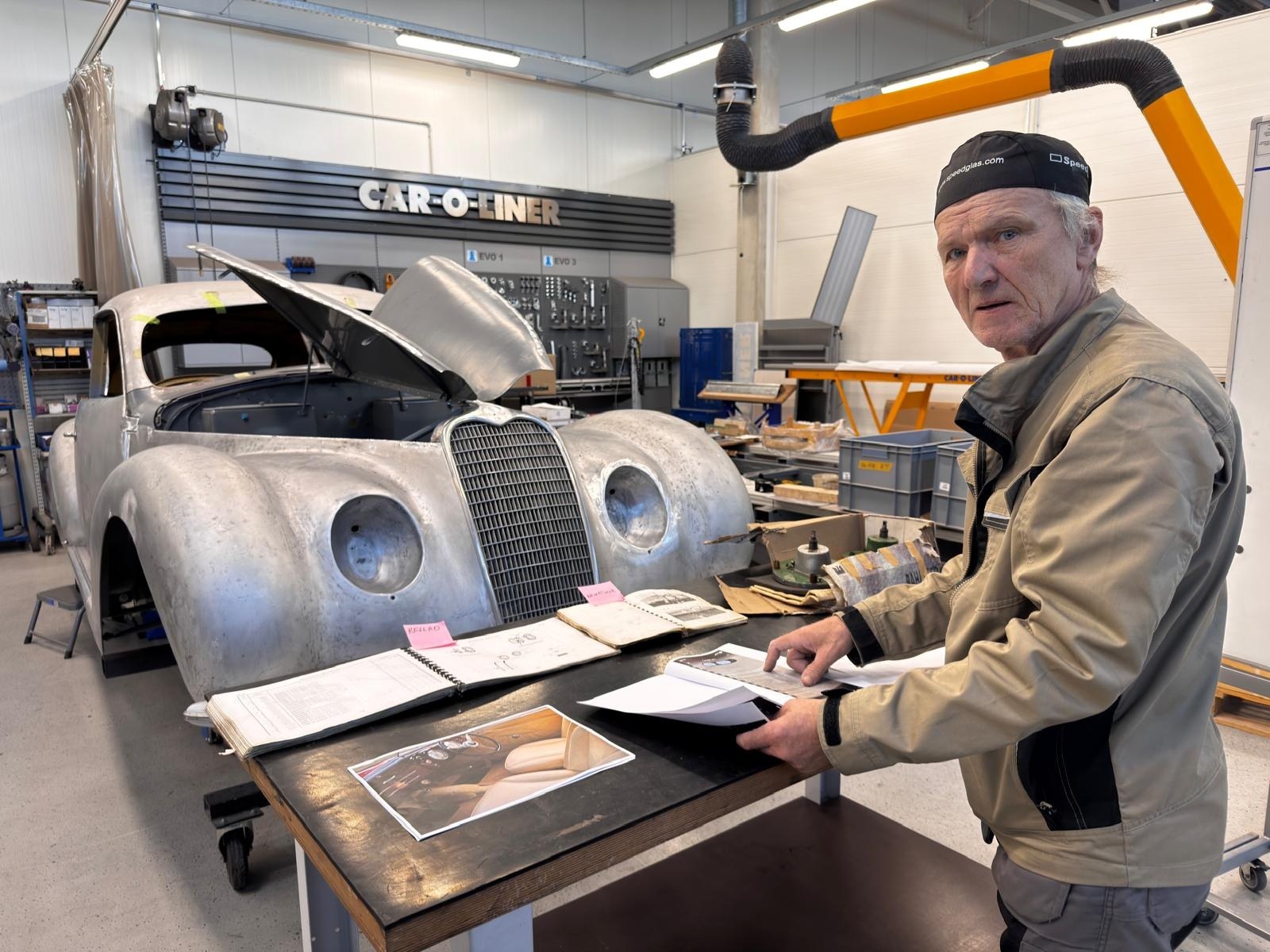
With the structural work and aluminium body mostly done, attention turned to the many individual parts that define this car:
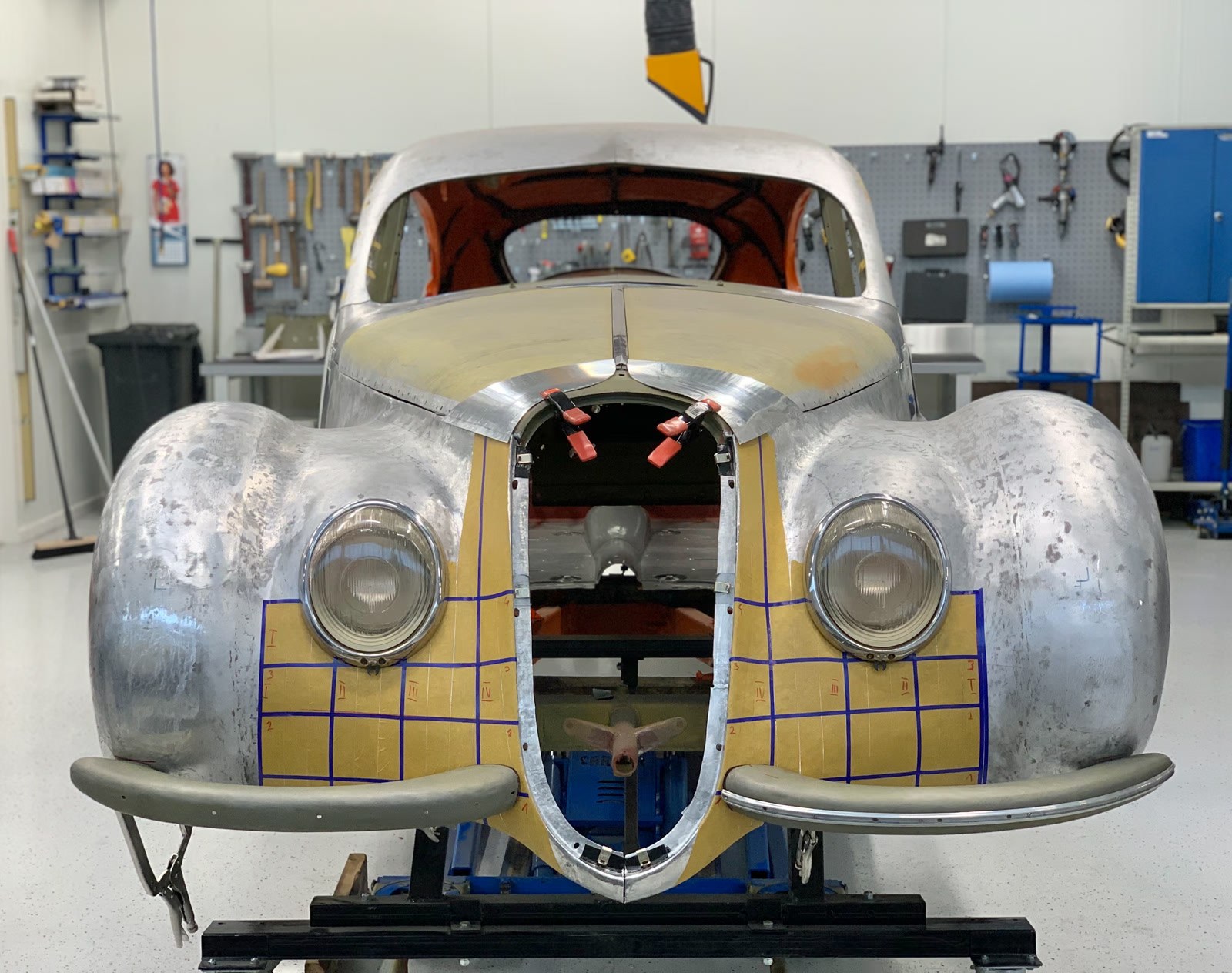
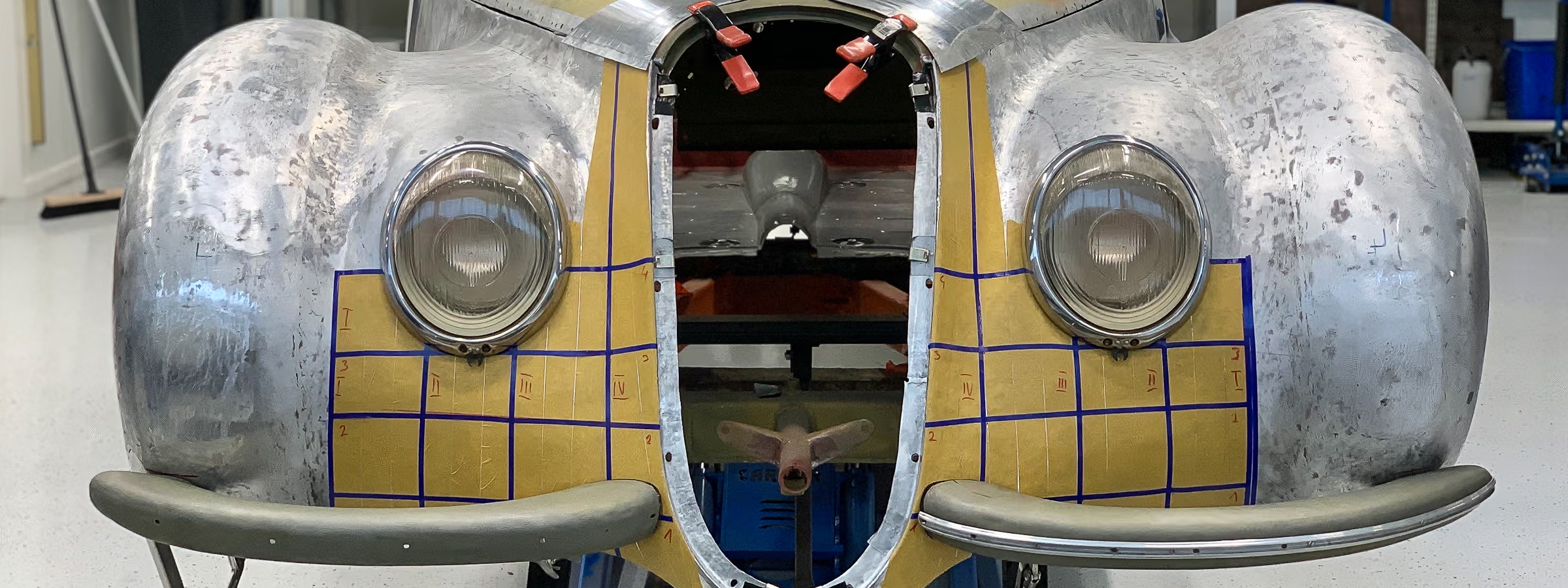
- We restored the car's original nose section using photos and drawings, lengthened the bonnets (pieces had been cut off their ends) and remade parts of the bonnet opening system using photos and borrowed parts.
- The original firewall between the engine compartment and the cabin was restored, with dozens of incorrect holes welded shut.
- Using surviving fragments and old photographs, we recreated the roll-up rear window sunshade system.
- The door locks and the window winding mechanisms were restored.
- New aluminium inner wheel arch liners were made for the front and rear, based on photos, along with new aluminium air intakes for the sides of the engine bay.
- Hundreds of chassis and body parts were galvanized and painted.
Some smaller missing parts were sourced from Italy, but parts made for this particular body were virtually impossible to find, which is no surprise for a one-off.
Stage 5: Primer, paint and preparation
The chassis parts, floor, engine bay and part of the interior have been primed and painted with high-quality Standox materials, giving excellent corrosion protection and a perfect base for what comes next. Every aluminium panel was refined, aligned and hand-finished so that every curve and edge matches the original Touring design.
Once the mechanical work is complete, the car will go through a trial assembly to check the fit and function of every component. After that come the preparation of the exterior surfaces and the final paint.
The original colours
The car will be finished in Nero Alfa Romeo black with a contrasting Pelle Verde Scuro dark green leather interior. These are the car's original colours: from surviving fragments we have been able to identify the grey of the interior surfaces, the black exterior and the colours of the seats and carpet.
Stage 6: Engine, gearbox, axles and running gear
At the same time, the running gear is being fully restored: engine, gearbox, axles, suspension and brakes. The 6C 2500 was advanced for its era, with a remarkable front suspension, independent rear suspension and friction dampers adjustable from the cockpit.
More than 1,500 individual components are being cleaned, inspected, repaired, restored or recreated, with correct plating, coatings and finishes to period specification. The aim is a car that works exactly as Alfa Romeo's engineers intended and looks exactly as it did when new.
We will share more as the work continues. See all photos of this project in our restorations gallery. Planning work on your own classic? Get in touch with us.