No items found.




1940
Start of work:
08 Aug 2020
Complete Restoration
In Progress
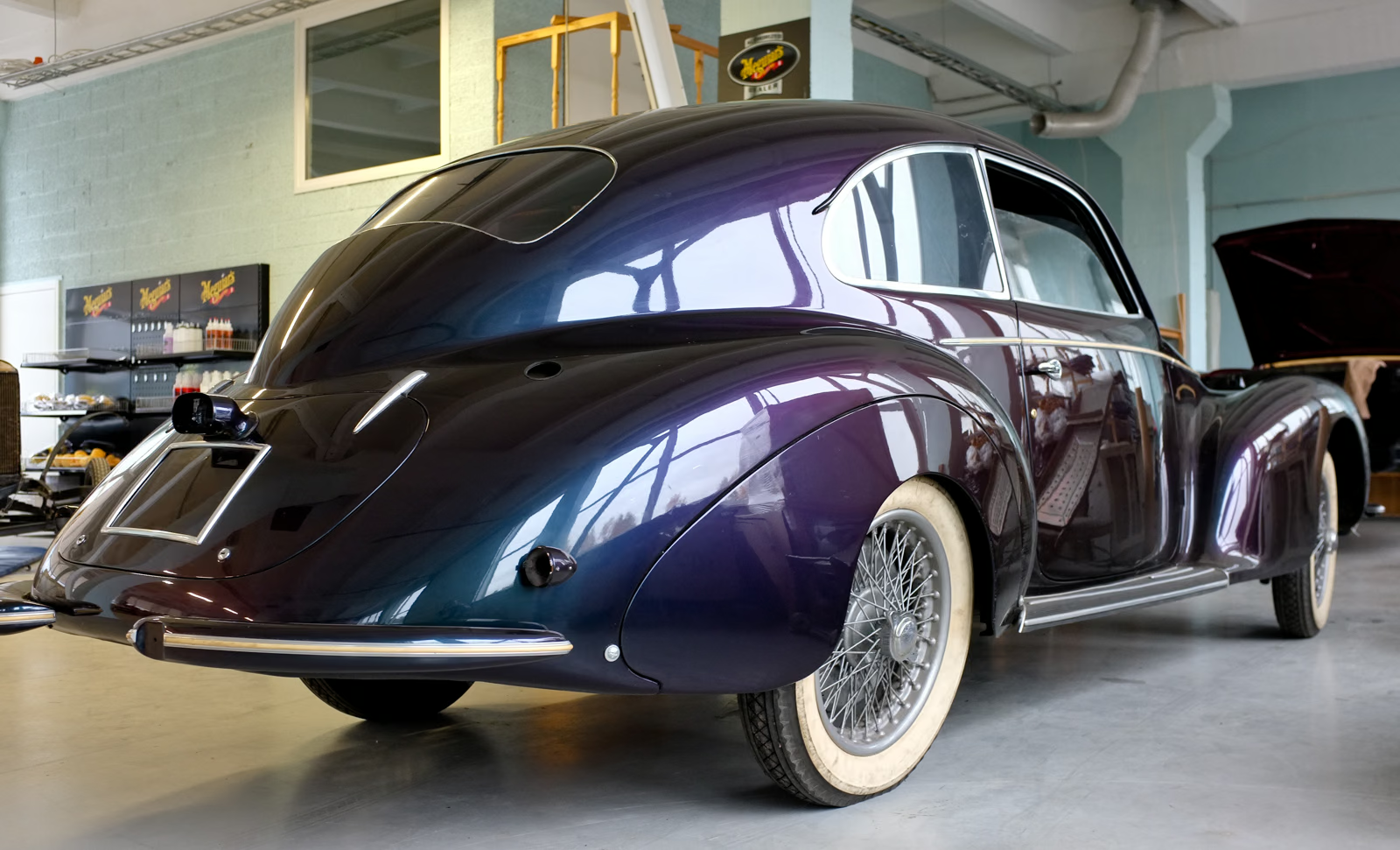
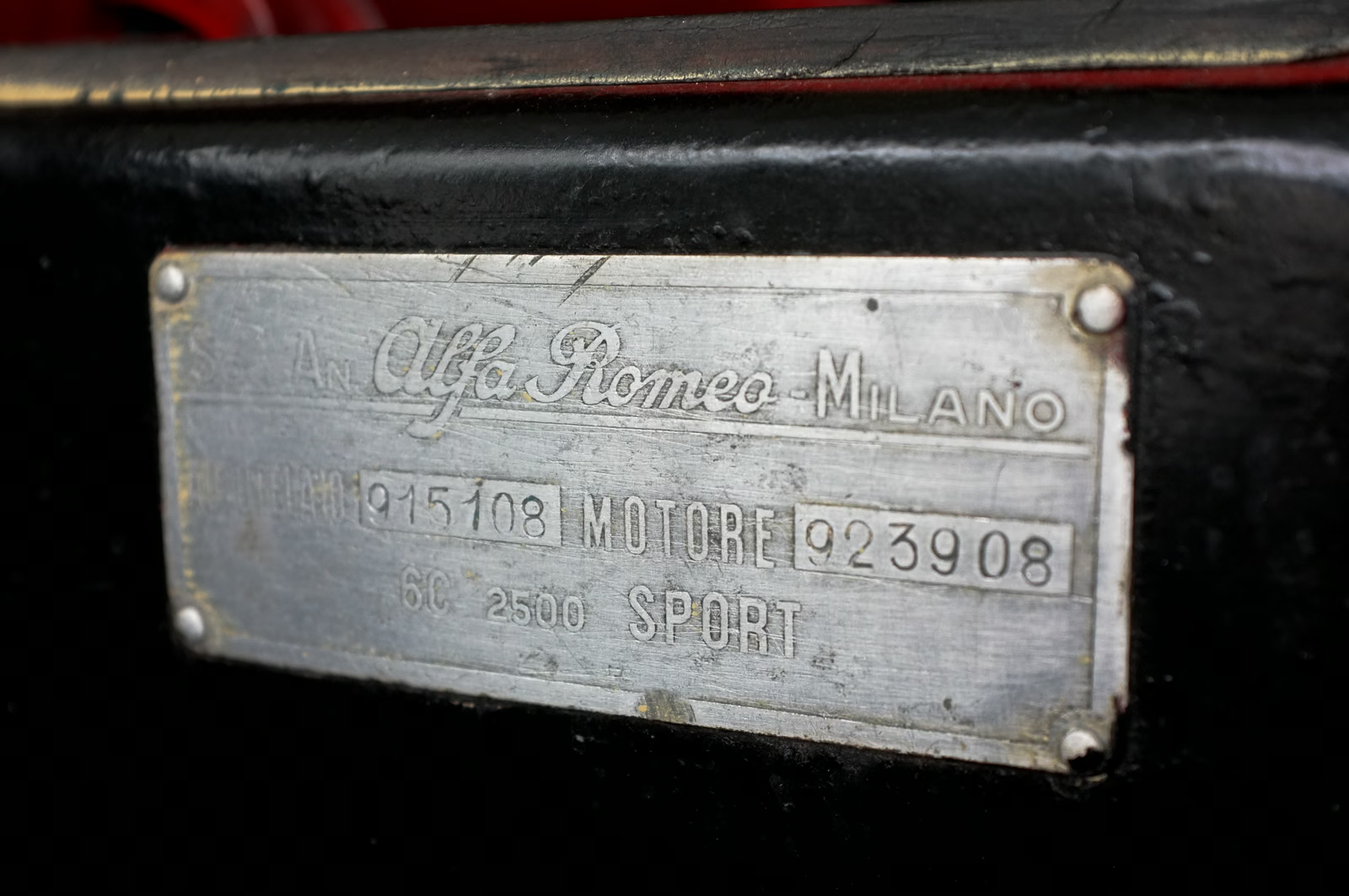
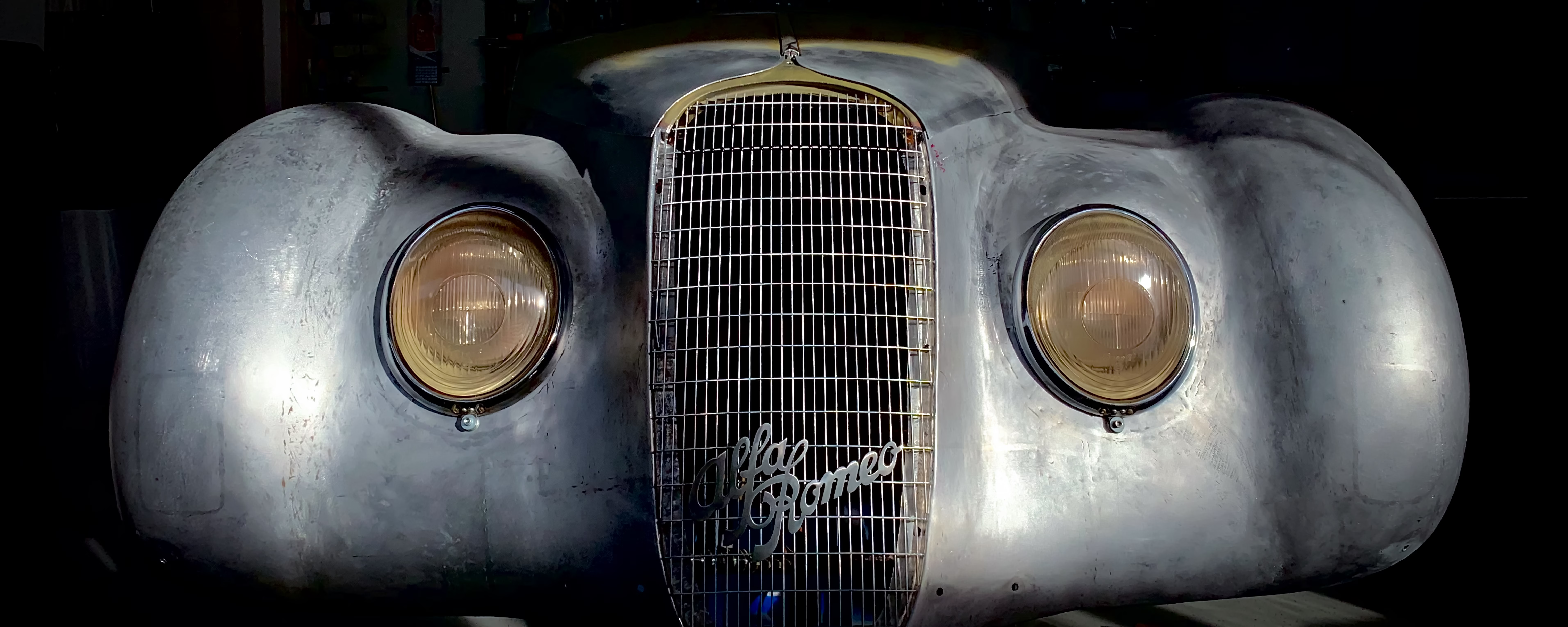
The Alfa Romeo 6C 2500 Touring Berlinetta (1938-1940) is one of the most celebrated pre-war Italian sports cars, renowned for its elegant Carrozzeria Touring Superleggera bodywork, advanced engineering, and exceptional craftsmanship. Built in very limited numbers, these rare grand touring automobiles represent the pinnacle of classic Alfa Romeo design and remain highly prized by collectors worldwide.
Restoring an Alfa Romeo 6C 2500 Touring Berlinetta requires extensive knowledge of original construction techniques, authentic materials, and period-correct mechanical components. Our restoration process is dedicated to preserving originality while returning each vehicle to concours-quality standards through meticulous metal fabrication, coach work restoration, engine rebuilding, chassis restoration, interior trimming, and authentic finishing.
This 1940 Alfa Romeo 6C 2500 Touring Berlinetta arrived a tour workshop more than seven years ago to begin an extensive, fully documented, authentic restoration. Since then, every chassis component, body panel, mechanical assembly, interior detail, and exterior element has been carefully dismantled, researched, documented, restored, and rebuilt to the highest historical standards.
With only seven known examples of this remarkable exact model remaining, this restoration represents a truly once-in-a-lifetime opportunity. Every stage of the project is guided by comprehensive originality research, period documentation, and meticulous craftsmanship to ensure the car is returned to its original factory specification. From the complicated restoration of the Superleggera body and chassis to the engine, drivetrain, interior, and paint finish, every component is treated with the respect and precision that such an exceptionally rare Alfa Romeo deserves.
Our goal is not simply to restore a classic automobile, but to preserve an irreplaceable piece of Italian automotive history for future generations.
Whether your Alfa Romeo is destined for prestigious concours events, historic rallies, or a private collection, we provide historically accurate restorations that honor the craftsmanship and heritage of these extraordinary automobiles.
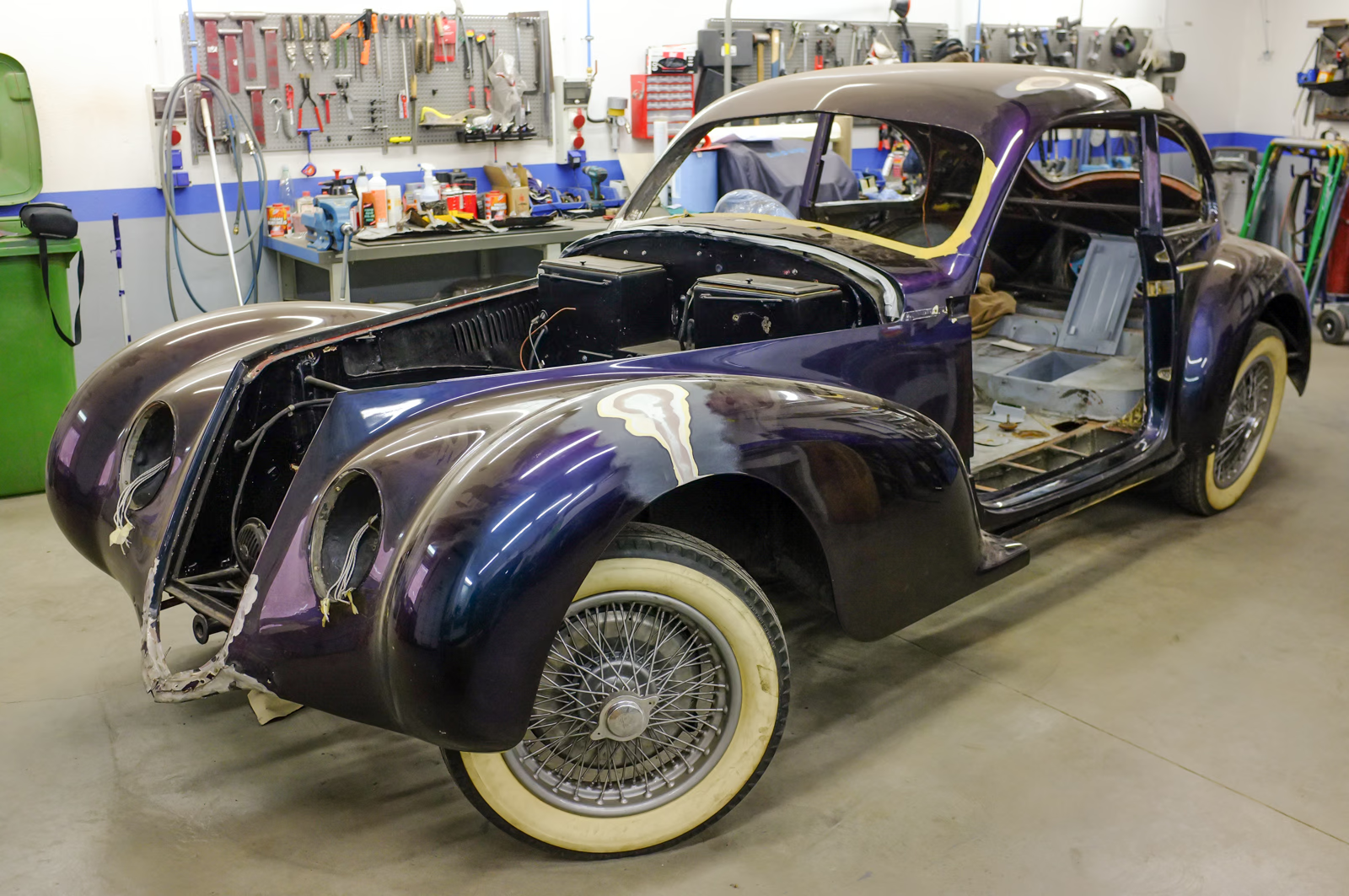
Once the research and initial inspection are complete, every aspect of the vehicle is thoroughly documented before disassembly begins. Each component is photographed, catalogued, and recorded, creating a detailed restoration archive that serves as a reference throughout the entire project. Only after this meticulous documentation process do we begin the careful disassembly of the vehicle, ensuring that every original part can be accurately restored, preserved, or reproduced where necessary.
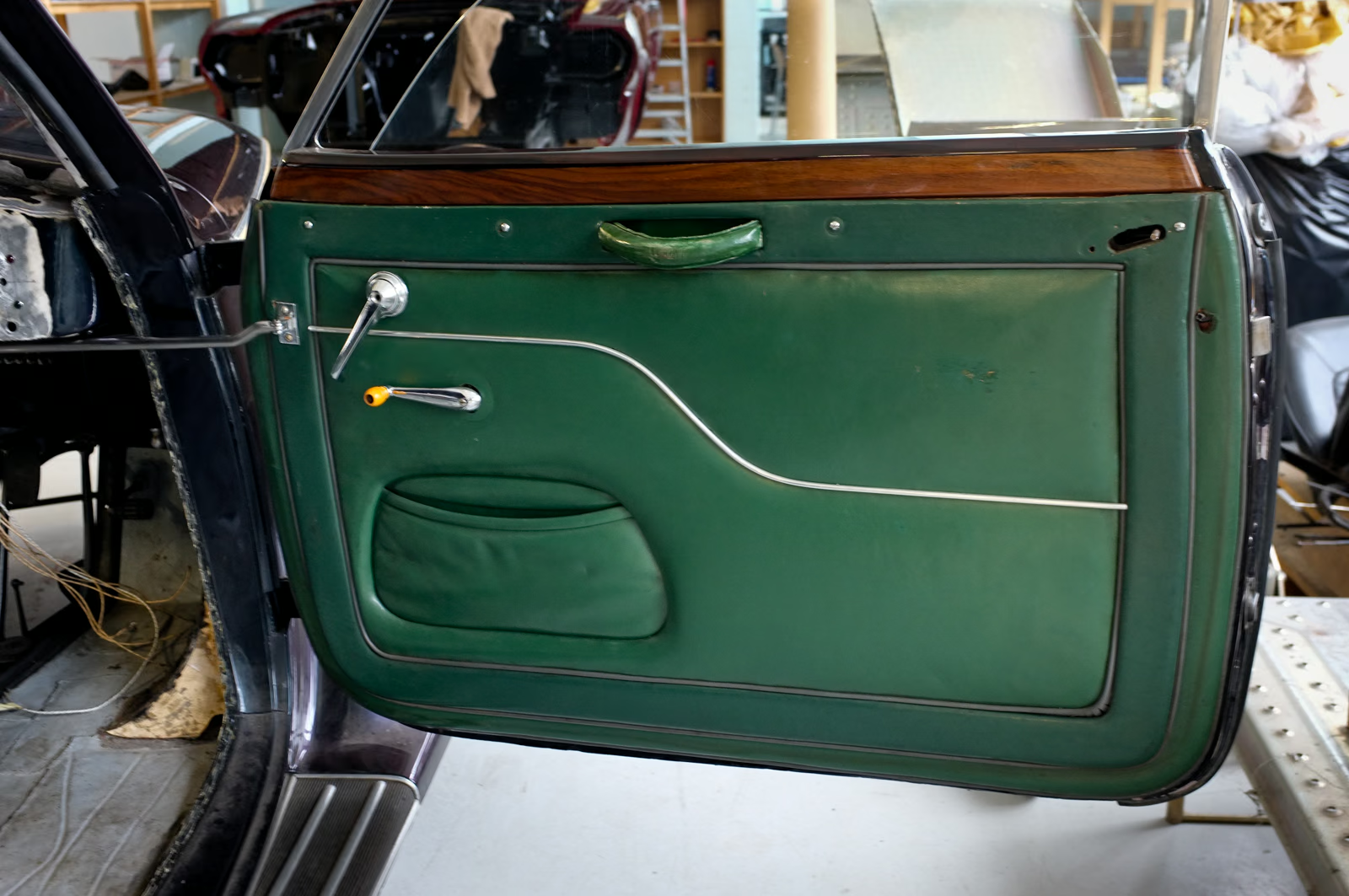
One of the most remarkable aspects of this project was the car's exceptional level of completeness. Despite its age and complex history, it retained virtually all of its original components, with only a few minor interior items missing. This extraordinary level of originality provided an ideal basis for a meticulous, historically accurate restoration.
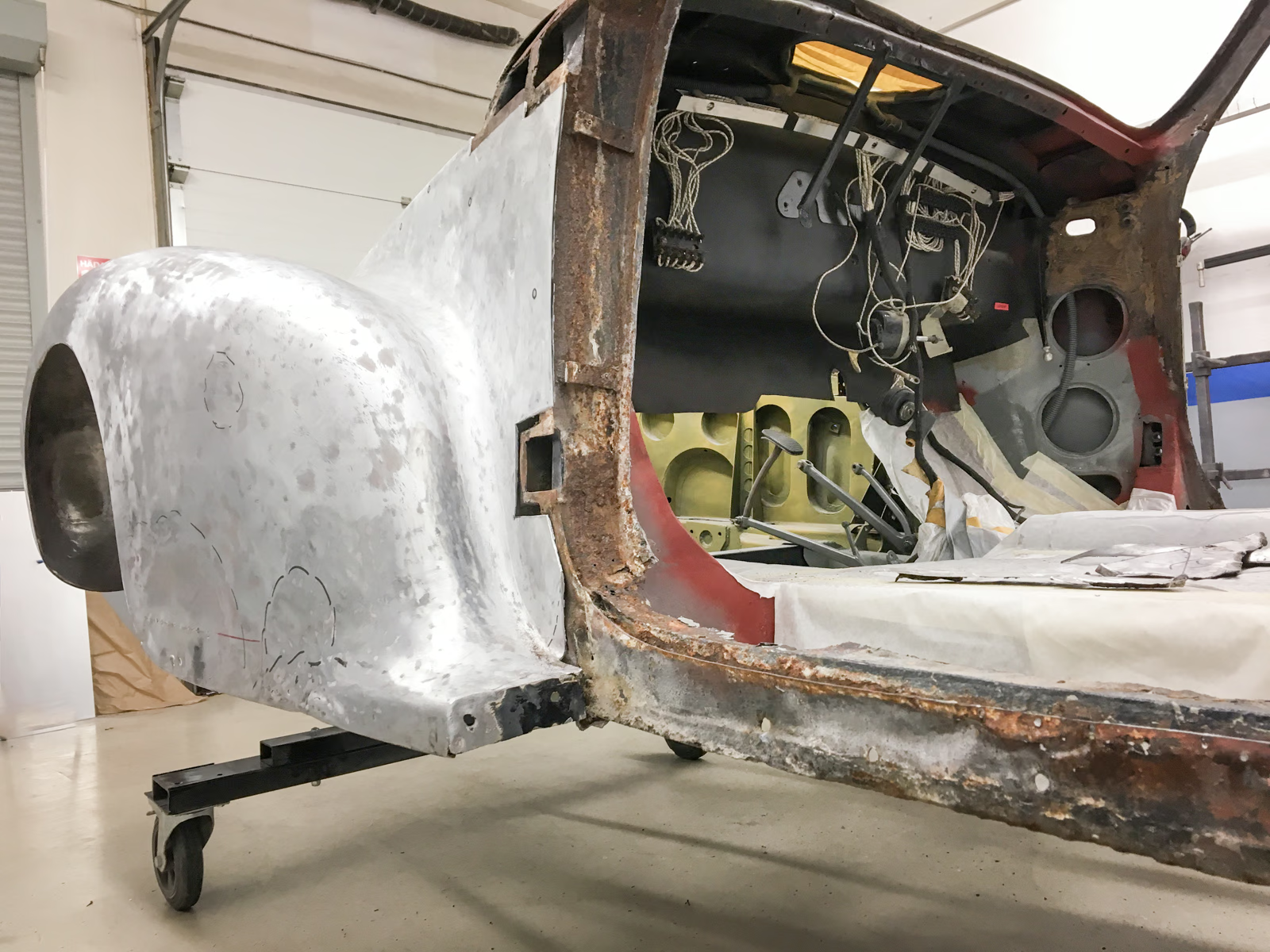
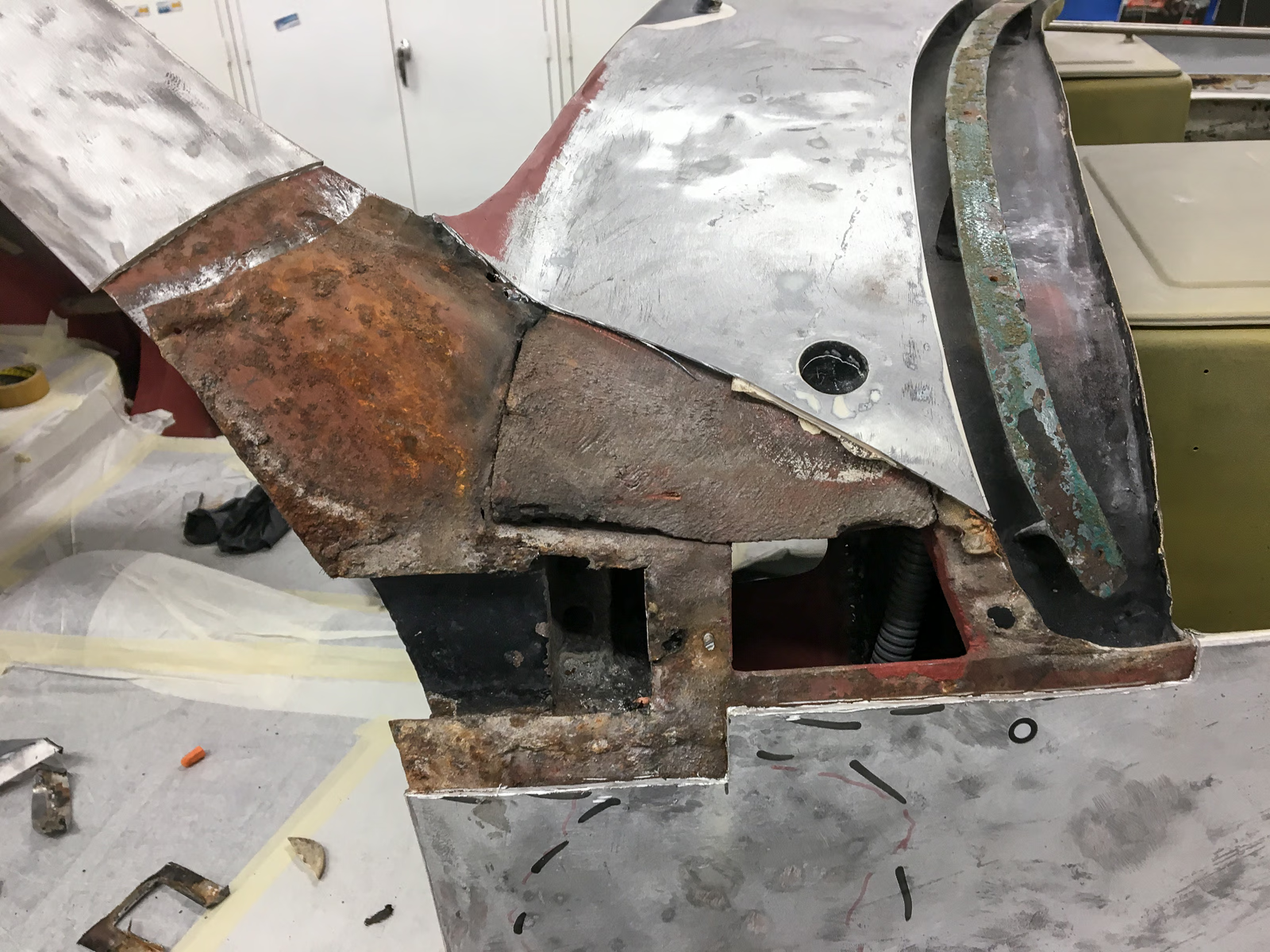
Although this Alfa Romeo 6C 2500 had survived in relatively good overall condition, decades of repairs and modifications had significantly altered its original structure. During its history, the car spent time in Kharkiv under the ownership of an renowned aeronautical engineer, whose extensive structural alterations departed considerably from the factory design.
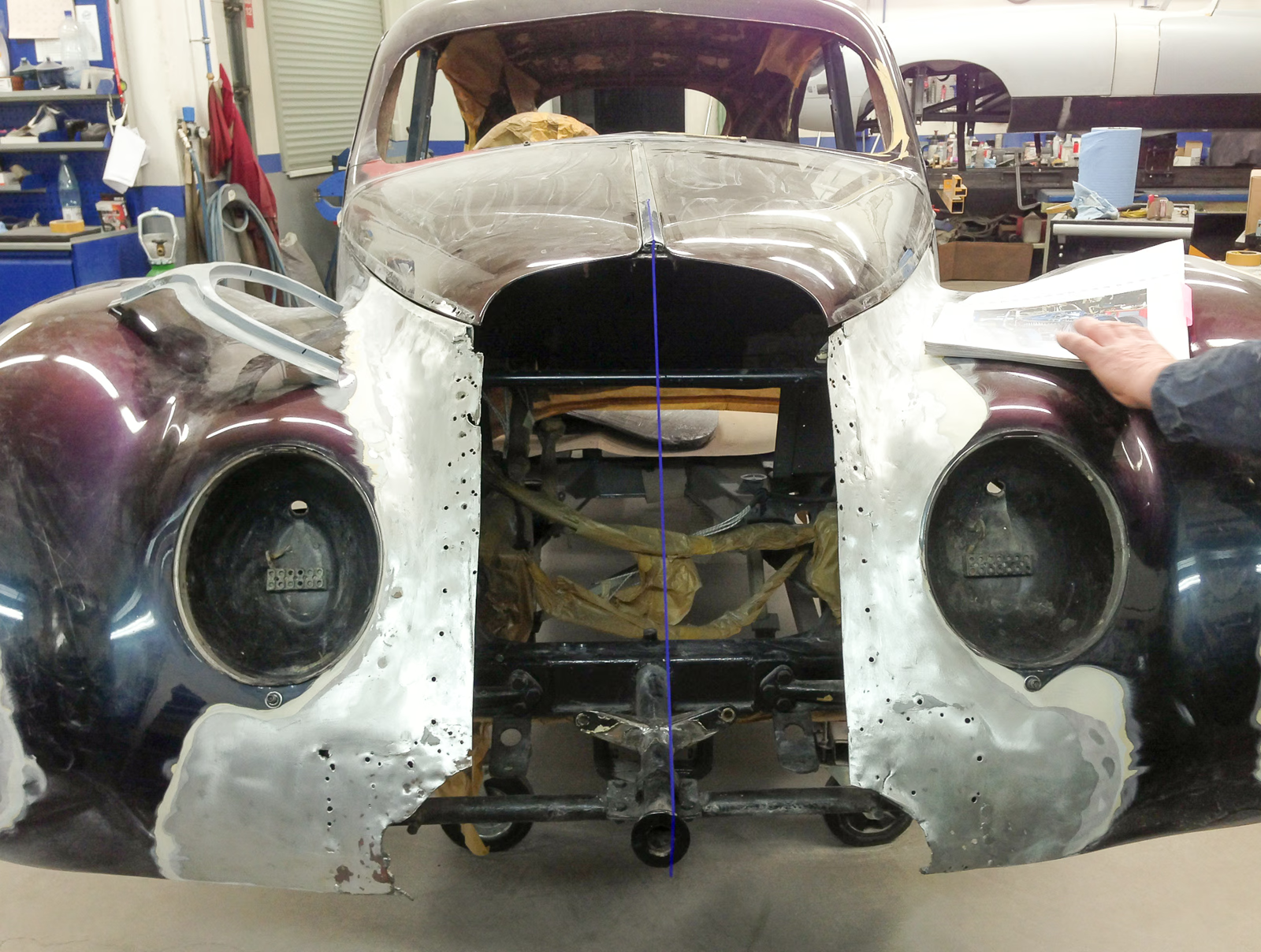
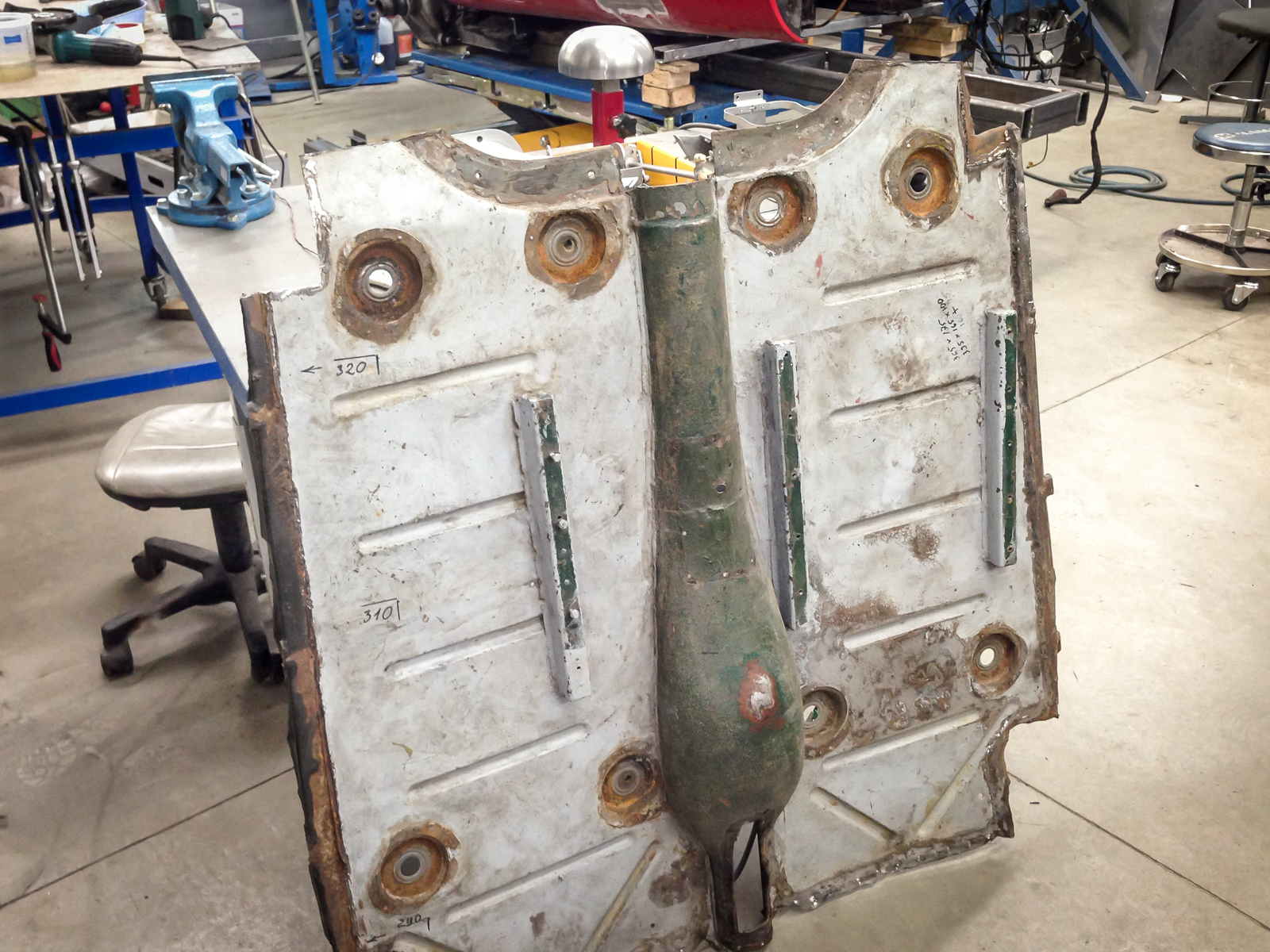
Numerous non-original aluminium components had been fabricated and installed throughout the body by him. Most critically, the original structural mounting points between the body and chassis had been removed, with sections of the body welded directly to the frame – possibly to cope with rough roads of Ukraine these days. In addition, the front suspension crossmember mounting structure had suffered significant damage, compromising both the integrity and geometry of the chassis.
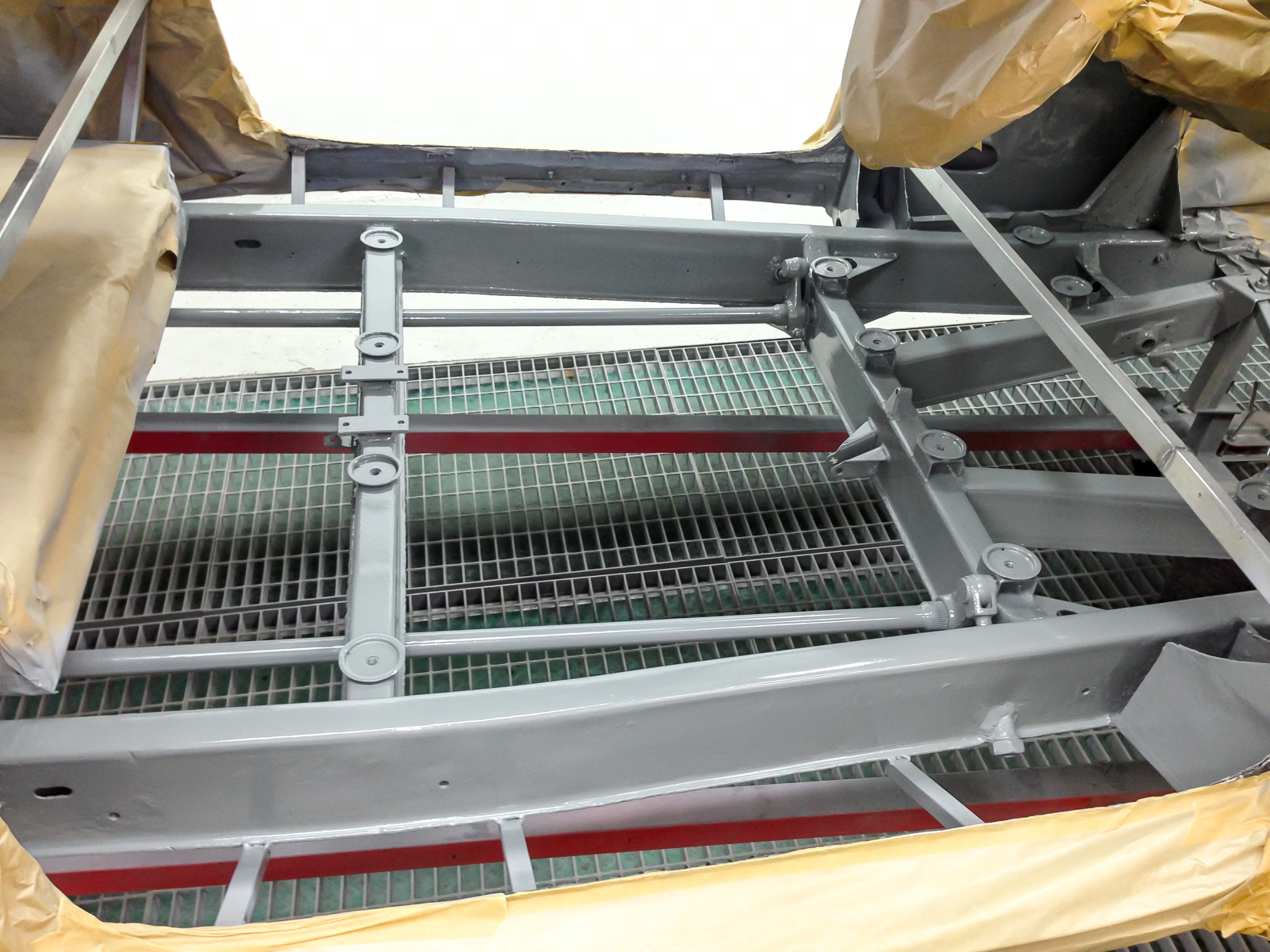
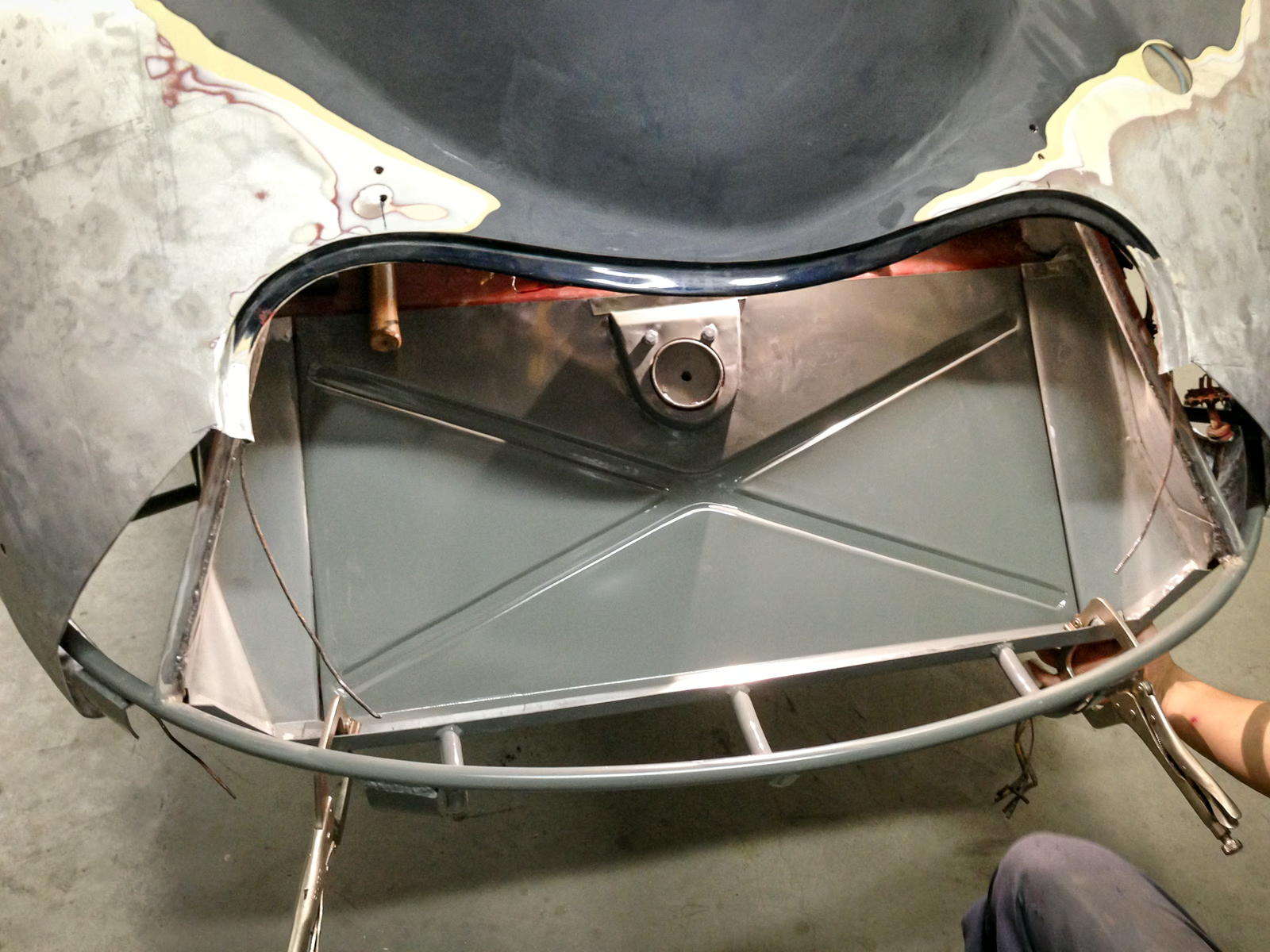
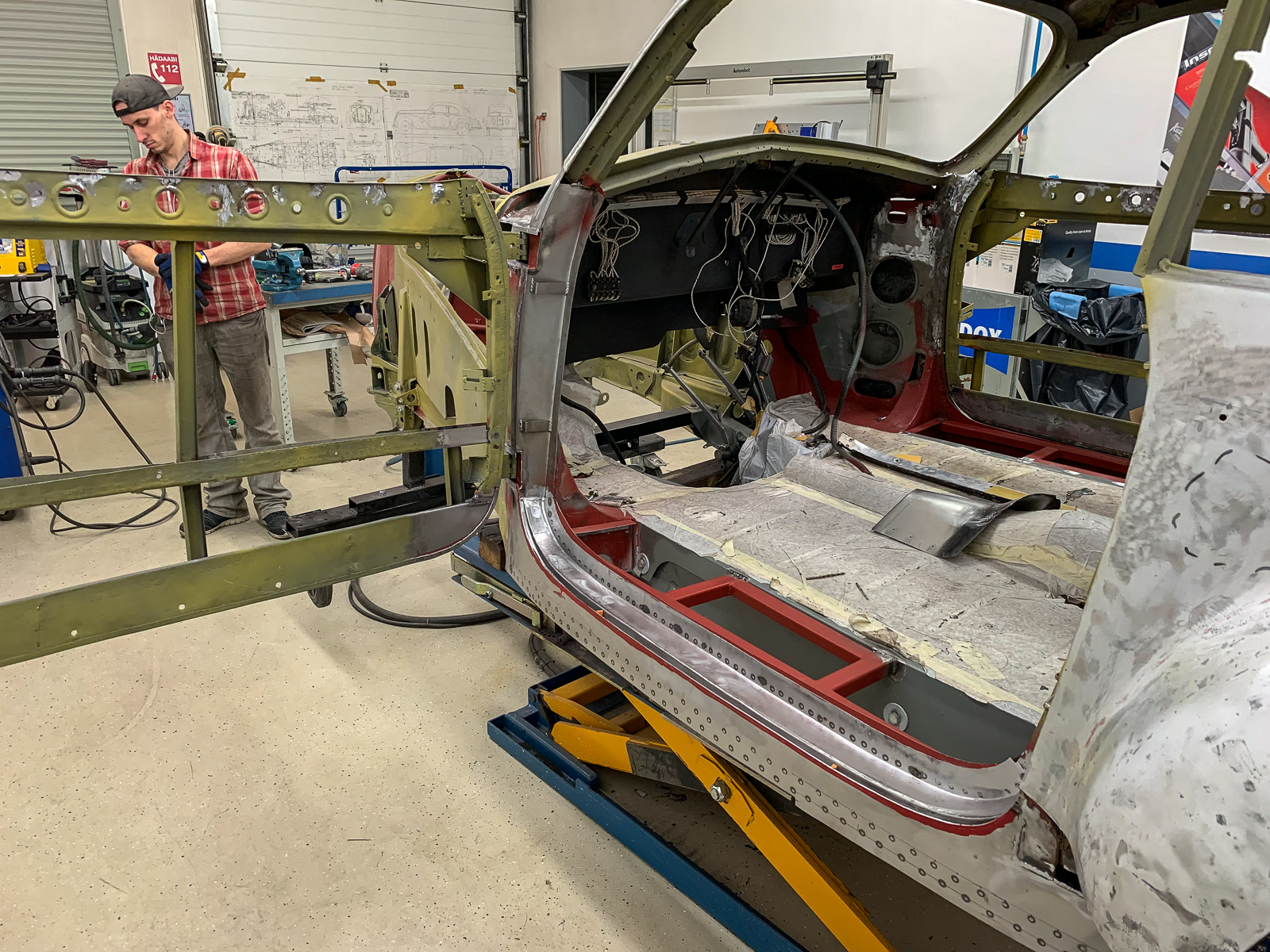
The first stage of the restoration focused on reversing these modifications. Every non-original structural addition was carefully removed, allowing us to reveal and reconstruct the original floor structure, body framework, and factory body-to-chassis mounting system. Guided by detailed originality research and period documentation, each structural element was restored to its original specification, providing the correct foundation for every subsequent phase of the restoration.
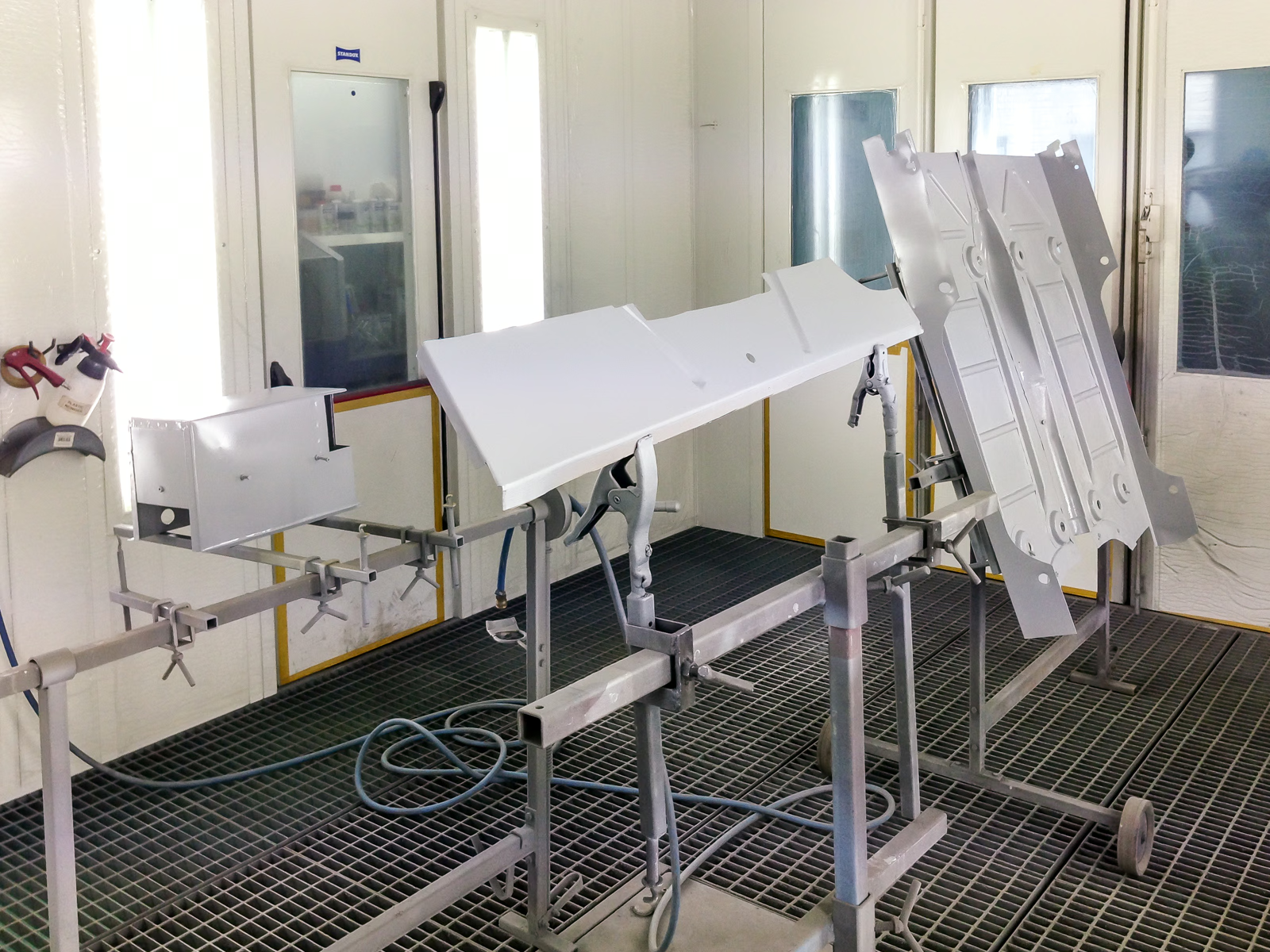
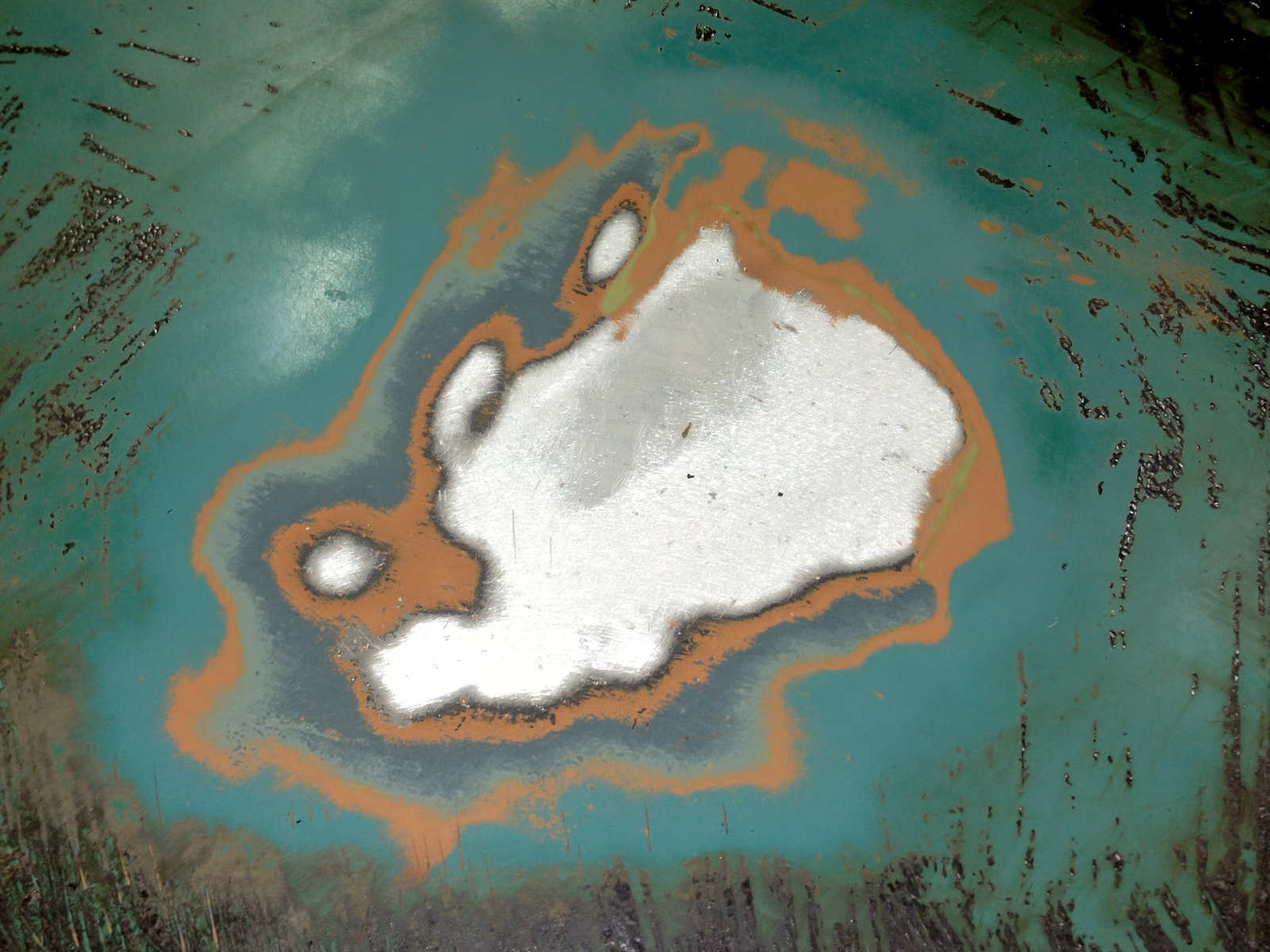
Every repaired and newly fabricated structural component was trial-fitted, precisely aligned, and permanently welded into place before receiving a comprehensive corrosion protection treatment. To ensure long-term preservation and durability, all restored metal surfaces were coated withpremium Standox paint-system primers, utilizing advanced German paint technology renowned for its exceptional adhesion, corrosion resistance, and long-term stability.
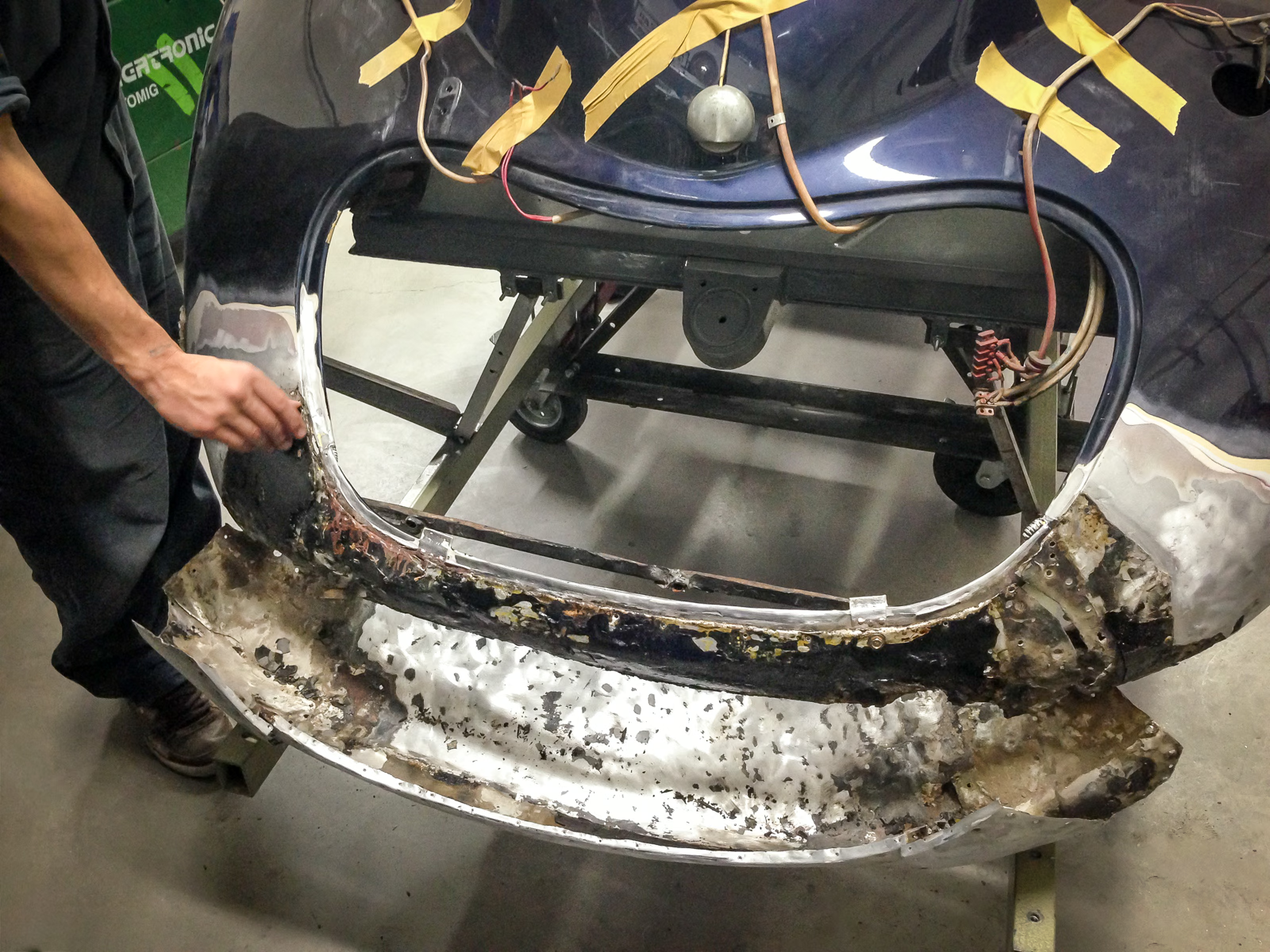
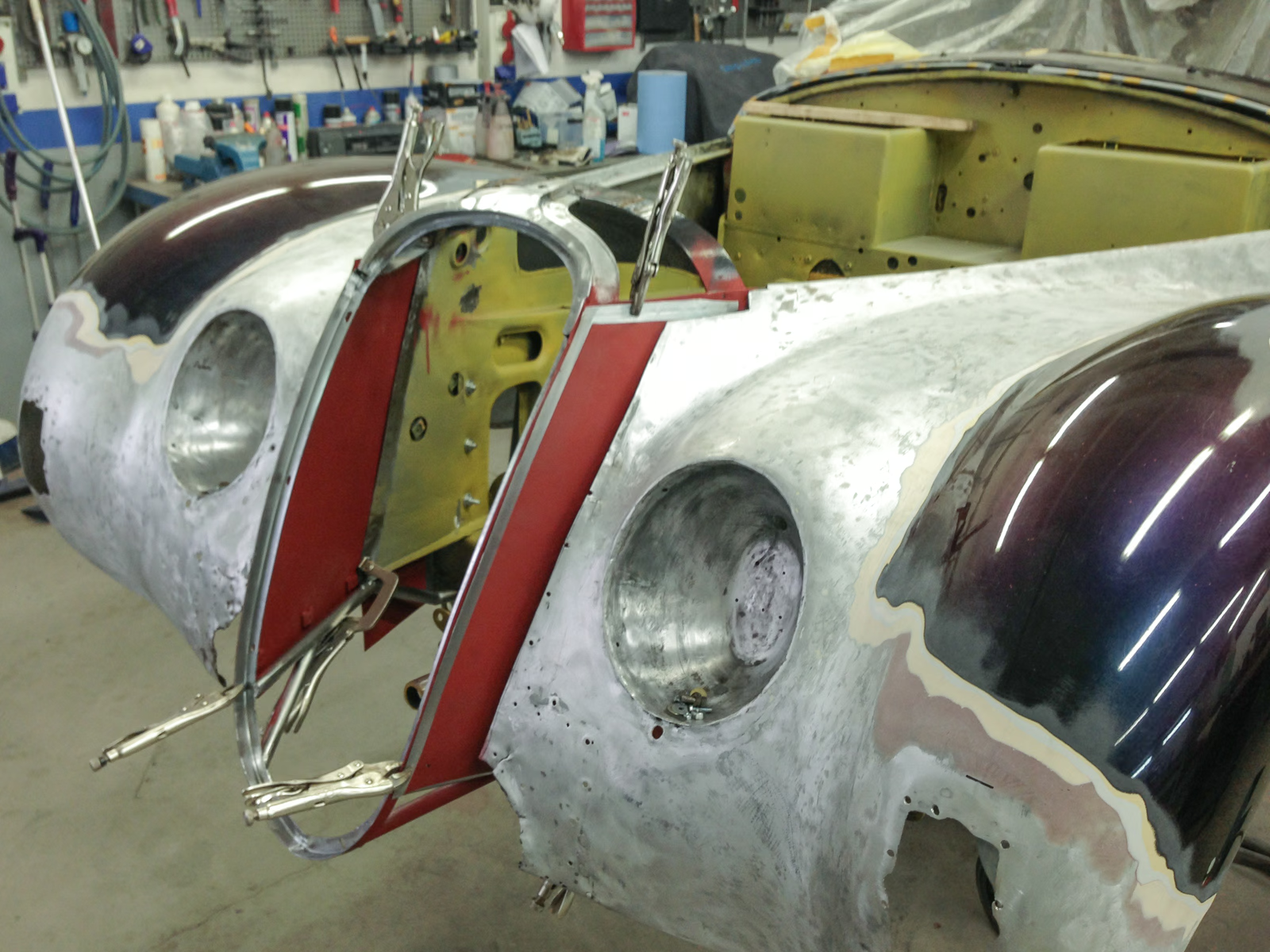
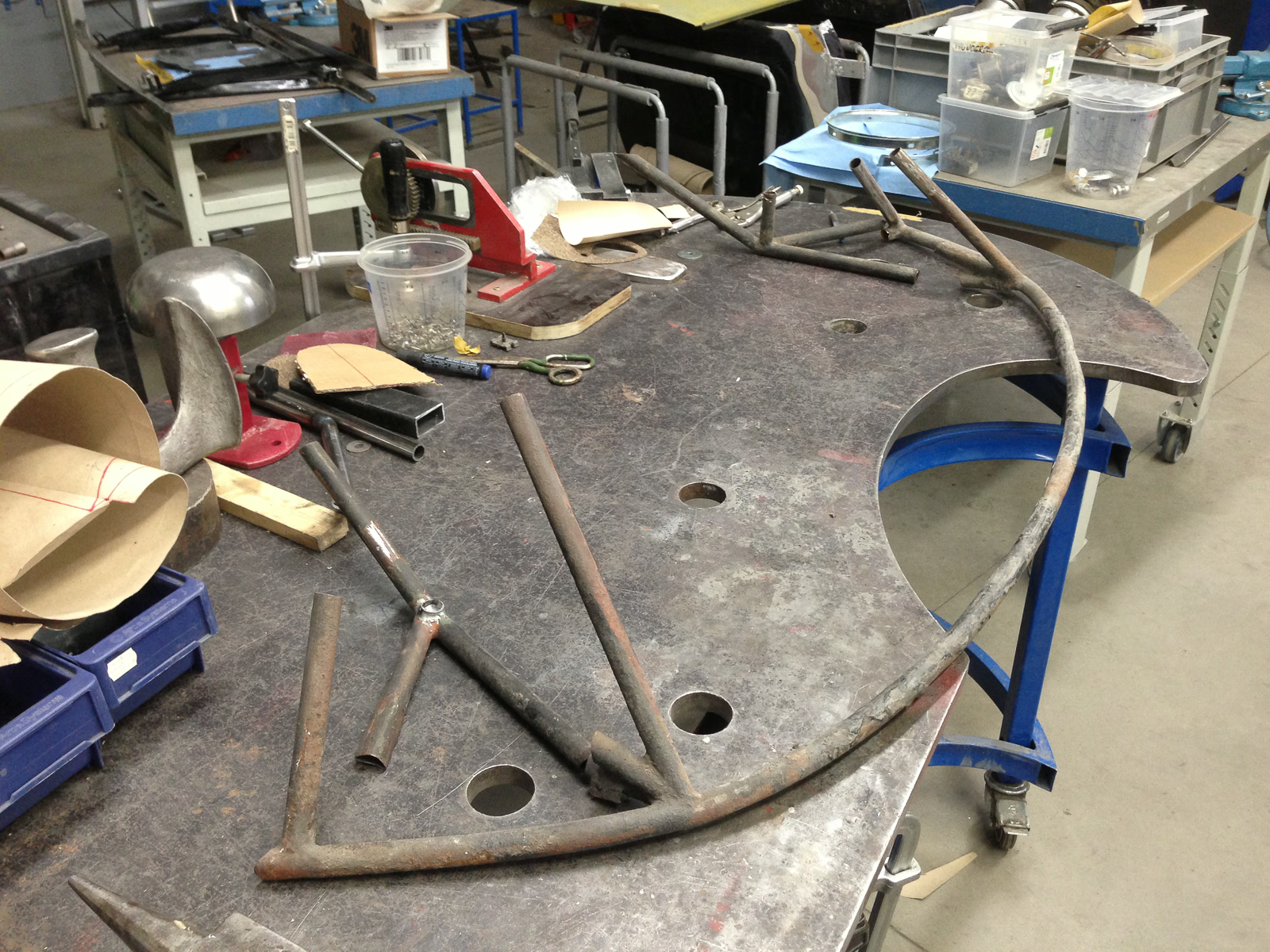
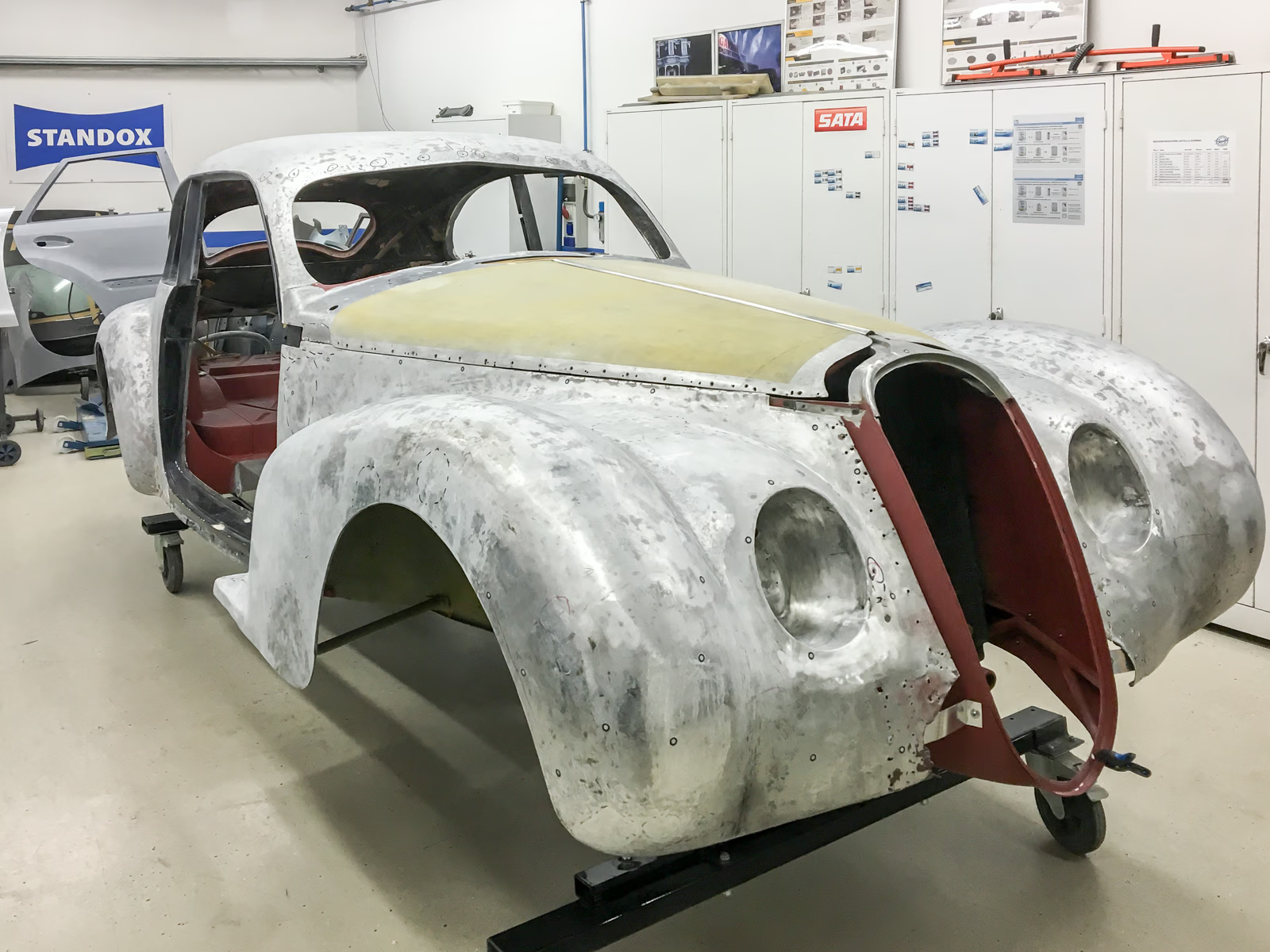
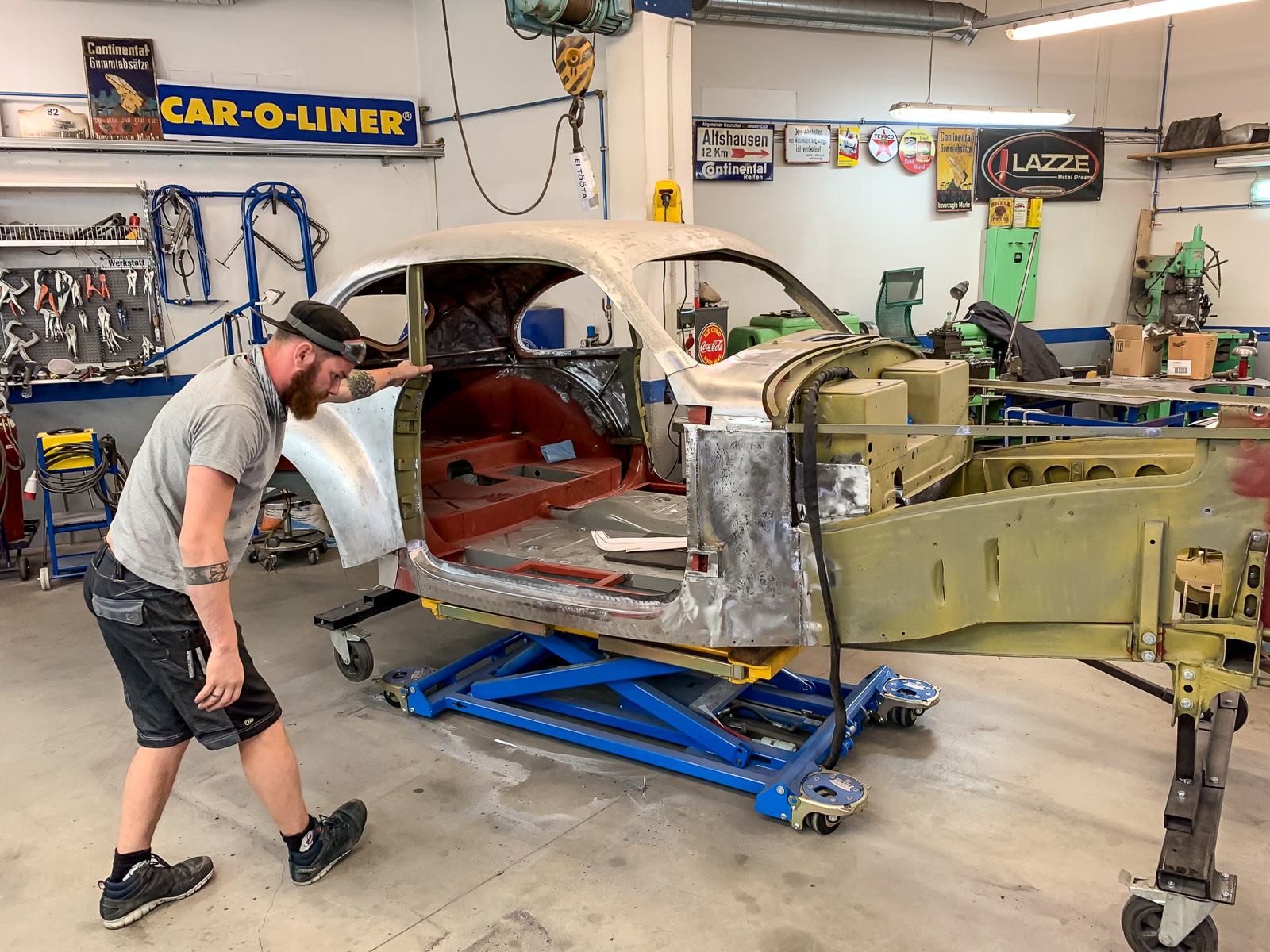
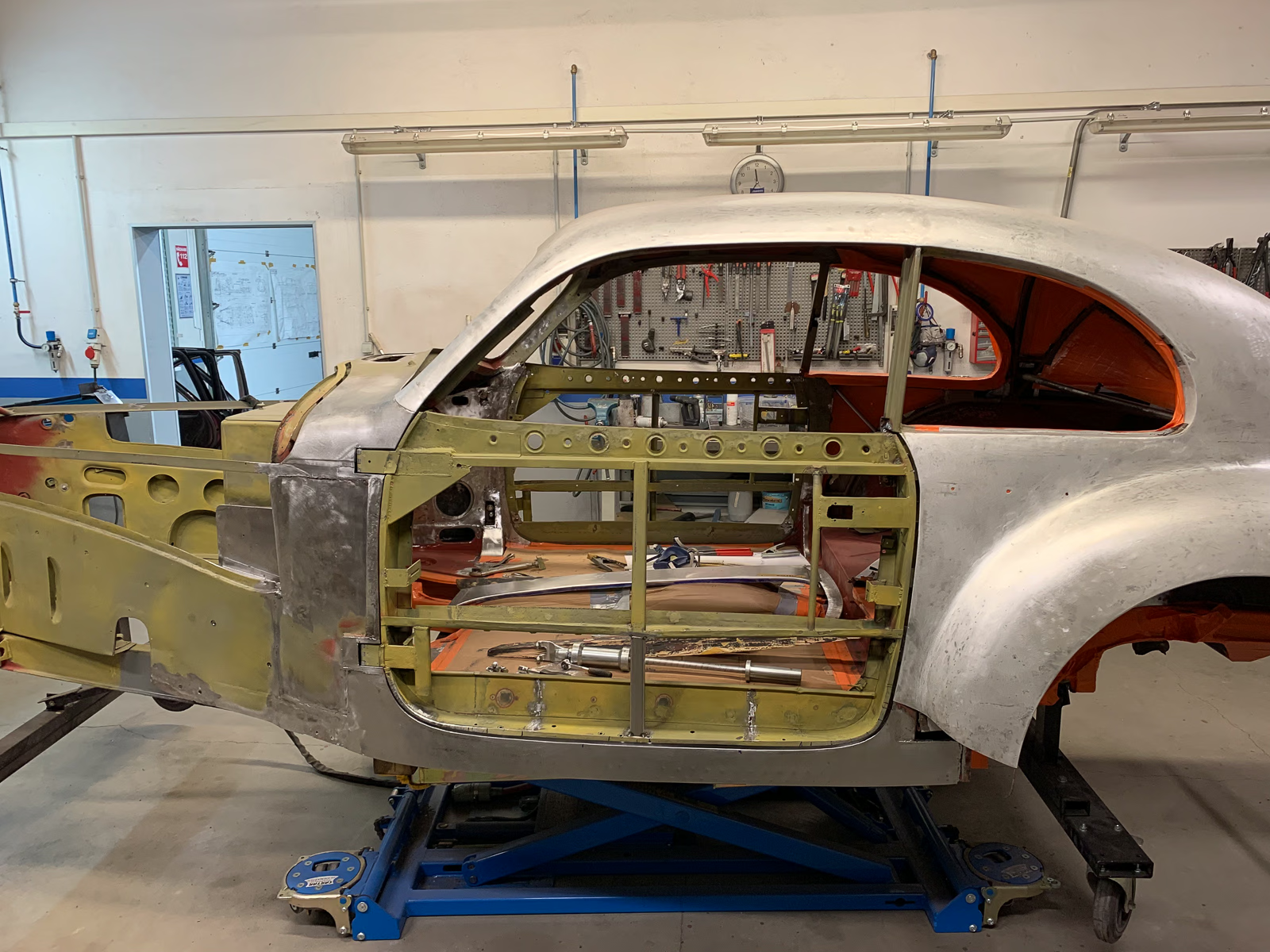
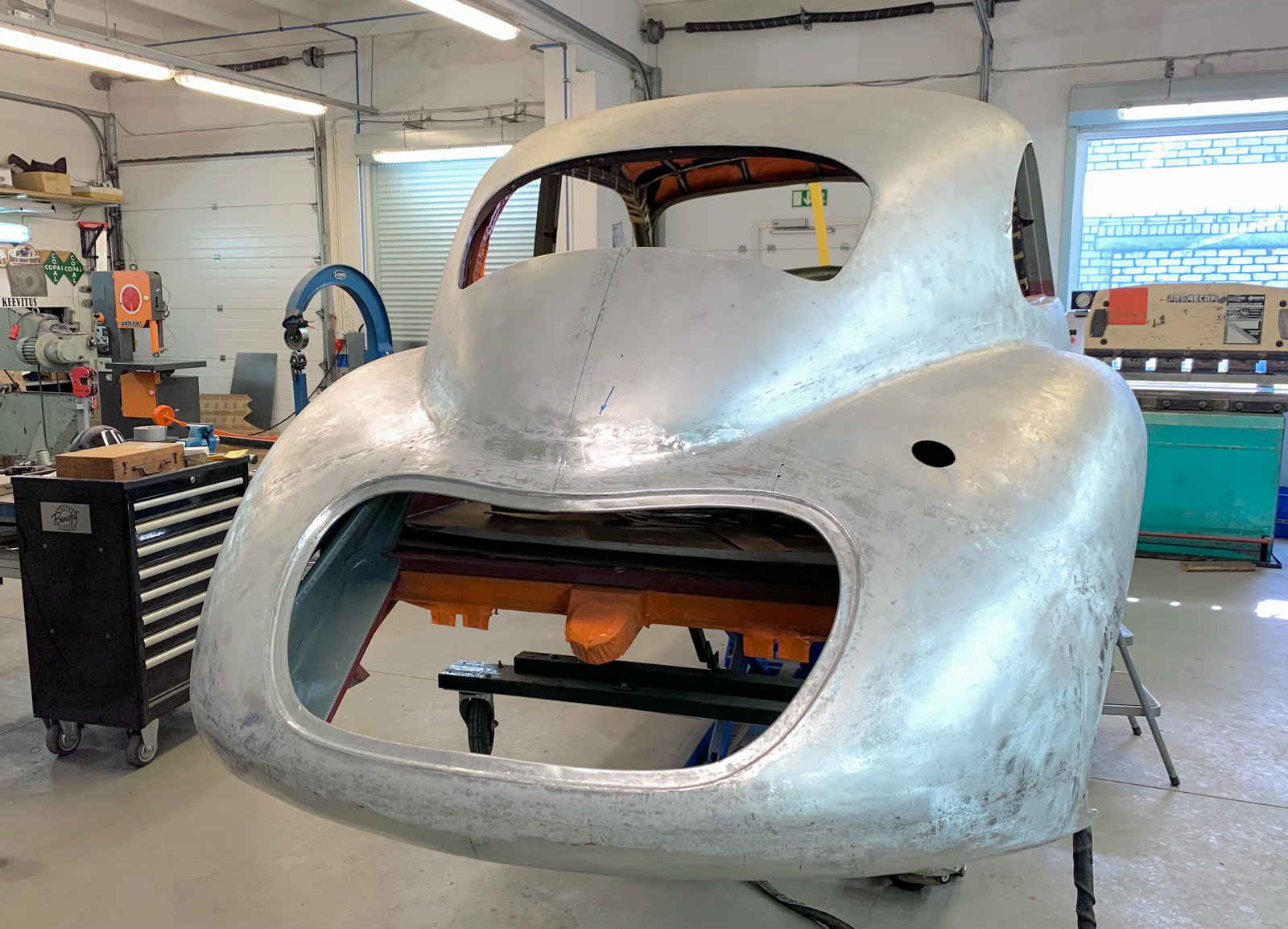
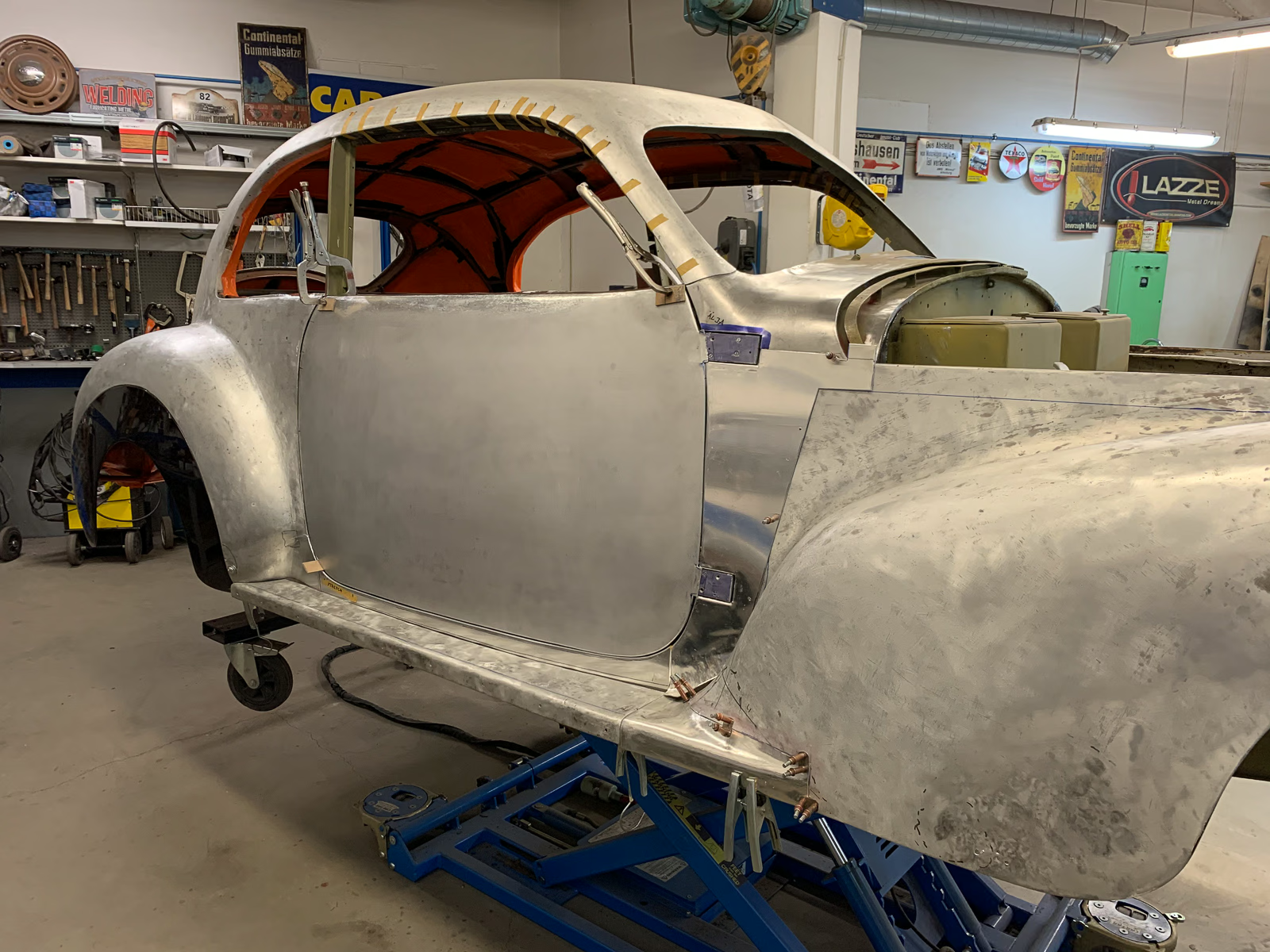
Once the structural foundation of the car had been restored and the body geometry accurately re-established, we turned our attention to the elegant Carrozzeria Touring Superleggera aluminium coachwork - complex structure of small diameter tubing, covered with duralum panels. This phasedemanded the highest level of craftsmanship, as many of the original bodypanels had suffered extensive accident damage and could not be preserved. Notso many companies can restore Superleggera bodies…
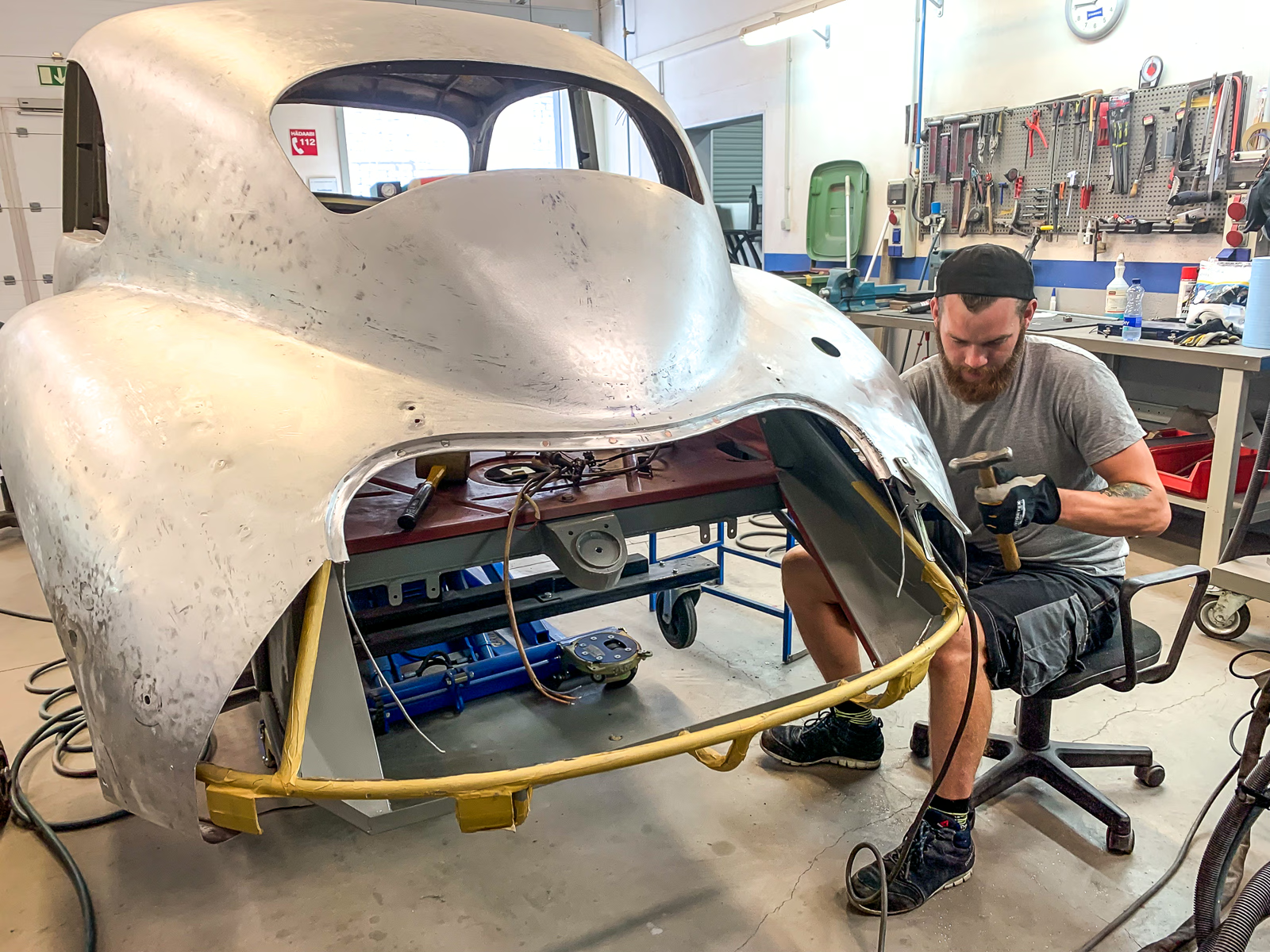
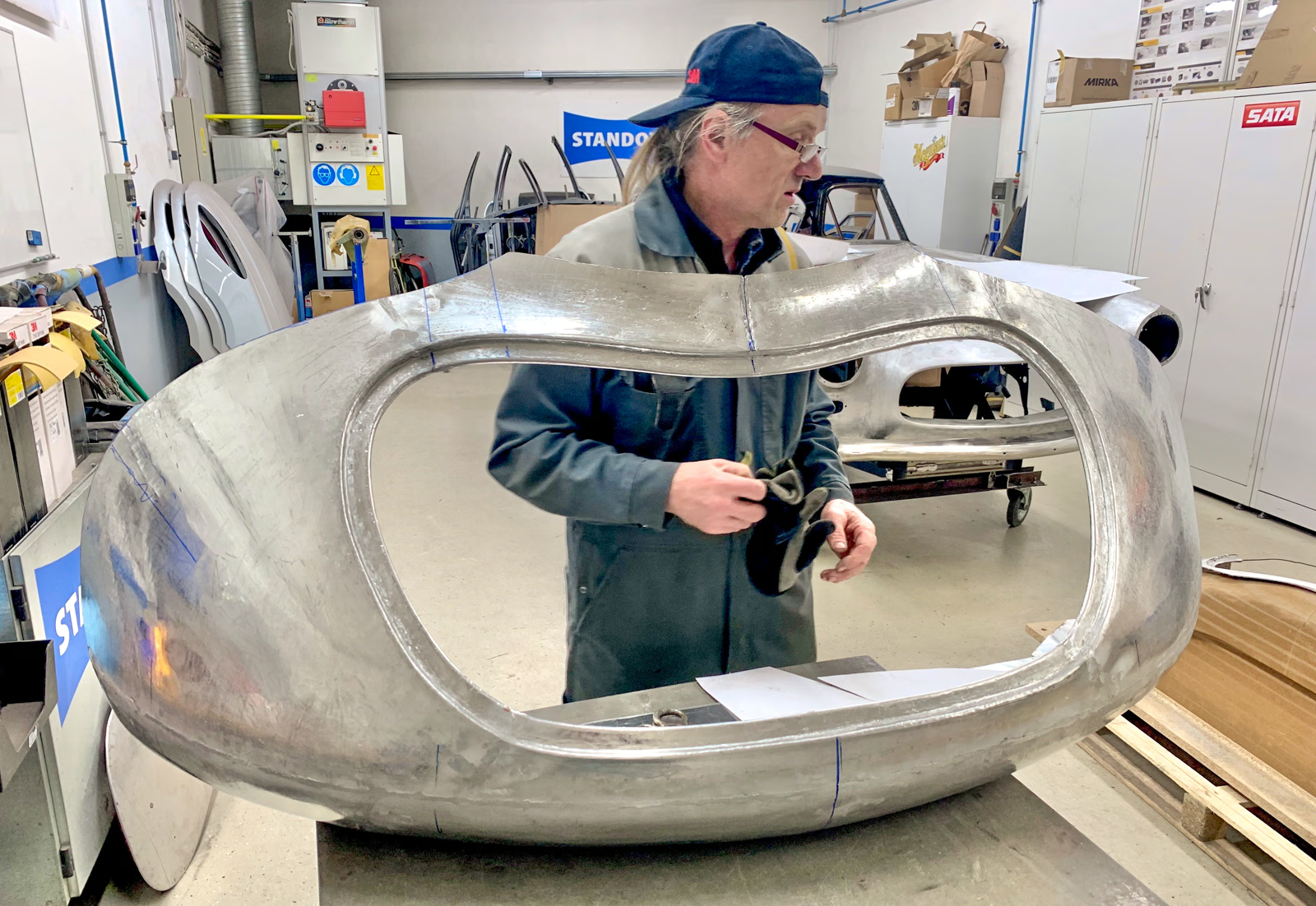
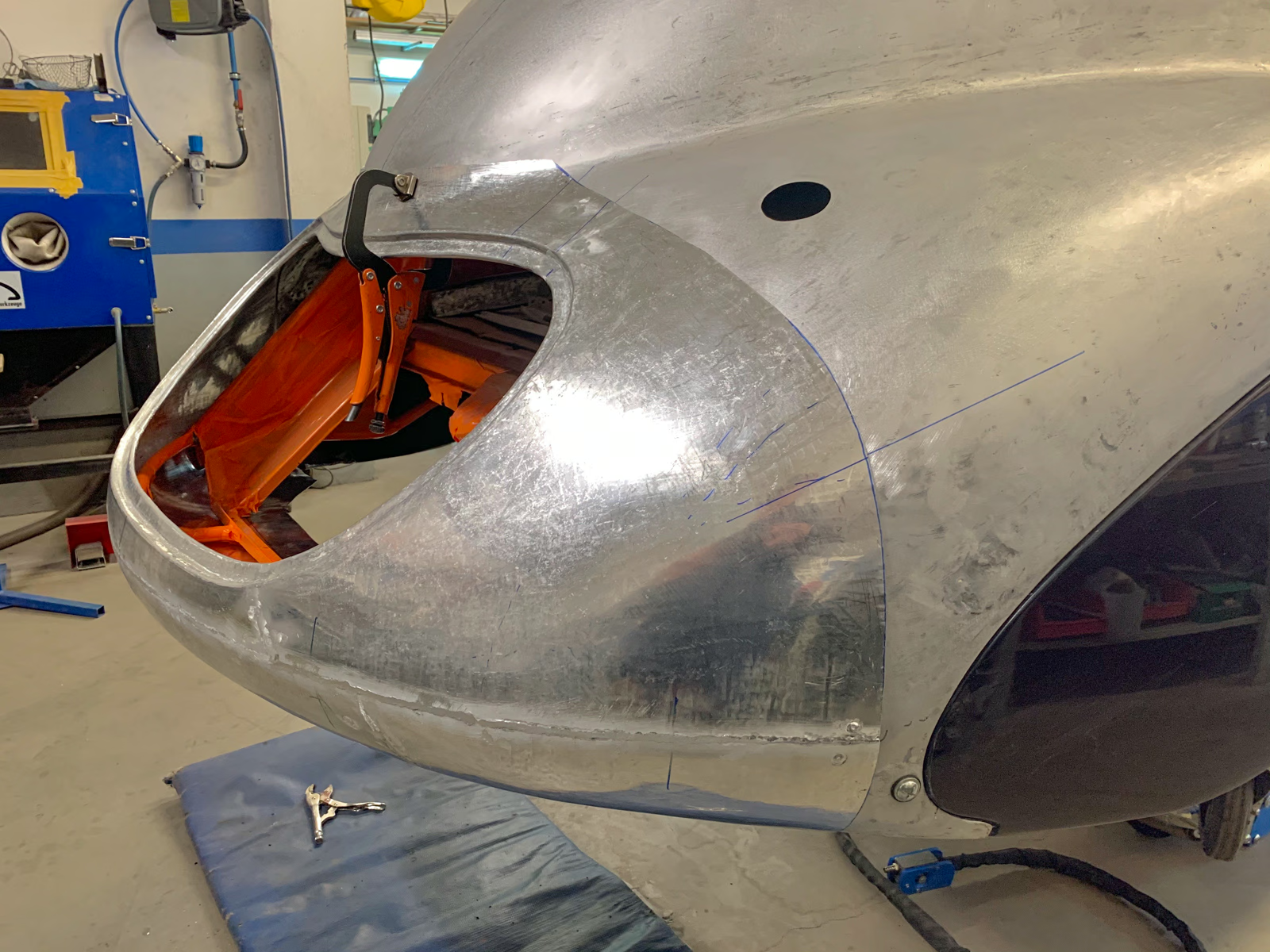
A completely new rear body section and boot lid were fabricated by hand to replace the irreparably damaged originals. New outer door skins, running boards, and sections of both the front and rear wings were also fabricated from scratch, faithfully reproducing the original Touring construction techniques.
To ensure absolute dimensional accuracy, the body was digitally scanned internally and externally, using advanced 3D technology. The resulting CAD data was used to manufacture a full-size MDF body buck, providing the precise form required to recreate the complex rear body contours.
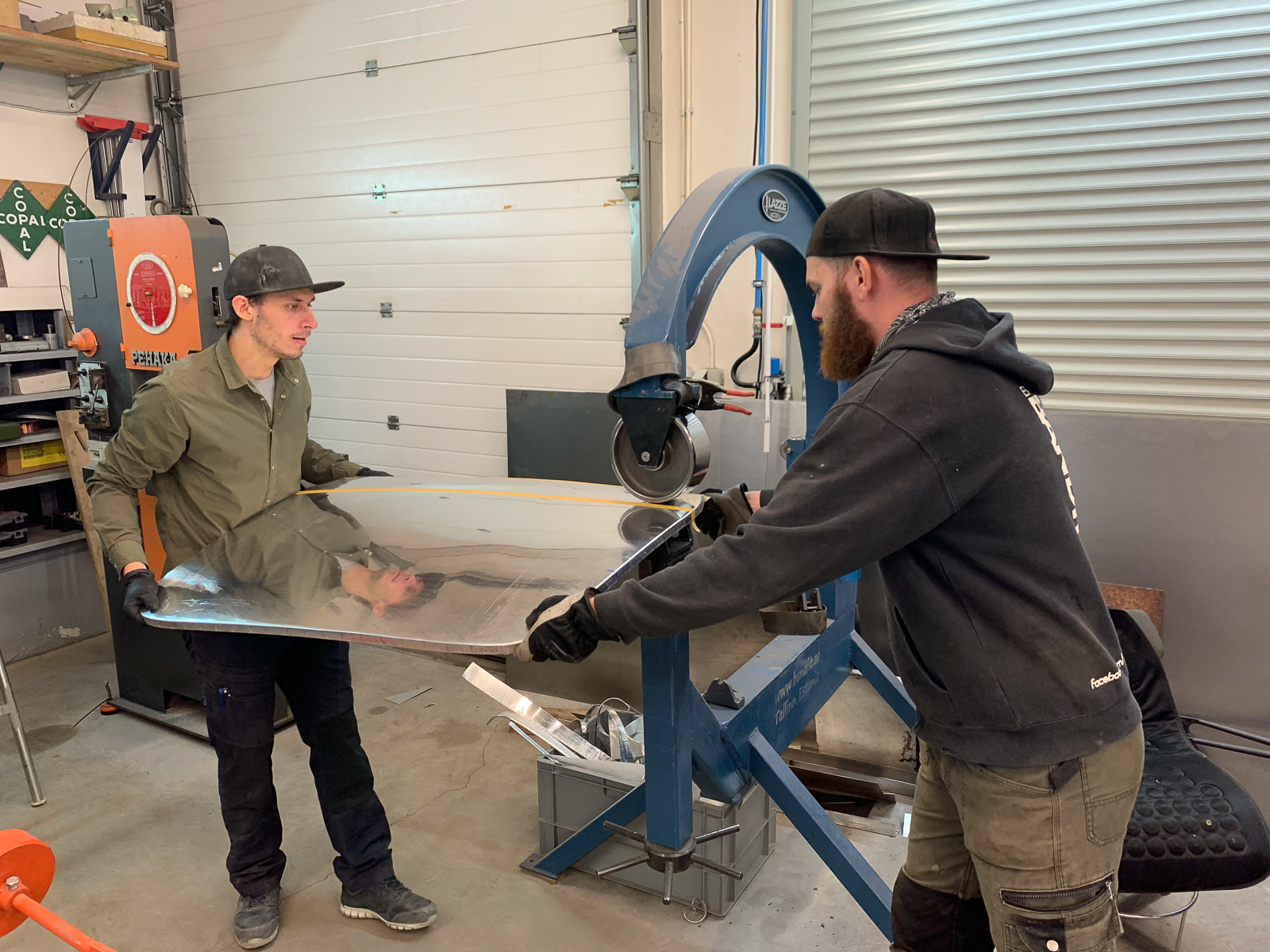
Working entirely by hand, our master coachbuilder shaped each aluminium panel using traditional techniques before joining them with TIG and gas welding, just as appropriate for this type of restoration. Every weld was then meticulously planished and refined using the English wheel and hand tools, until the newly fabricated panels blended seamlessly with the surviving original bodywork. The finished result is virtually indistinguishable from the factory-built coachwork, preserving both the authenticity and elegant lines of this exceptionally rare Alfa Romeo. The restoration of the aluminium body alone required more than 1,500 hours of highly skilled craftsmanship.